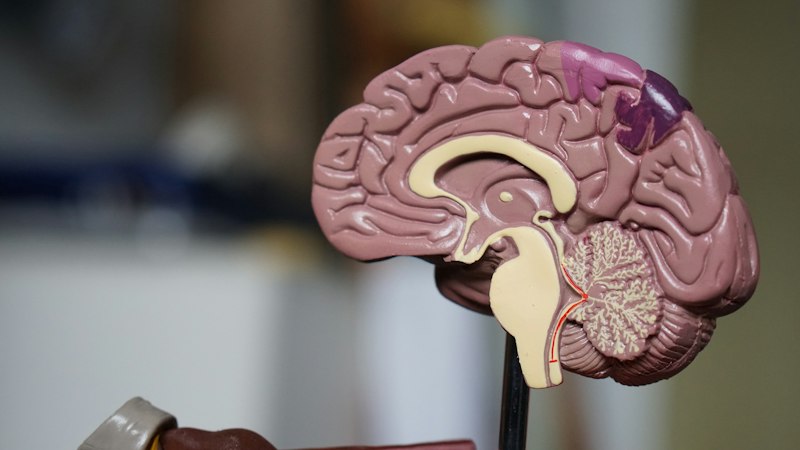
The wellness industry has found its latest goldmine: cognitive decline. Every week brings a new headline about memory strategies, brain-boosting supplements, or lifestyle tweaks that promise to keep your mind young. The consensus is clear and comfortable: aging brains need maintenance, like a car that requires regular oil changes.
But here's what bothers me about this framing. We've become so focused on individual cognitive performance that we've stopped asking harder questions about why dementia and cognitive decline are accelerating in the first place.
The obvious narrative goes like this: Exercise your brain. Eat Mediterranean food. Sleep eight hours. Take your omega-3s. These aren't bad ideas, and research does support many of them. But they've become the entire conversation, the full scope of what we discuss when we talk about aging and the mind. It's a framework that lets everyone feel productive while potentially missing the actual problem.
Consider what we're not talking about as loudly. We're not discussing why someone's cognitive health might deteriorate despite doing everything "right." We're not examining environmental factors at scale. We're not grappling with the economics of aging or why cognitive decline correlates with social isolation in ways that individual brain-training apps cannot possibly address. We're certainly not questioning why the wellness industry profits from positioning aging itself as a disease to be managed through consumption.
The recent scientific conversation has started touching on unexpected risk factors that have nothing to do with genetics or individual behavior. When researchers identify novel contributors to cognitive decline, it should prompt us to ask: What else are we missing while we're focused on optimizing individual brains?
Here's what concerns me most: This wellness-first approach to cognitive aging puts the burden entirely on the individual. It's the same logic that tells you heart disease is about your exercise routine, ignoring air quality and food deserts. It's seductive because it offers control. You can do something. You can take the supplement, do the crossword puzzle, join the yoga class.
But control is sometimes an illusion that prevents us from addressing systemic issues.
The real questions worth asking are uncomfortable ones. Why are we seeing earlier cognitive decline in some populations? What role do stress, inequality, and social disconnection play? Are we measuring cognitive health in ways that actually reflect human flourishing, or are we measuring it in ways that sell products?
I'm not arguing against the value of maintaining cognitive engagement or physical health as we age. Those things matter. But I am arguing that we should be skeptical of a wellness consensus that turns aging into a personal optimization project while leaving bigger structural questions unexamined.
The problem with the "stay sharp" narrative is that it's profitable and it feels actionable, which means it dominates the conversation. Meanwhile, we underinvest in understanding root causes, in studying why aging trajectories vary so dramatically across populations, in examining what we might be doing to our own aging through broader lifestyle and environmental choices.
What breaks when we continue down this path? We risk creating a two-tiered system where those who can afford cognitive optimization strategies feel secure, while deeper questions about why aging itself is becoming more difficult go unanswered. We risk mistaking individual wellness for collective health.
The better question isn't whether you should do brain exercises. It's why we've built a culture where we think cognitive decline in aging is primarily a personal responsibility problem, rather than asking what we might change about how we live, work, and connect that could shift the entire trajectory.
That's a conversation worth having. The comfortable one about staying sharp? We're already having that. And it might be the one that matters least.