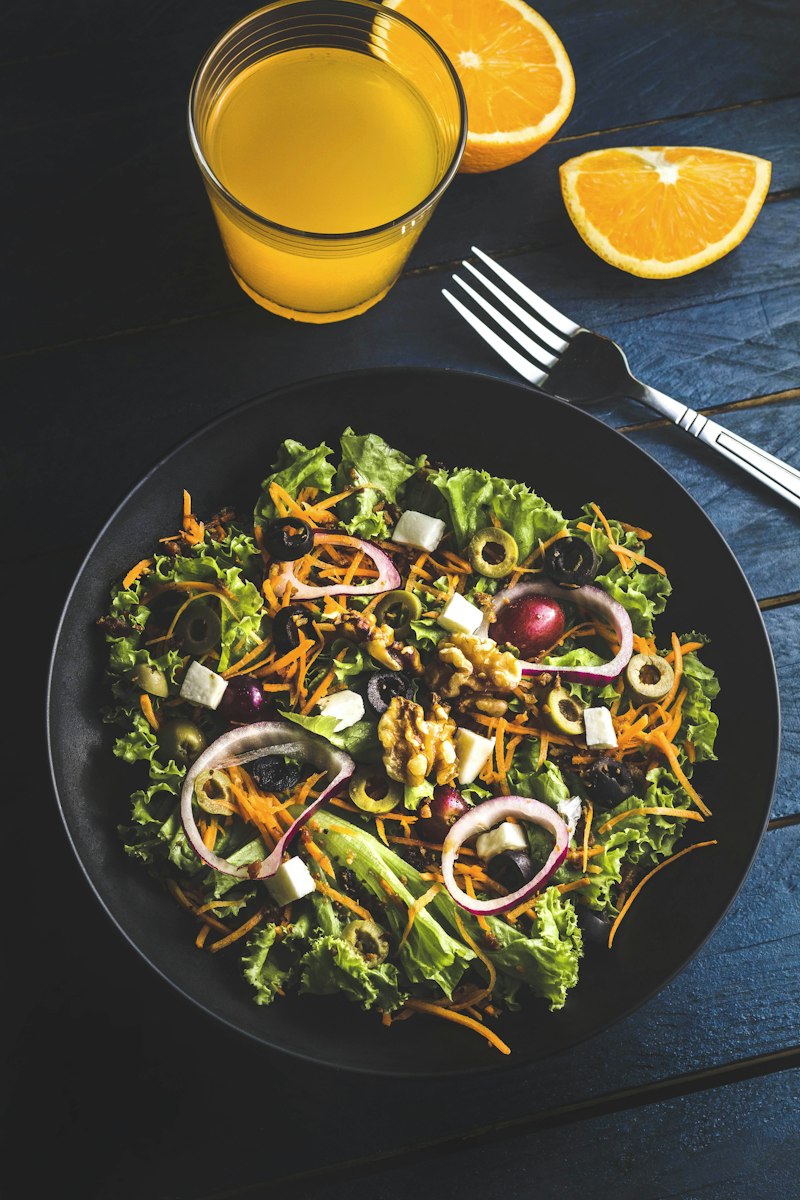
There's a marketing machine in motion, and it's telling Americans that the path to better health is painted in Technicolor. Eat the rainbow. Match your plate to a paint palette. Make nutrition a visual art project.
This trend is being sold as inevitable. It deserves more skepticism than it is getting.
Don't misunderstand me. The underlying nutritional principle has merit. Consuming a variety of colorful fruits and vegetables does typically mean consuming different phytonutrients and micronutrients. A plate that includes spinach, carrots, blueberries, and sweet potatoes is likely more nutrient-dense than a plate of chicken and rice. That's not controversial.
But the packaging of this advice into a viral trend, complete with rigid color-counting rules and the implication that you're doing something wrong if your plate isn't sufficiently chromatic, crosses from helpful guidance into something more troubling.
The "eating the rainbow" framing suggests that nutrition is primarily about aesthetics and visible variety. It's Instagram-friendly. It's shareable. It's the kind of rule that sounds simple enough for TikTok. And that's precisely why we should pause.
Nutritional science doesn't actually work in colors. It works in compounds: fiber, vitamins, minerals, phytochemicals, amino acids. A person eating three servings of white foods (potatoes, cauliflower, beans, chicken breast, fish) alongside some leafy greens may be getting more nutritional value than someone obsessively balancing reds, oranges, yellows, greens, and purples without regard for portion size or overall diet quality.
The trend also carries an implicit classism that rarely gets discussed. Purchasing a visually diverse array of fresh produce year-round is expensive. For families living paycheck to paycheck, the pressure to hit some arbitrary color quota could create unnecessary guilt about eating patterns that are already doing reasonable work nutritionally.
More concerning is what this trend crowds out from the conversation. We're talking about rainbow plates instead of talking about processing food labels, understanding added sugars, recognizing satiety cues, or addressing the actual food environment that shapes most Americans' eating habits. Social media nutrition advice tends to obsess over optimization details while ignoring structural barriers.
There's also the risk of oversimplification. Some people have sensory sensitivities or digestive conditions that mean they genuinely cannot or should not eat a full spectrum of produce. Others come from food cultures where certain color categories aren't prominent but nutritional adequacy is still entirely achievable. Suggesting that health requires rainbow-colored plates isn't universal wisdom. It's a culturally specific aesthetic framework being presented as nutritional law.
The influencers and content creators pushing this trend aren't necessarily wrong. They're just reductive. And reductive health advice, dressed up in something trendy and viral, can feel more authoritative than it deserves to be.
If you enjoy the visual variety and it helps you remember to eat more whole foods, then the rainbow framework has done its job without causing harm. But if you're feeling anxious about whether your meal has hit all the colors, or if you're stretching your budget to chase this aesthetic, or if you're ignoring the actual nutrients in favor of the visual composition, then something has gone wrong.
Nutrition guidance should be flexible enough to account for individual bodies, budgets, preferences, and contexts. When we reduce it to a color wheel, we lose that nuance.
The rainbow trend isn't dangerous. It's just incomplete. And in a media landscape where incomplete ideas spread faster than thoughtful ones, skepticism isn't cynicism.
It's necessary.