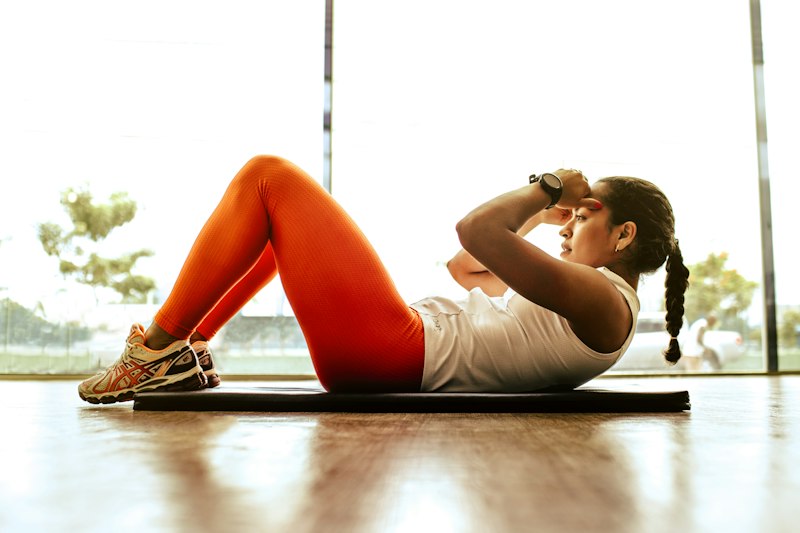
Most coverage treats the rise of home fitness equipment as a practical response to busy schedules and gym closures. It's simpler than that explanation suggests. The real story is that people are quietly rejecting the performance theater of traditional gyms, and we should pay attention to what that shift reveals about how we want to move our bodies.
Walk through social media and you'll see endless unboxing videos of suspension trainers, jump ropes, and compact strength equipment arriving at doorsteps. The narrative is always the same: convenience, cost savings, flexibility. These are real benefits, certainly. But they're not the driving force. If pure convenience were the goal, most people would return to gyms once friction disappeared. Instead, home fitness continues to grow as a category, suggesting something deeper is happening.
The shift reflects a fundamental change in how people think about fitness goals. Home workouts allow you to chase your own metrics without an audience. There's no mirror wall forcing you to evaluate yourself against strangers. There's no unspoken hierarchy of machines or weights that signals social status. You're not performing fitness. You're practicing it.
This distinction matters more than we acknowledge. Traditional gyms operate on a performance model, whether intentionally or not. The open floor plans, the mirrors, the cardio equipment lined up facing outward, the strength sections where heavier lifts naturally attract attention. These designs create an environment where being seen matters. For some people, that's motivating. For many others, it's exhausting.
Home fitness removes that layer entirely. A person can experiment with functional movements, try suspension training without judgment, work through jump rope drills without an internal scoreboard comparing their rhythm to someone else's. The fitness becomes about sensation, improvement, and personal rhythm rather than external validation.
Look at the types of equipment gaining traction in home settings. Suspension trainers require minimal space but demand serious engagement with your own bodyweight. Jump ropes are deceptively simple but require genuine focus. Adjustable dumbbells let you scale intensely without needing a rack of forty different weights. These tools prioritize efficiency and intention over status signaling.
There's also a quiet rejection of specialization happening here. Home fitness equipment tends toward versatility. A suspension trainer works for strength, stability, and mobility. Resistance bands address multiple movement patterns. This mirrors a growing interest in functional movement and preparing your body for real-world demands rather than chasing isolated metrics.
This shift has real implications for the fitness industry. Equipment manufacturers are clearly betting that the home market will sustain growth. But more importantly, the trend signals that people are rethinking what fitness culture should feel like. The Instagram-optimized gym experience, the performative aspects of group fitness classes, the metrics-obsessed tracking culture, these elements feel increasingly hollow to a significant portion of people who want to move better and feel stronger.
We're not seeing a temporary blip. We're seeing a reordering of priorities. People want fitness on their own terms, in their own space, measured by their own standards. That's a meaningful cultural shift.
This doesn't mean traditional gyms are irrelevant. Community, professional coaching, and certain equipment setups still require dedicated facilities. But the growth of home fitness suggests that for many people, those benefits don't outweigh the costs of performance anxiety and external judgment.
The next phase of fitness culture will likely be even more personalized. Home equipment will become smarter. Community will shift toward digital or smaller, more intimate group models. The one-size-fits-all commercial gym model may not disappear, but it will likely become one option among many rather than the default.
When you understand home fitness as a signal about what people actually want from movement, you see the real trend: a desire for agency, authenticity, and freedom from the performance aspects of traditional fitness culture.