# These Overlooked Skin Cancer Signs Could Be Easy to Miss
Skin cancer detection often focuses on the ABCDE rule, but dermatologists warn that several warning signs fall outside this framework and deserve attention.
The classic ABCDE checklist addresses asymmetry, border irregularity, color variation, diameter larger than a pencil eraser, and evolving appearance. These guidelines catch many melanomas effectively. However, emerging research and clinical experience reveal that other changes warrant equal scrutiny.
Dermatologists report that patients frequently overlook lesions that itch, bleed, or don't heal. A spot that bleeds spontaneously or persists longer than three weeks despite normal healing timelines suggests medical evaluation. Itching, particularly if new or persistent, signals potential concern even when the lesion appears benign to the naked eye.
Changes in texture represent another overlooked indicator. A previously flat spot becoming raised or scaly, or a mole developing a rough surface, warrants professional assessment. Some cancers present as flesh-colored bumps or shiny nodules rather than dark lesions, making them invisible to people watching only for pigmented changes.
Location matters too. Melanomas on the scalp, ears, palms, soles, and genital areas often develop later because people check these zones less frequently. These harder-to-monitor spots account for a disproportionate share of advanced cases at diagnosis.
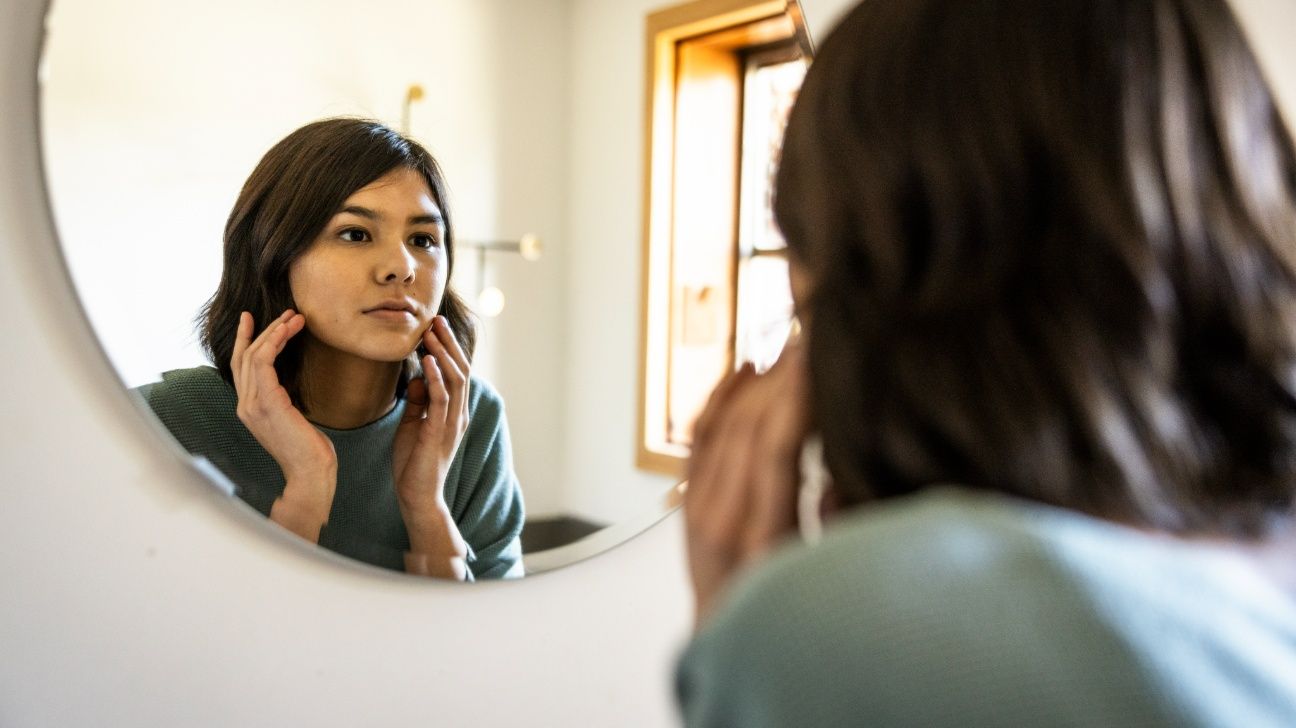
The bottom line: establish a monthly self-examination routine using a mirror and asking a partner to check hard-to-see areas. Document any new growths, color shifts, size increases, or texture changes with photos. Visit a dermatologist annually for professional screening, or immediately if you notice anything unusual.
Early detection transforms outcomes. Melanomas caught before spreading to deeper skin layers show 99 percent five-year survival rates, according to data from