# What Is 'Biblical Eating'? Inside TikTok's Latest Whole-Food Obsession
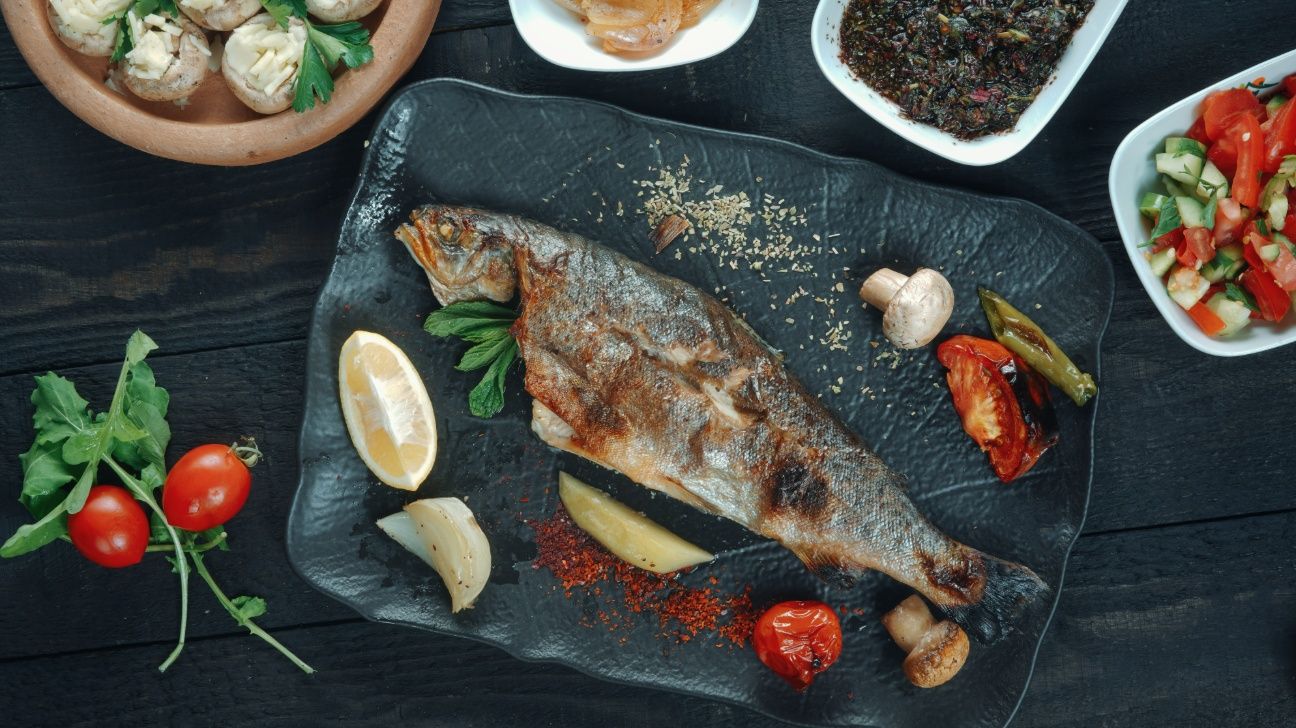
A trending diet concept called "biblical eating" is gaining traction on TikTok, where users promote consuming whole, unprocessed foods based on what they claim people ate in biblical times. The trend centers on eating fish, vegetables, grains, legumes, and fruit while avoiding modern processed foods, refined sugars, and artificial additives.
Proponents argue this approach mirrors the diet of ancient peoples and offers health benefits like improved digestion, sustained energy, and weight management. The movement has attracted millions of views, with content creators sharing meal prep videos and testimonials about their experiences.
Nutrition experts urge caution with the trend. Dr. Jessica Cording, a registered dietitian nutritionist, notes that while emphasizing whole foods has merit, the "biblical" framing oversimplifies both ancient diets and modern nutrition science. Historical diets varied dramatically by geography, season, and social class, making a single "biblical" template inaccurate.
The actual science supports eating less processed food. Studies published in journals like the American Journal of Clinical Nutrition show that whole-food diets rich in vegetables, fish, and legumes correlate with better cardiovascular health and lower inflammation markers compared to ultra-processed alternatives. However, these benefits come from the foods themselves, not from any historical or spiritual framework.
Registered dietitian Maya Feller emphasizes that balance matters. An overly restrictive approach to "biblical eating" could eliminate nutrient-dense modern foods like fortified grains or certain dairy products that support health. Individual nutritional needs vary based on age, activity level, and existing health conditions.
The trend reflects a broader cultural desire to return to "simpler" eating patterns. While reducing processed foods benefits most people, attaching historical or religious narratives