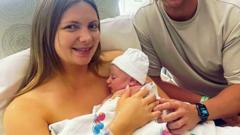
A British baby named Theo made medical history when surgeons performed groundbreaking prenatal surgery to repair gastroschisis, a rare birth defect where intestines develop outside the abdominal wall. Theo became the first British infant enrolled in a clinical trial testing this innovative approach.
Gastroschisis affects roughly one in 2,000 to 4,500 live births. Affected babies are typically born with exposed abdominal organs that require immediate surgical correction after delivery. The condition carries serious risks, including infection, temperature loss, and complications during postnatal repair.
The pioneering procedure involved fetal surgeons operating on Theo while still in the womb, allowing them to gradually return the intestines to their proper position before birth. This approach differs dramatically from standard care, which waits until after delivery to address the defect through multiple surgeries and prolonged hospitalization.
By intervening prenatally, surgeons aim to reduce trauma to delicate tissues and lower infection risk. The procedure also potentially shortens the recovery period and reduces the number of surgeries needed after birth, giving infants a better chance at normal digestive function.
The clinical trial represents years of research into whether prenatal correction offers genuine advantages over conventional postnatal repair. Early evidence from international centers suggests the timing of intervention may significantly impact long-term outcomes, though researchers continue gathering data to confirm these findings.
Theo's case demonstrates how advances in imaging technology and surgical technique are expanding possibilities for treating complex fetal abnormalities. Prenatal diagnosis through ultrasound now allows doctors to identify conditions like gastroschisis early enough to plan appropriate interventions.
Families facing a gastroschisis diagnosis can benefit from this research, as it offers a new treatment option alongside traditional approaches. The trial continues enrolling eligible candidates, potentially expanding access to this surgery for babies across the United Kingdom.