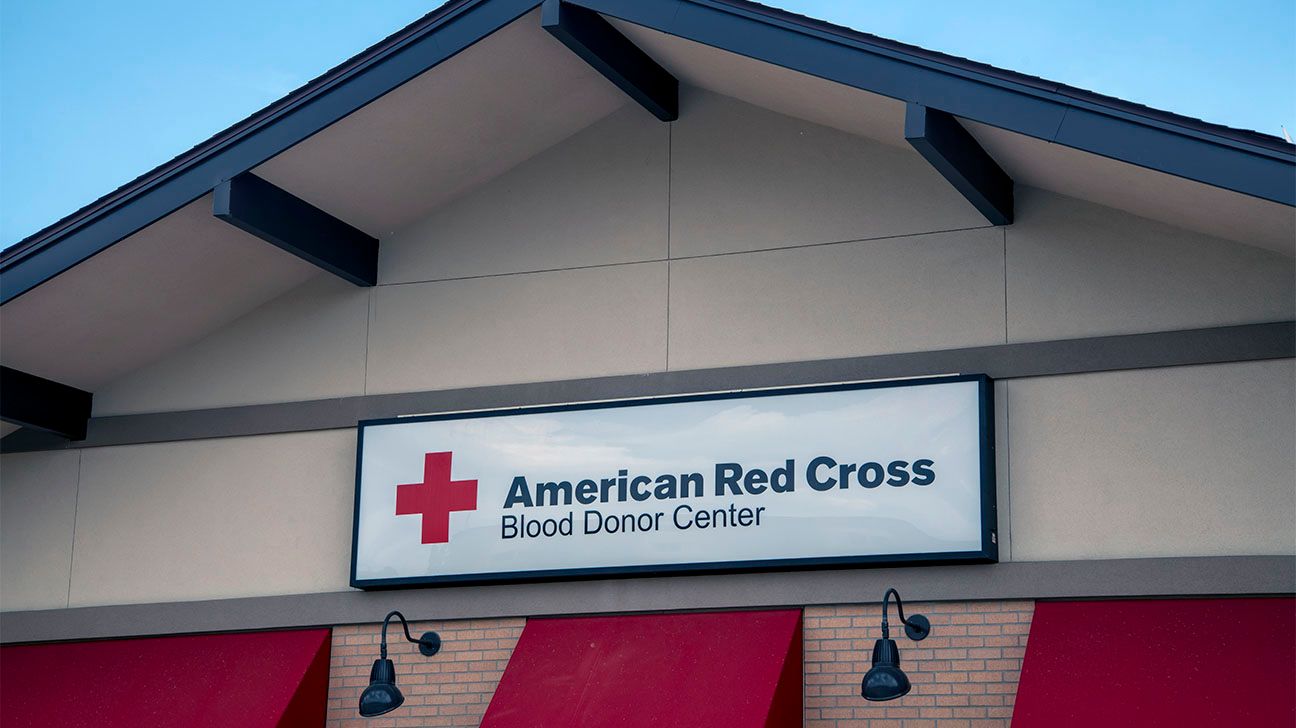
The American Red Cross declared a national blood supply crisis after donations fell to their lowest levels in four years. Blood banks across the country face critical shortages that directly threaten patient care, from routine surgeries to emergency trauma treatment.
The decline stems from multiple factors. Fewer people donate blood than before the pandemic. Those who do donate give less frequently. Summer months typically see reduced donation rates as people travel and take time off work, but this year's shortfall exceeds historical patterns.
Blood donations support nearly every medical scenario. Trauma centers rely on immediate access to blood for car accident victims and gunshot wounds. Cancer patients undergoing chemotherapy need transfusions. Surgery patients require blood on standby. Childbirth complications sometimes demand emergency transfusions. When supplies drop critically low, hospitals face impossible choices about who receives care.
The Red Cross manages roughly 40 percent of America's blood supply. A healthy inventory requires a steady stream of donors. Each person who donates gives one unit of blood, which helps three patients on average. The organization needs approximately 13,000 blood donations daily to meet national demand.
Several demographic groups face donation restrictions that shrink the potential donor pool. Weight requirements, recent travel, certain medications, and health conditions all affect eligibility. The Red Cross continues evaluating policies to expand who can safely donate while maintaining safety standards.
Hospitals cannot manufacture blood or store it indefinitely. Red cells last 42 days. Platelets last just five days. This biological reality means shortages develop quickly when donations decline.
The Red Cross urges eligible people to schedule donations immediately. Blood drives operate in communities nationwide. First-time donors often qualify despite concerns about eligibility. The organization's website helps people locate nearby donation centers and book appointments.
Healthcare leaders warn that waiting for donations to recover organically wastes time. Every donation matters now. People who give blood address an urgent public health need