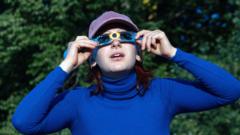
# Eclipse Warning: How to Spot Eye Damage From Solar Viewing
Looking at the sun without proper protection during a solar eclipse carries real risk of permanent vision loss. The danger lies in solar retinopathy, a condition where intense solar radiation burns the retina, the light-sensitive tissue at the back of your eye.
Eye care professionals warn that damage can occur within seconds of unprotected sun gazing. The retina lacks pain receptors, which means you won't feel the injury happening. This creates a deceptive safety gap: your eye sustains damage while sending no distress signals to your brain.
Blurred or distorted vision ranks among the first warning signs of eclipse-related eye injury. You may also experience dark or blank spots in your central vision, difficulty reading or recognizing faces, and sensitivity to light. Some people report seeing wavy lines or noticing colors appear differently than normal. These symptoms can develop immediately after exposure or emerge over the following hours and days.
Other indicators include floaters (small specks drifting across your visual field) and a persistent feeling that something is wrong with your vision even when you can't pinpoint exactly what. If you've been looking at the sun without eclipse glasses and develop any of these symptoms, seek immediate medical attention from an ophthalmologist or eye emergency clinic.
The safest approach involves using ISO 12312-2 certified eclipse glasses before, during, and after the event. These specialized filters block 99.99 percent of the sun's light, allowing safe viewing. Regular sunglasses, no matter how dark, provide no protection whatsoever. Welding glass #14 also works, though eclipse glasses remain the most practical option for the general public.
Smartphone cameras and unfiltered telescopes amplify solar danger. The sun's concentrated rays can damage the camera sensor and project an intensified image directly into your eye. If you want photographs, use a solar filter specifically designed for your camera equipment.
Children face particular vulnerability because their eyes are still developing and they may be less likely to follow safety instructions carefully. Parents should ensure kids wear proper eclipse glasses and supervise their viewing closely.
If you suspect eye damage, don't wait for symptoms to worsen. An eye care professional can examine your retina using specialized imaging equipment to detect injury. Early detection matters, though unfortunately, treatment options remain limited once retinal damage occurs. Most solar retinopathy cases result in permanent vision changes, making prevention the only truly effective strategy.
Eclipse viewing remains safe and enjoyable when done correctly. Millions of people witness solar events without injury simply by following established safety protocols. The key lies in preparation and vigilance, not avoidance.