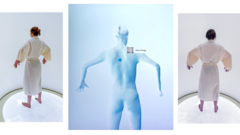
# Private Body Scans Promise Reassurance but Often Deliver Anxiety Instead
Full-body health scans marketed to worried well people represent a growing industry built on fear, not evidence. These private screenings, which can cost hundreds of pounds, use advanced imaging to search for hidden disease. But experts warn they frequently identify incidental findings that don't require treatment, sending patients into unnecessary distress and downstream medical procedures.
The BBC's investigation examined how private scan companies target healthy people with marketing that emphasizes peace of mind. In reality, these scans often uncover benign abnormalities. A thyroid nodule, a kidney cyst, or a small liver spot detected on imaging terrifies patients despite having minimal clinical significance. People then endure repeat appointments, specialist consultations, and additional tests to confirm these findings pose no threat.
Dr. Paul Glasziou, a researcher in evidence-based medicine, explains the fundamental problem: screening asymptomatic people creates harm through overdiagnosis. Studies show that many incidental findings would never cause symptoms or death. Yet discovering them initiates what researchers call the "cascade effect." One scan leads to follow-up imaging, which leads to biopsies, which leads to unnecessary treatment.
The National Screening Committee in the UK does not recommend full-body scanning for asymptomatic adults. Instead, evidence-based screening focuses on specific populations at genuine risk for particular conditions. Mammograms for women at breast cancer risk. Colonoscopies for colorectal cancer prevention. Targeted approaches, not whole-body fishing expeditions.
Private scan companies cite patient peace of mind as justification. But the actual outcome for many people who receive incidental findings is heightened anxiety, not reduced worry. Some patients develop "scanxiety," experiencing persistent health concerns triggered by imaging results they don't fully understand.
For people genuinely concerned about their health,