# U.S. Military to Screen for Low Testosterone. Why Experts Are Concerned
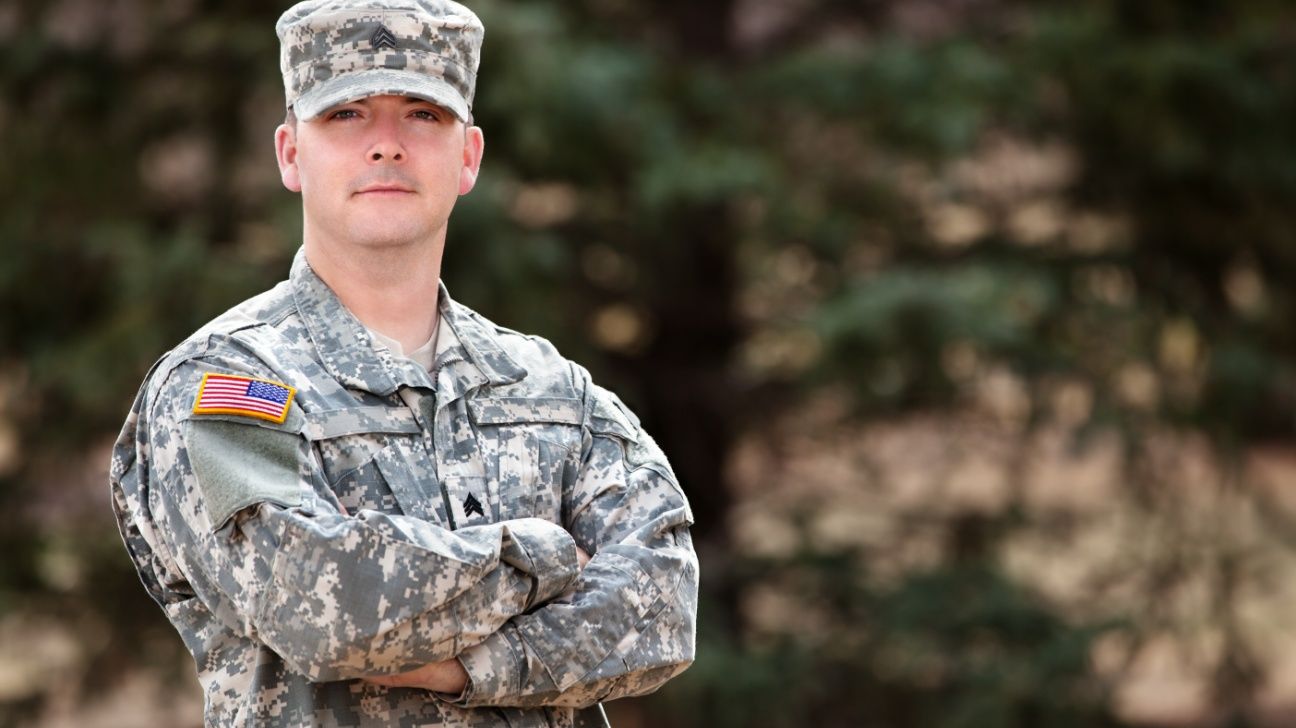
The U.S. military has announced a new screening program to identify service members with low testosterone levels. The move has prompted caution from endocrinologists and men's health specialists who warn that broad testosterone screening could lead to overdiagnosis and unnecessary treatment in a population that may not actually need it.
Low testosterone, or hypogonadism, occurs when the body produces insufficient testosterone. Symptoms include fatigue, reduced muscle mass, decreased libido, and mood changes. However, testosterone levels naturally decline with age, and many men with low levels experience no symptoms at all. This distinction between measured levels and clinical symptoms matters enormously for treatment decisions.
The concern from experts centers on a few key issues. First, testosterone screening without clear symptoms can identify men who fall below statistical averages but function normally. Second, testosterone replacement therapy carries real risks. Research published in recent years has linked testosterone treatment to increased cardiovascular events in some populations, particularly older men or those with existing heart disease. Third, military screening could create pressure to treat asymptomatic low testosterone, exposing healthy service members to medication risks they may not need.
Dr. Landon Trost, a urologist at Mayo Clinic who specializes in men's sexual health, has emphasized that testosterone replacement should target symptomatic men with confirmed low levels through repeat blood tests. The Endocrine Society guidelines recommend measuring testosterone in the morning, when levels peak naturally, and repeating the test before beginning treatment.
The military's rationale likely centers on fitness and readiness. Testosterone supports muscle mass, bone density, and mood stability. Low levels could theoretically compromise physical performance and mental resilience. However, testosterone supplementation has not been proven to improve military performance in men with asymptomatic low levels.
Another concern involves diversity in normal testosterone ranges. Testosterone levels vary significantly by ethnicity, age, and individual physiology. Population-wide screening risks pathologizing natural variation and treating men unnecessarily.
The military population also differs from civilian populations in important ways. Service members tend to be younger, more physically active, and healthier overall than the general public. In this group, clinically significant hypogonadism that requires treatment may be relatively rare.
Experts recommend the military implement screening only for service members reporting symptoms consistent with low testosterone, such as persistent fatigue unrelated to training intensity or documented sexual dysfunction. Any screening should be coupled with comprehensive clinical evaluation, repeat testing, and shared decision-making conversations about risks and benefits before treatment begins.
The program raises broader questions about how healthcare systems balance population health surveillance with individual autonomy and appropriate treatment. Screening identifies cases but does not guarantee benefit. For military personnel, the stakes involve both health and career implications, making careful diagnostic standards particularly important.
Medical organizations including the American Urological Association continue to advocate for targeted, symptom-driven approaches to testosterone assessment rather than universal screening protocols.