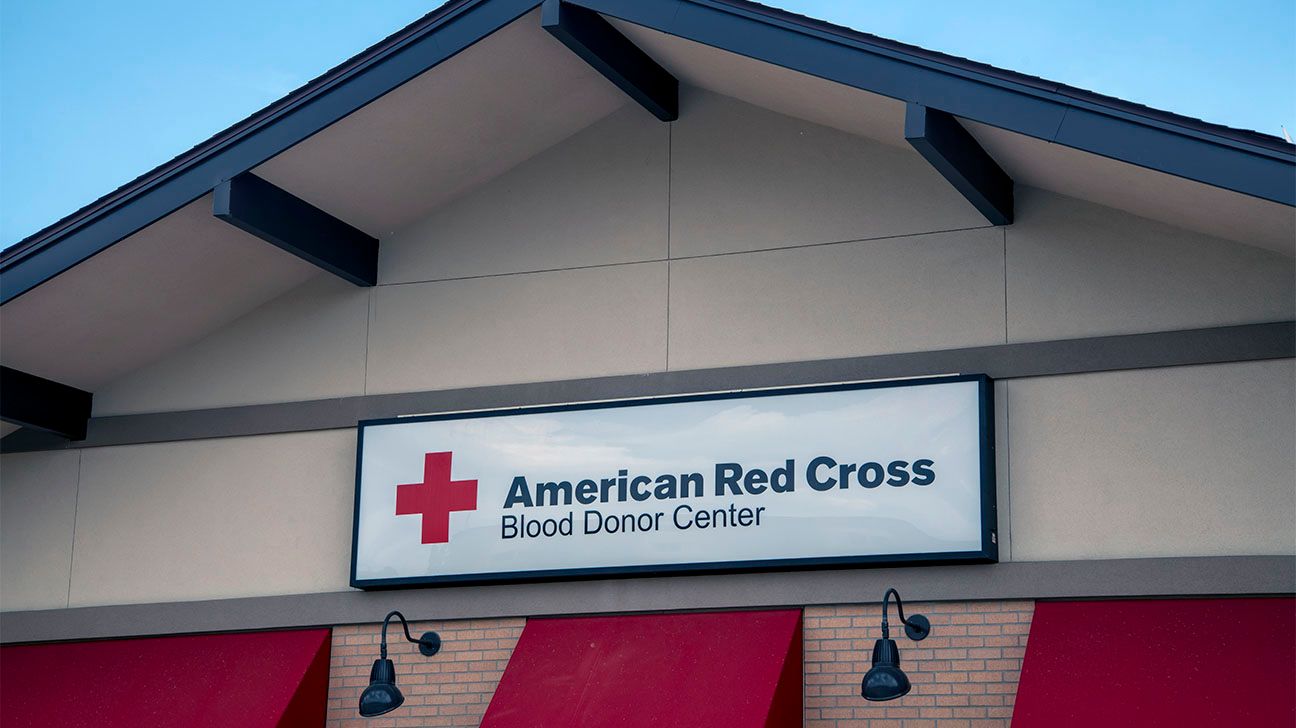
# Red Cross Declares National Blood Supply Crisis as Donations Hit 4-Year Low
The American Red Cross has declared a national blood supply crisis, with donation levels dropping to their lowest point in four years. The shortage threatens the ability of hospitals across the country to meet patient needs for surgeries, trauma care, and treatment of chronic conditions.
Blood donation rates have plummeted due to multiple converging factors. Fewer people are scheduling appointments, while those who typically donate regularly report declining participation. The Red Cross attributes the decline to reduced awareness about donation needs, competing priorities in people's schedules, and lingering effects from pandemic-related disruptions to donation habits.
The crisis arrives at a particularly vulnerable moment. Summer months typically see seasonal declines in donations as people travel and take time off work. Combined with the current four-year low, hospitals now face genuine constraints on available blood products for emergency situations and planned procedures.
Hospital blood banks operate on tight margins. They cannot stockpile large reserves of most blood products because many expire within weeks. Type O blood, the universal donor type, remains in constant demand across emergency departments and operating rooms. Platelet supplies are especially vulnerable since they expire after just five days.
The Red Cross urges eligible donors to schedule appointments immediately. Donors must be at least 17 years old, weigh at least 110 pounds, and be in good health. Those with recent piercings or tattoos, those taking certain medications, or people who have traveled recently may face temporary deferral periods.
Regular donors prove particularly valuable to the blood supply system. Donors who give consistently help hospitals plan their inventory and respond to unexpected emergencies. First-time donors also matter, but they require additional processing time and screening.
The organization has launched public awareness campaigns highlighting that blood donations save lives in ways many people never witness. A single donation can help multiple patients. Blood recipients include not only trauma