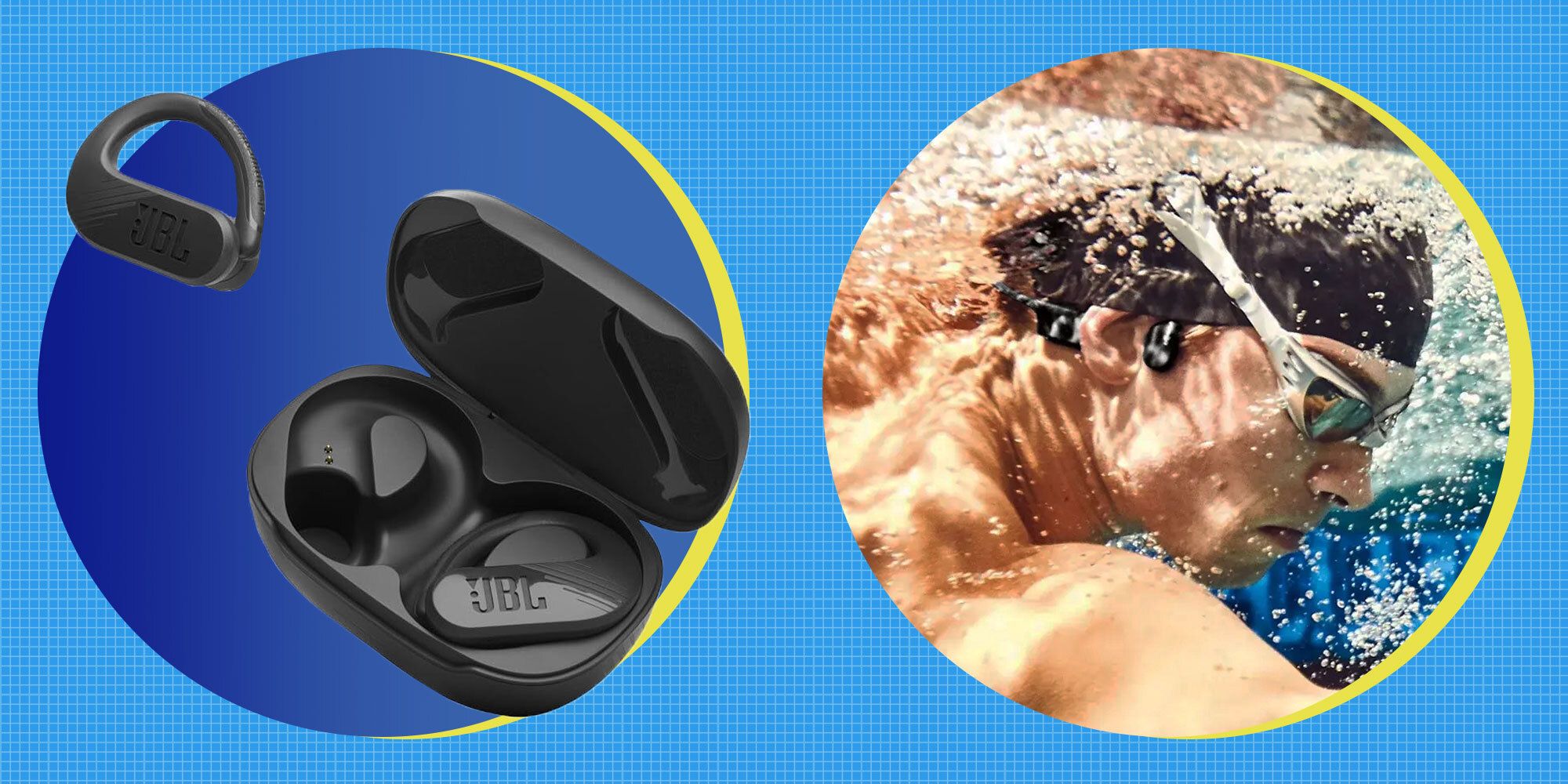
# Best Swimming Headphones, Underwater-Tested by Fitness Editors
Swimming workouts lose their momentum without the right soundtrack. Fitness editors at Men's Health tested waterproof headphones designed to survive pool laps and ocean swims, evaluating sound quality, durability, and comfort in wet conditions.
The testing process involved real underwater use rather than lab conditions alone. Editors assessed how well each model stayed secure during different swim strokes, how long the battery lasted through extended sessions, and whether water affected audio clarity. Sound isolation matters less in water than stability and reliability do.
Top contenders balanced multiple factors. Some models prioritized bone conduction technology, which vibrates sound through the skull rather than using traditional speakers. This approach eliminates the risk of water pooling in ear canals while keeping ears clear to hear swimmers or coaches nearby. Others used sealed speaker designs with multiple water-resistance ratings to ensure no moisture penetration.
Battery performance proved critical for serious swimmers. Models offering six to ten hours of continuous playback handled even demanding training schedules. Quick charging capabilities became valuable for athletes who train multiple times weekly.
Comfort during extended wear separated winners from mediocre options. Ill-fitting headphones slip during flip turns and freestyle strokes, forcing constant readjustment. Editors tested stability through different pool situations, from lap swimming to water aerobics, noting which designs maintained secure positioning.
Durability testing revealed that not all waterproof claims hold up equally. Some headphones survived chlorine and saltwater exposure better than others, with certain materials showing corrosion resistance after weeks of regular use. Price didn't always correlate with longevity, meaning swimmers could find reliable options at various budget levels.
Connection reliability mattered too. Waterproof technology that blocked water sometimes interfered with Bluetooth signals. The best performers maintained strong connectivity even when partially submerged,