# Pumpkin Spice Season Returns: Nutrition-Focused Alternatives to Fall Coffee Drinks
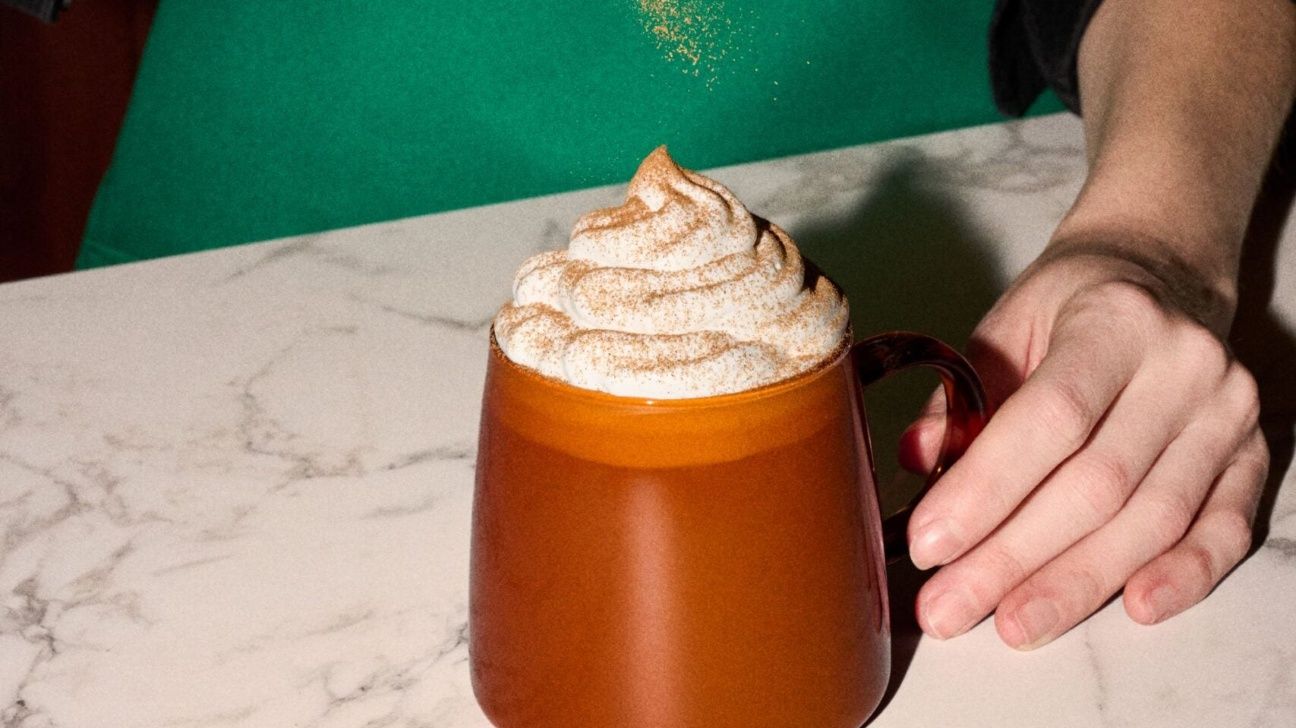
Pumpkin spice lattes are back at Starbucks, signaling the unofficial start of autumn for millions of coffee drinkers. The iconic seasonal beverage has become a cultural phenomenon, but its nutritional profile warrants careful attention. A standard Pumpkin Spice Latte with 2% milk and whipped cream contains 390 calories, 39 grams of sugar, and 14 grams of saturated fat per grande serving.
For context, that single drink represents nearly 100% of the American Heart Association's recommended daily sugar intake for many people. The high sugar content creates rapid blood glucose spikes, which registered dietitian nutritionists warn can contribute to energy crashes and increased cravings throughout the day.
The good news: you can enjoy pumpkin spice flavors without the sugar overload.
Several practical modifications work well. Ordering a Pumpkin Spice Latte with unsweetened almond milk instead of 2% milk cuts calories to around 240 and reduces sugar to 28 grams. Requesting "light syrup" or asking the barista to use half the standard pump of pumpkin sauce further reduces sweetness while preserving the seasonal flavor profile.
Skipping the whipped cream saves an additional 50-80 calories and 5 grams of saturated fat. Some customers request cinnamon powder, nutmeg, or cloves added on top for enhanced spice without added sugar.
An alternative approach involves ordering a plain latte or cappuccino and asking for a single pump of pumpkin sauce plus cinnamon. This gives you control over sweetness levels while maintaining the drink's identity.
For those willing to venture beyond Starbucks, homemade options offer complete control. Brewing strong coffee and adding steamed unsweetened oat milk, a small amount of maple syrup or honey, and pumpkin pie spices delivers authentic flavor with about half the sugar of a standard store-bought version. Some people add a quarter-teaspoon of pumpkin puree for depth without excessive sweetness.
Registered dietitian advice emphasizes portion awareness and frequency. Enjoying a full-sugar pumpkin spice latte occasionally (once or twice weekly) fits within most people's dietary patterns. Daily consumption, however, adds 15 to 20 pounds of excess sugar per year for regular drinkers.
The spices in pumpkin spice blends, particularly cinnamon and ginger, contain compounds with documented antioxidant properties. Research published in the Journal of Medicinal Food shows that cinnamon may help moderate blood sugar response slightly. This means the spices themselves offer minor health benefits, separate from the sugar content issue.
The takeaway: pumpkin spice enjoyment and nutritional balance aren't mutually exclusive. Modifications require only brief communication with baristas and cost nothing additional. Whether you choose lighter versions at coffee shops or homemade alternatives, seasonal beverages can fit into a balanced approach without derailing health goals.
Fall can arrive without the accompanying metabolic stress.