# 6 Exercises to Help You Poop Fast, According to Experts
Constipation affects roughly 16 percent of adults in the United States, according to the National Institute of Diabetes and Digestive and Kidney Diseases. For many people, the solution involves more than diet and hydration alone. Movement works. Physical activity stimulates the muscles in your digestive tract and accelerates the movement of stool through your colon, a process called peristalsis.
Gastroenterologists and exercise physiologists have identified specific movements that work better than others for relieving constipation quickly.
Walking ranks as the simplest and most accessible option. A 2019 study published in the American Journal of Gastroenterology found that moderate-intensity walking for just 15 to 20 minutes activates the abdominal muscles and intestinal contractions. The key involves maintaining steady, purposeful movement rather than leisurely strolling.
Abdominal twists engage your core directly. Seated or standing twists rotate the torso side to side, mechanically squeezing the colon and promoting bowel movement. Practitioners recommend 10 to 15 repetitions per side, performed slowly with control.
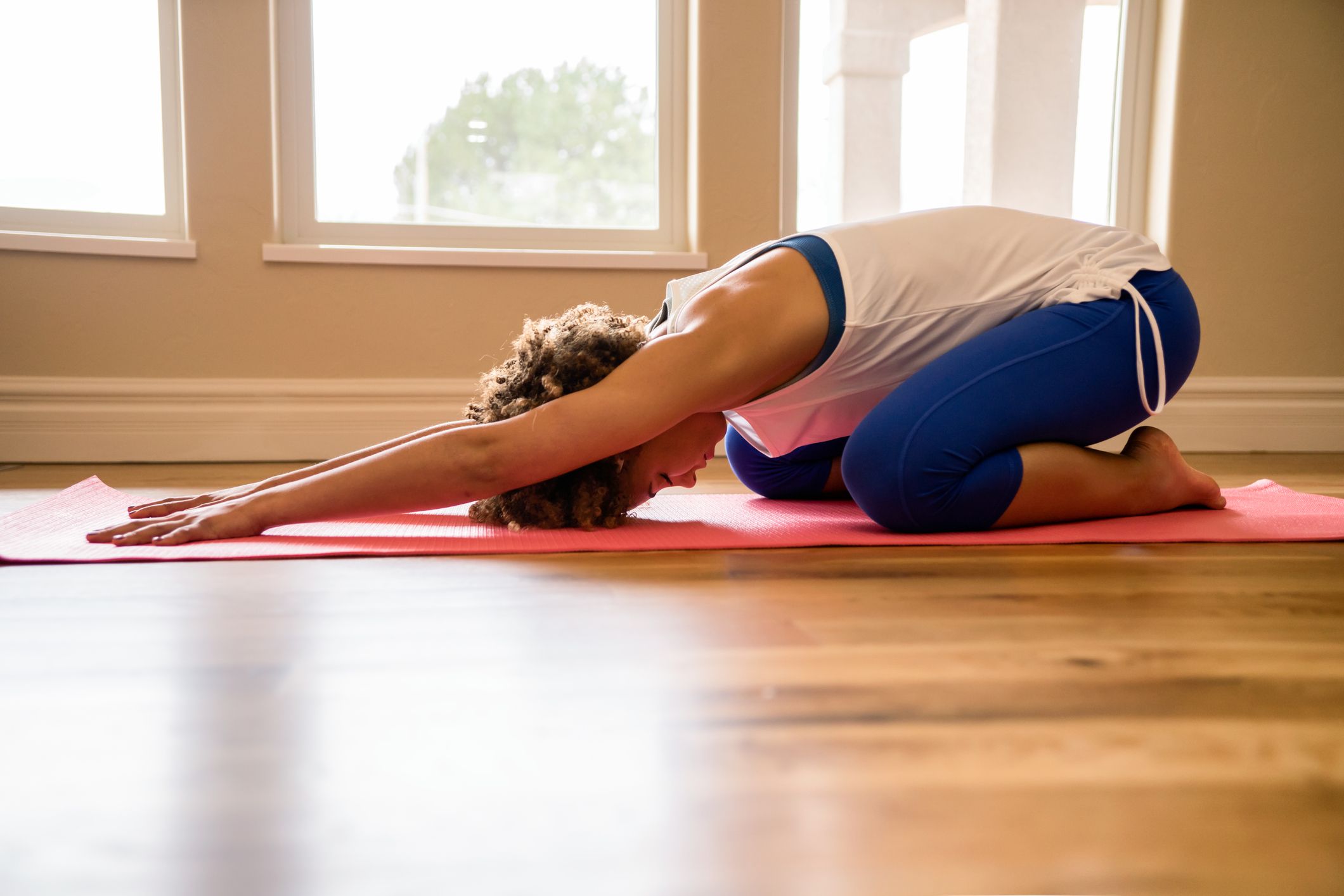
Knee-to-chest stretches target the lower abdomen and colon. Lying on your back, draw one knee toward your chest and hold for 15 to 30 seconds, then switch legs. This gentle yoga-inspired pose naturally compresses the intestines and encourages movement.
Squat holds mimic the body position that our ancestors used for elimination. The squat position naturally increases intra-abdominal pressure and aligns the colon in its most efficient position for bowel movements. Hold the position for 30 seconds to two minutes.
Cat-cow stretches, borrowed from yoga practice, involve arching and rounding the spine alternately while on hands and knees. This movement mobilizes the entire abdominal region and stimulates digestive function.
Pelvic floor exercises, including controlled breathing paired with gentle abdominal engagement, strengthen the muscles involved in bowel control and elimination.
For fastest results, experts recommend combining movement with proper hydration and adequate fiber intake. Most people see results within 15 to 30 minutes of starting an exercise routine. The effect intensifies if you perform these movements when you naturally feel the urge to have a bowel movement.
Regular physical activity prevents constipation long-term. Adults who exercise at least 30 minutes daily report fewer digestive issues overall. The benefits extend beyond bowel health. Exercise improves gut health by promoting beneficial bacteria growth, enhancing overall digestive wellness.
If constipation persists beyond two weeks despite increased movement and lifestyle changes, consult a healthcare provider. Chronic constipation sometimes signals underlying conditions that require medical evaluation. A gastroenterologist can determine whether your symptoms warrant additional testing or treatment.