# Scan Error Led to Sepsis, Prompting Call for Improved Postnatal Care
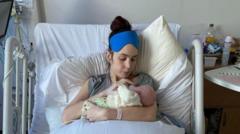
A mother's life-threatening sepsis infection stemmed from a missed diagnosis during routine medical imaging, highlighting dangerous gaps in postnatal care oversight. The woman developed a perforated bowel that went undetected on her scan, allowing infection to spread unchecked until sepsis developed.
Her experience underscores a pattern some researchers and clinicians have identified: postnatal women often receive fragmented monitoring after discharge from hospital, with communication breakdowns between departments contributing to delayed diagnoses of serious complications.
Sepsis occurs when the body's response to infection damages its own tissues. It represents a medical emergency requiring immediate antibiotics and treatment. In this case, the perforated bowel released harmful bacteria into the abdomen, but the initial scan failed to capture the severity of what was happening. By the time medical teams recognized the emergency, the infection had progressed to life-threatening levels.
The mother's case reflects broader concerns about postnatal safety. Women leaving hospital after childbirth receive varying levels of follow-up care depending on their location and healthcare system. Some experience robust midwife-led check-ins; others navigate the system with minimal oversight. When complications arise, fragmented communication between obstetric teams, emergency departments, and general practitioners can delay recognition of serious problems.
The NHS has acknowledged the need for stronger protocols around postnatal screening and follow-up. Organizations like the Royal College of Obstetricians and Gynaecologists recommend standardized assessments for women before discharge and clear pathways for accessing urgent care if symptoms develop. Yet implementation varies across trusts.
Radiologists and clinicians point to the complexity of postpartum imaging. The body undergoes dramatic changes after birth. Normal anatomical variations can be difficult to interpret. Advanced training in postnatal imaging helps radiologists distinguish routine changes from pathology, but standardized training requirements remain inconsistent across healthcare systems.
The woman now advocates for several changes: clearer discharge documentation that specifies red flag symptoms women should watch for, improved communication protocols between maternity and emergency services, and routine training for imaging specialists in postnatal anatomy and pathology. She emphasizes that healthcare providers should assume postnatal complications until proven otherwise.
Her advocacy reflects a growing movement among patients and clinicians to prioritize postnatal care as seriously as prenatal monitoring. The "fourth trimester" after birth carries real risks. Infections, blood clots, hemorrhage, and organ complications can develop rapidly. Women need accessible routes to urgent evaluation, clear symptom guidance, and imaging teams equipped to recognize postnatal emergencies.
Several NHS trusts have begun implementing postnatal safety bundles that include symptom education, emergency contact protocols, and imaging guidelines specific to the postpartum period. These initiatives show promise in reducing preventable complications.
The woman's case reached local health authorities and prompted a review of scanning procedures. While individual errors occur in any system, systematic improvements in communication and specialist training can prevent future tragedies. Her willingness to speak publicly about her experience may accelerate needed changes to protect other mothers.