# UK's £10 Billion PPE Failure Left NHS Staff Dangerously Exposed During COVID-19
The UK wasted approximately £10 billion on personal protective equipment that failed to adequately shield National Health Service staff from COVID-19 infection, according to findings from the ongoing Covid inquiry. Healthcare workers faced a catastrophic gap between the enormous public spending and their actual protection on the front lines.
The inquiry's report reveals that despite massive procurement expenditures, NHS staff encountered consistent shortages of suitable protective gear and received equipment that proved inadequate for preventing dangerous infections. This contradiction between spending and protection created a public health crisis within the healthcare system itself, forcing clinicians and nurses to work in conditions that exposed them to unnecessary risk.
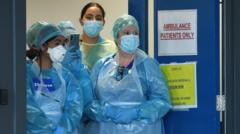
Healthcare workers bore the brunt of this policy failure. Throughout 2020 and into 2021, frontline staff reported reusing single-use masks, improvising protective barriers, and working shifts without proper respiratory protection. Many NHS employees contracted COVID-19, with some suffering long-term health consequences. The emotional toll of inadequate protection compounded the already extreme stress of the pandemic response.
The inquiry's findings point to systemic failures in procurement, distribution, and quality control. Government agencies struggled to coordinate with suppliers, prioritize distribution to frontline facilities, and verify that purchased equipment met actual protection standards. While billions flowed into the system, the equipment often arrived too late, in wrong quantities, or failed to meet the specifications required for high-risk clinical environments.
This waste represents not just financial mismanagement but a failure of duty of care toward the healthcare workforce. The NHS depends on attracting and retaining skilled professionals. Workers who feel unsupported and exposed during emergencies face reduced job satisfaction and increased burnout. For many healthcare staff, the PPE shortage symbolized government neglect during their most critical moment of need.
The inquiry's conclusions carry implications for future pandemic preparedness. Strategic reserves of protective equipment require proper planning, testing, and maintenance before emergencies arise. Supply chains need resilience and redundancy. Distribution systems must prioritize protecting those in direct contact with infectious patients.
This finding also highlights the importance of listening to frontline workers when assessing whether protective measures actually work. Laboratory certifications and procurement contracts mean little if the equipment fails under real clinical conditions or arrives in the wrong quantities when needed most.
The report underscores that pandemic preparedness involves more than spending large sums of money. Effective protection requires coordination, accountability, worker input, and systems that translate resources into actual safety measures. For NHS staff who endured this failure while caring for critically ill patients, the inquiry's findings validate their experiences and frustrations during one of healthcare's darkest chapters.