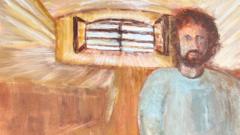
# Art as Rehabilitation: How Creative Expression Transforms Incarcerated Lives
A charity organization has launched an initiative that leverages visual art creation and online sales as a pathway to rehabilitation for incarcerated individuals. Early feedback from participants reveals that engaging in artistic practice produces measurable psychological benefits while building practical work skills.
Inmates participating in the program report the experience as "rewarding," a finding that aligns with emerging research on art therapy in correctional settings. Creating artwork provides inmates with constructive outlets for emotional expression, reduces idle time associated with behavioral problems, and establishes a sense of purpose during incarceration.
The program combines two therapeutic elements. First, the creative act itself offers cognitive and emotional benefits. Art-making engages problem-solving skills, encourages mindfulness, and provides a non-verbal channel for processing trauma, anger, or grief. Second, the online sales component introduces economic empowerment and genuine work experience. When inmates see their creations sell and generate income, they experience tangible validation of their efforts and develop real-world employment skills.
Research on arts programs in correctional facilities supports these outcomes. Studies show that inmates who participate in structured arts activities report reduced stress, improved behavioral records, and better prospects for successful reentry. The University of Cambridge's research on creative programs in prisons found participants showed improved emotional regulation and greater engagement with rehabilitation services overall.
The charity model also addresses reentry challenges directly. Upon release, formerly incarcerated individuals often struggle to secure employment due to stigma and gaps in work history. By building a verifiable portfolio of completed work and establishing an online sales record, participants gain concrete evidence of productivity and reliability. This documentation becomes valuable when applying for jobs or starting small businesses.
The program democratizes access to art markets typically dominated by artists with institutional connections or financial resources. Incarcerated artists gain direct pathways to buyers without requiring gallery representation or significant startup capital. This economic model transforms art from a recreational activity into a viable income stream, both during and after incarceration.
Implementation varies by facility, but effective programs typically include art instruction from trained instructors, quality materials, secure storage for finished pieces, and professional photography for online listings. The logistics require careful planning to ensure security while maintaining the creative integrity of the work.
Participation rates and sales data suggest growing interest. Inmates report improved mental health, reduced institutional incidents, and stronger motivation toward positive behavior change. Families and corrections staff observe measurable behavioral improvements in participants compared to control groups.
The approach addresses a persistent challenge in criminal justice: how to make rehabilitation tangible and personally meaningful for participants. Rather than passive programming, art creation requires active engagement. Participants become invested in their own transformation.
As recidivism remains a public health challenge, evidence-based alternatives to purely punitive models gain traction. Art-based rehabilitation offers a scalable intervention that builds human capacity rather than simply warehousing people. When inmates leave prison with marketable skills, completed portfolio work, and restored sense of agency, recidivism rates typically decline.
The charity's work demonstrates that rehabilitation succeeds when it respects human dignity and creates genuine opportunity for growth.