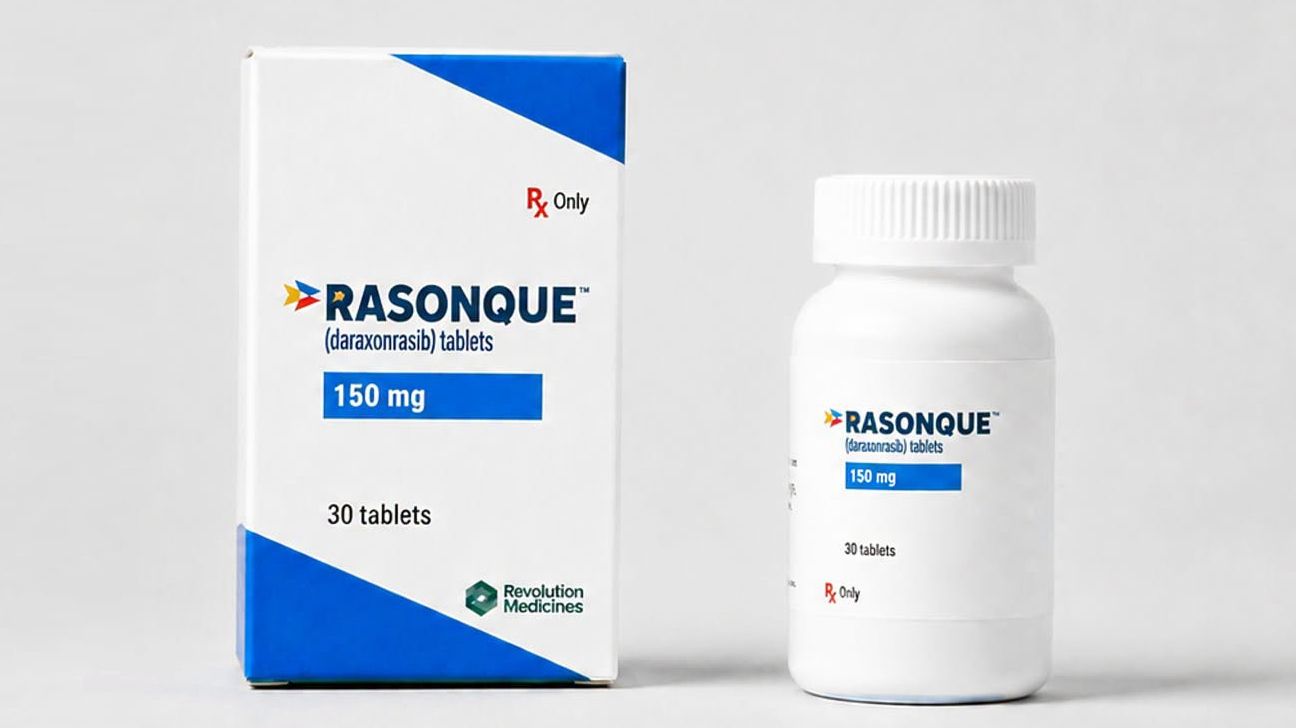
# FDA Approves Rasonque, a Breakthrough Treatment for Metastatic Pancreatic Cancer
The Food and Drug Administration has approved Rasonque, a new targeted therapy for patients with metastatic pancreatic cancer. This approval represents a rare advance for one of the deadliest cancers, where treatment options have remained limited for decades.
Pancreatic cancer kills approximately 47,000 Americans annually, making it the third leading cause of cancer death in the United States. Metastatic pancreatic cancer, where the disease has spread beyond the pancreas, carries a median survival of just 8 to 12 months with standard chemotherapy. The disease progresses aggressively and responds poorly to conventional treatments, leaving patients and oncologists desperate for alternatives.
Rasonque targets a specific genetic mutation found in pancreatic tumors. The drug works by inhibiting a protein that drives cancer cell growth in patients with this mutation. By focusing on this molecular pathway, Rasonque offers a precision medicine approach that differs fundamentally from traditional chemotherapy, which damages cancer cells without distinguishing them from healthy tissue.
The FDA's breakthrough therapy designation accelerated Rasonque's review and approval process. This pathway exists specifically for drugs that show promise in treating serious or life-threatening conditions where there are no adequate alternatives. The agency granted this status based on clinical trial data demonstrating the drug's ability to slow tumor growth and extend survival in eligible patients.
Clinical trials showed that patients receiving Rasonque experienced longer progression-free survival compared to historical controls. Progression-free survival measures how long patients remain stable without their cancer worsening. The response rates and durability of response in trial participants exceeded what researchers expected from standard treatments in this population.
Oncologists stress that Rasonque works only for patients whose tumors carry the specific genetic alteration the drug targets. This makes genetic testing essential before treatment begins. Not all patients with metastatic pancreatic cancer will qualify for this therapy. Those who do carry the mutation gain access to a treatment designed specifically for their cancer's biology.
Common side effects observed during trials include fatigue, nausea, and changes in liver function. Healthcare providers will monitor patients regularly for these and other adverse effects. The drug requires careful dosing and periodic assessment to ensure safety and efficacy.
Access to Rasonque through insurance coverage will depend on individual policies and whether the drug meets specific approval criteria in each case. Some patients may face barriers obtaining the medication despite FDA approval. Patient assistance programs from the drug manufacturer may help eligible individuals afford treatment.
Researchers expect Rasonque's approval to encourage development of additional targeted therapies for pancreatic cancer. The drug validates the precision medicine approach for this previously intractable disease. Other companies may accelerate their own targeted agents into clinical trials.
For patients with metastatic pancreatic cancer carrying the qualifying mutation, Rasonque offers something previously unavailable: a treatment designed to attack their specific cancer biology. While no single drug cures metastatic pancreatic cancer, Rasonque provides a meaningful new option that extends survival and offers patients more time with their families and loved ones.