# Cock Rings: What Sex Experts Say About Their Effectiveness and Safety
Cock rings represent one of the most accessible sexual wellness tools available to men seeking to enhance erection quality and orgasm intensity. Unlike medications or invasive procedures, these devices work through a simple mechanism that sex therapists and urologists have studied for decades.
The basic principle is straightforward. A cock ring restricts blood outflow from the penis while allowing arterial blood to flow in, creating a firmer, longer-lasting erection. This mechanism works because erections depend on blood filling the corpus cavernosum, the spongy tissue inside the penis. By maintaining higher blood volume in that tissue, the ring sustains rigidity and delays orgasm by reducing sensitivity.
Sex educators and clinical practitioners recommend cock rings for several populations. Men experiencing erectile dysfunction benefit from the mechanical support, particularly those managing diabetes or cardiovascular conditions that compromise natural blood flow. Partners seeking extended penetration appreciate the delayed-orgasm effect. Healthy men simply wanting intensified sensation find the heightened awareness valuable.
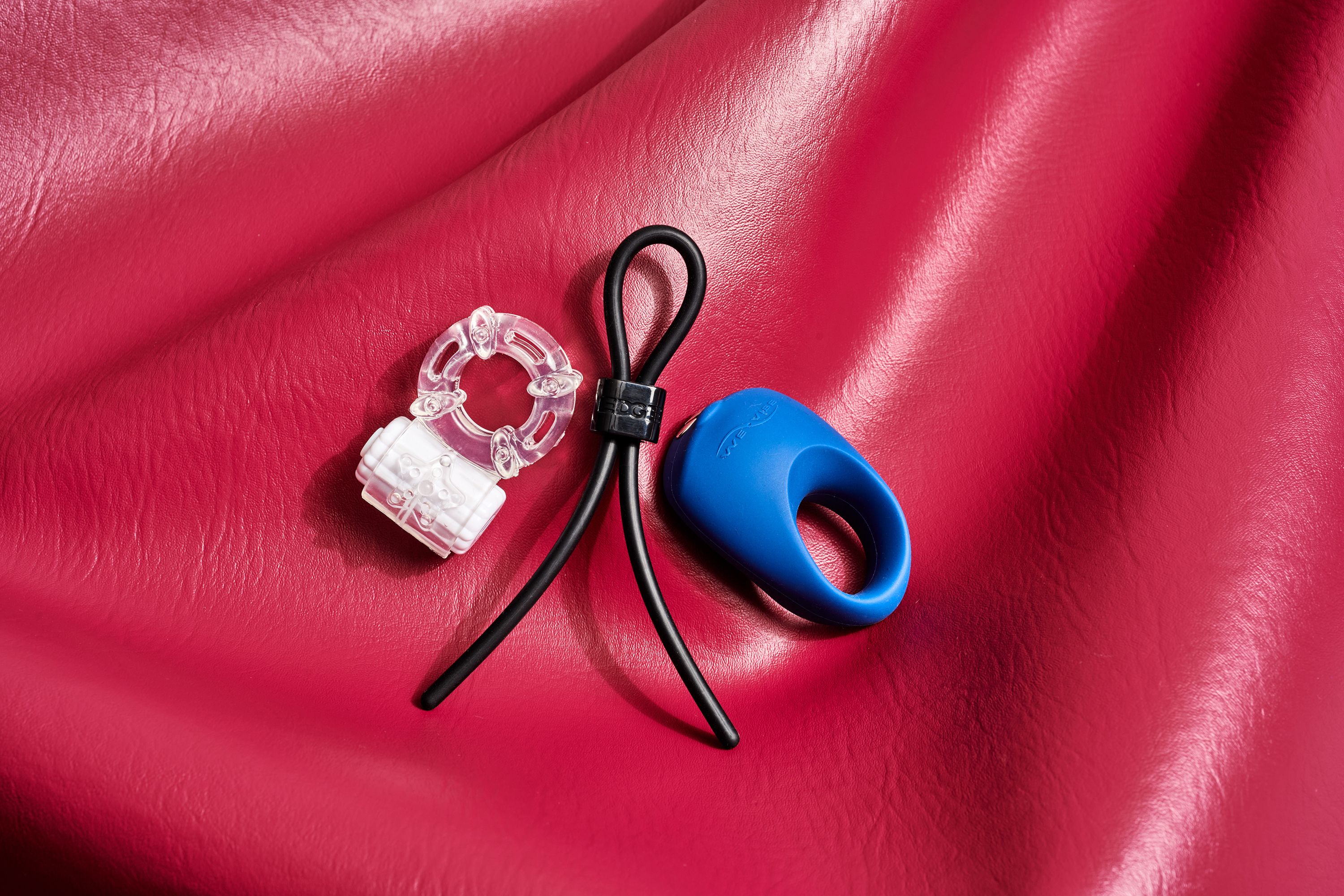
The category breaks into distinct types, each with different mechanics and comfort profiles. Vibrating rings combine the constriction benefit with clitoral stimulation for partners. Silicone rings offer adjustable pressure and durability. Metal rings provide maximum support but require careful sizing. Adjustable rings with snaps or closures allow men to customize tension without removing the device. Penis rings with testicle loops add an additional sensation point.
Choosing correctly matters for comfort and safety. A ring that fits too tightly risks nerve damage, reduced sensation, or pain. Too loose, and it provides minimal benefit. Sex therapists recommend measuring the flaccid penis diameter and consulting manufacturer sizing charts before purchasing. Starting with adjustable or soft silicone options allows men to experiment with pressure levels safely.
Materials vary in quality and maintenance needs. Medical-grade silicone withstands temperature changes and cleans easily with soap and water. Stainless steel demands careful handling but lasts indefinitely. Rubber and latex versions offer affordability but degrade faster. Vibrating rings require battery management and waterproof considerations.
Duration of use shapes safety protocols. Sex experts recommend limiting continuous wear to 20-30 minutes initially, extending gradually as comfort increases. Removing the ring immediately after orgasm prevents prolonged constriction. Men should inspect their penis afterward for color changes, numbness, or skin irritation, all signs that pressure was excessive.
Medical practitioners caution against use for certain populations. Men with penile implants, severe Peyronie's disease, or active urinary tract infections should consult urologists first. Those taking blood thinners need physician clearance. Diabetics using rings should monitor for nerve damage symptoms carefully.
The evidence supporting cock rings comes from sexual medicine literature showing improved erection rigidity and partner satisfaction in studies tracking men with and without devices. The psychological component matters too. Knowing you have mechanical support often reduces performance anxiety, which itself improves erectile function.
Quality varies substantially across brands. Men's Health and similar publications recommend options from established sexual wellness companies offering transparent materials information, clear sizing guidance, and satisfaction guarantees. Reading user reviews specific to penis size and sensitivity helps identify products matching individual anatomy.
Starting with a lower-cost silicone option allows experimentation without significant financial commitment. Many men find basic designs work as effectively as premium alternatives. The priority remains proper fit and awareness of individual comfort and safety limits.