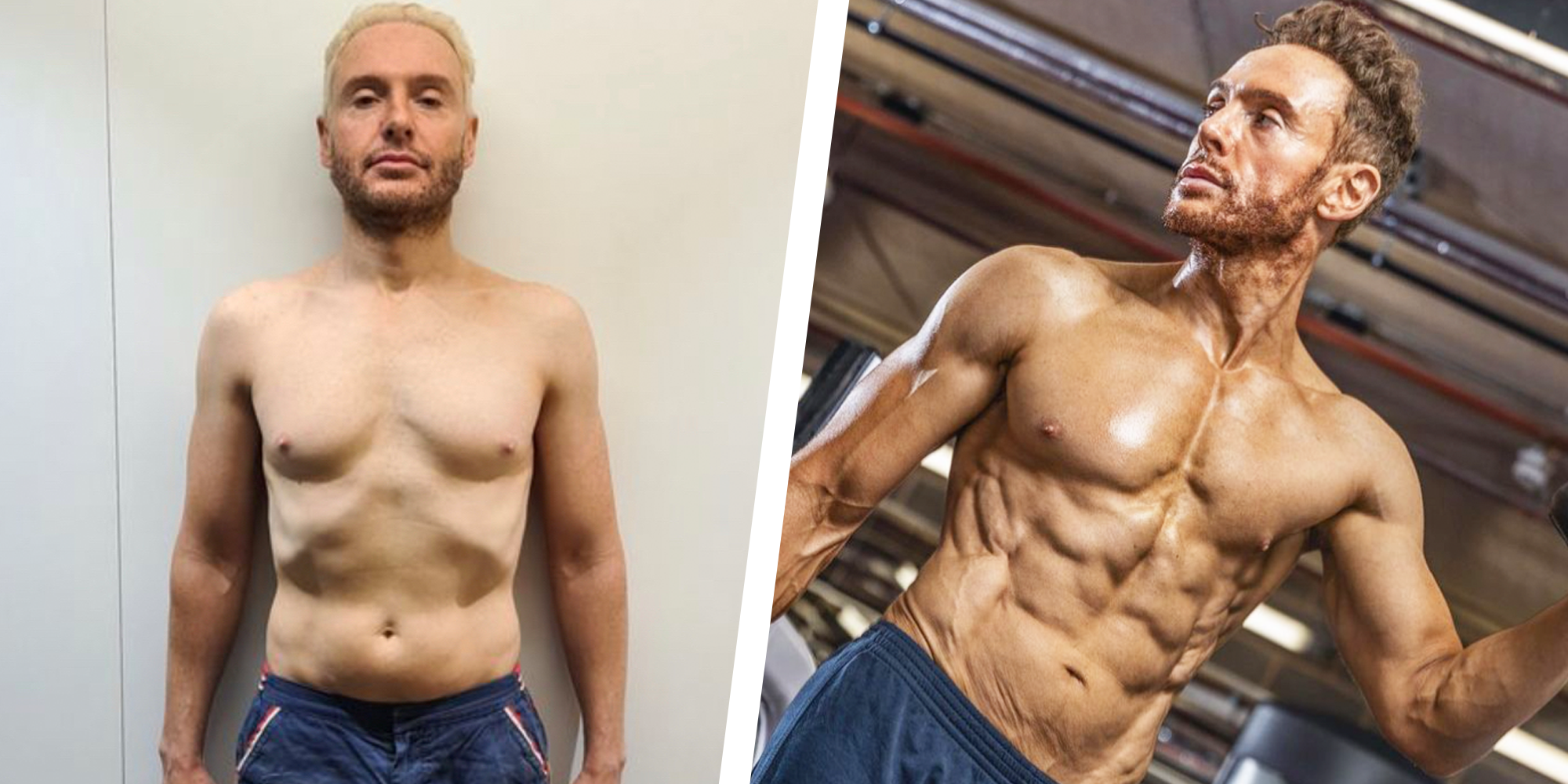
# How One Man Transformed His Body in 12 Weeks, and What the Science Says About Rapid Fat Loss
A Men's Health contributor shares his journey from pandemic weight gain to visible abdominal definition in just 12 weeks. While personal transformation stories inspire many readers, the science behind rapid fat loss reveals both what's possible and what's sustainable.
The contributor gained weight during lockdown, a pattern documented across populations during 2020 and 2021. The CDC reported that Americans gained an average of 1.5 pounds per month during the pandemic's first year. Reversing that gain quickly became his goal, and he succeeded in three months. But here's what matters: how he did it, and whether the results stick.
Rapid fat loss follows basic thermodynamic principles. To lose one pound of body fat, a person must create a deficit of approximately 3,500 calories. Over 12 weeks, losing visible abdominal fat typically requires a deficit of 500 to 750 calories daily through diet and exercise combined. Research from the Journal of Obesity confirms that people lose fat fastest when they combine resistance training with cardiovascular work and reduce calorie intake strategically.
Visible abs appear when body fat percentage drops below 15 percent for most men. This requires discipline but remains achievable for previously sedentary individuals who've gained significant weight. Someone starting at 25 percent body fat can reach 15 percent in 12 weeks through consistent effort. The metabolic advantages of coming from a higher baseline mean initial weight loss comes faster than when someone already leans out further.
The mental shift the contributor mentions holds real importance. Psychologist Kelly McGonigal, who studies motivation and behavior change, notes that early wins in a fitness program create dopamine responses that reinforce positive habits. Seeing abdominal definition after weeks of consistent training provides tangible proof of progress, which strengthens commitment to continued effort.
However, the 12-week transformation narrative carries limitations worth understanding. Studies tracking participants after rapid fat loss programs show that 40 to 60 percent of weight loss gets regained within three years without ongoing lifestyle changes. The American College of Sports Medicine recommends losing 1 to 2 pounds weekly as the sustainable rate. Faster loss can trigger metabolic adaptation, where the body demands more calories as it attempts to defend its previous weight set point.
Muscle preservation matters during rapid fat loss. Protein intake becomes critical. Research published in the International Society of Sports Nutrition recommends consuming 0.7 to 1.0 grams of protein per pound of body weight daily when in a calorie deficit. Without adequate protein, the body breaks down muscle tissue alongside fat, which undermines the appearance and metabolic health benefits of the transformation.
The contributor's success likely involved multiple factors: structured resistance training to maintain muscle, increased protein intake, consistent calorie tracking, and cardiovascular work. These elements work together, not separately. One element missing frequently derails transformations. Genetics also plays a role. Some men's bodies reveal abdominal definition at slightly higher body fat percentages than others.
Personal transformation stories serve a purpose. They demonstrate that change happens through action. But they also require context. Twelve weeks represents the beginning of habit formation, not the endpoint of a journey. The real test comes afterward. Does the contributor maintain his training? Has his relationship with food fundamentally shifted? Can he sustain the discipline that created the transformation?
His mental shift may prove more valuable than his physical one. Body composition changes when behaviors change consistently. Lasting results follow mental commitment, not the reverse.