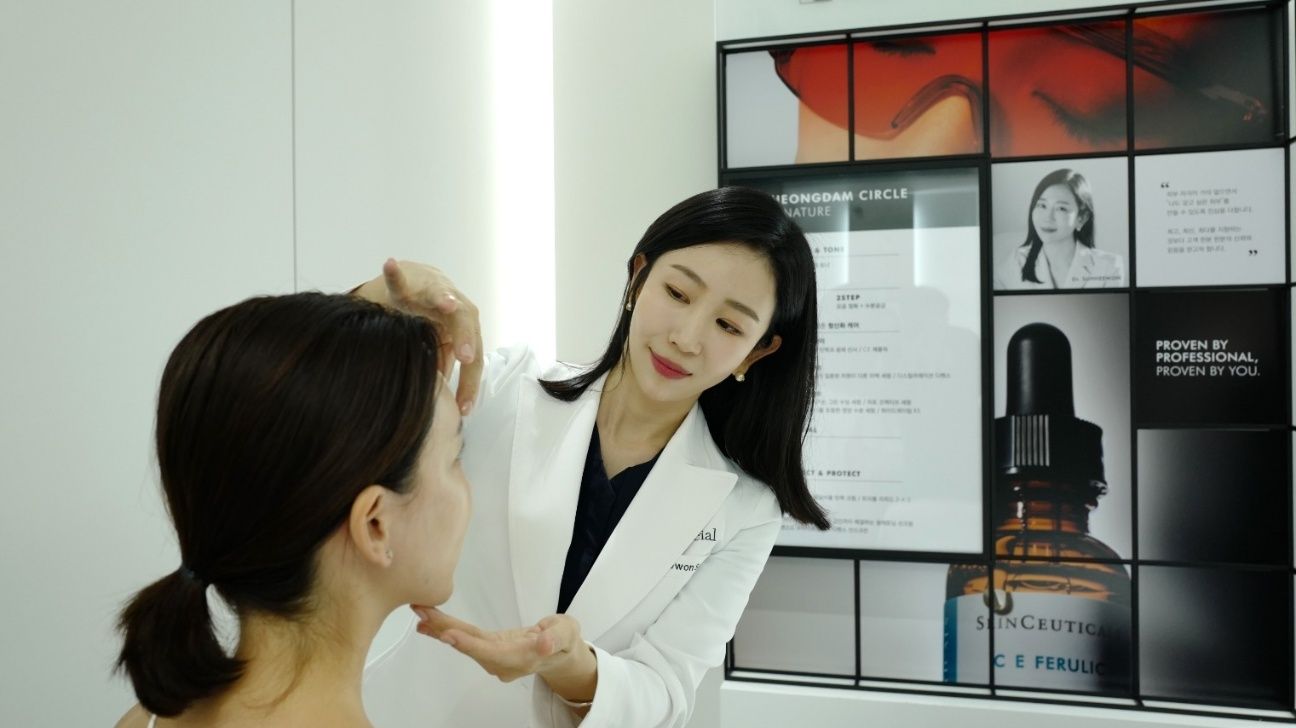
# K-Beauty Procedures Require Research, Not Just Wanderlust
South Korea has become a global destination for cosmetic procedures, from skin treatments to surgical enhancements. Before booking a flight and appointment, you need to vet clinics and practitioners with the same rigor you'd apply to finding a doctor at home.
Dr. David Kim, an aesthetic medicine specialist based in California, emphasizes that traveling for cosmetic work introduces distinct risks. Language barriers, time zone differences, and distance from your regular healthcare provider complicate aftercare and emergency follow-up. These factors don't disqualify medical tourism, but they demand careful vetting beforehand.
Start by verifying credentials. Ask whether practitioners hold board certifications from recognized organizations. In South Korea, legitimate aesthetic doctors complete medical school and specialized training in dermatology or plastic surgery. The Korean Medical Association maintains registries you can check. Request before-and-after photos from actual patients, not stock images. Published results from multiple procedures show consistency and skill.
Clinic accreditation matters more than hype. Seek facilities with ISO certification or membership in professional organizations like the Korean Association of Aesthetic Plastic Surgeons. These accreditations indicate adherence to safety standards, sterilization protocols, and equipment maintenance. Budget clinics sometimes cut corners on these measures.
Research the specific procedure you want. Different techniques carry different complication rates. For instance, non-invasive treatments like chemical peels or laser therapies generally pose fewer risks than surgical procedures. Know what complications can occur, even with skilled practitioners. Ask your chosen clinic about their complication rates and how they handle problems.
Schedule a consultation before traveling, even if virtual. A responsible practitioner spends time understanding your goals, skin type, and medical history. They explain realistic outcomes and won't promise dramatic transformations. Red flags include practitioners who rush consultations, dismiss your concerns, or guarantee perfection. They should discuss risks openly.
Verify that your chosen clinic can provide detailed aftercare instructions in English or your preferred language. Follow-up complications can happen weeks after treatment. Having clear written guidance on wound care, sun protection, activity restrictions, and when to seek help protects your results. Ask whether the clinic offers remote follow-ups or has partnerships with practitioners in your home country.
Insurance and payment carry legal weight. Reputable clinics provide itemized invoices detailing exactly what procedure you received and what was used. Never pay the full fee upfront. Standard practice involves a deposit, with final payment after treatment. Understand refund policies if you cancel.
Consider timing carefully. Building in buffer days allows you to recover before flying home. Long flights immediately after procedures increase blood clot risk and can compromise results through swelling and pressure. Plan to stay at least five to seven days depending on the treatment.
Talk to your primary care doctor before leaving. Share information about the procedure, clinic, and practitioner. Your regular physician needs to know what to expect during recovery and can watch for unusual complications when you return.
K-Beauty clinics offer excellent results for many people, but tourism requires due diligence. The allure of affordable procedures in trend-setting clinics matters less than choosing safe, skilled practitioners who prioritize your specific needs and long-term outcomes.