# Low Light Exposure During Sleep May Increase Heart Disease Risk
Nighttime light exposure, even at low levels, correlates with higher rates of heart failure and atrial fibrillation, according to new research presented at the American Heart Association's Scientific Sessions in 2024.
Researchers examining data from over 170,000 participants found that people exposed to even modest amounts of light during sleep showed elevated cardiovascular risk. Those with the highest nighttime light exposure faced a 55% increased risk of heart failure and a 26% increased risk of atrial fibrillation compared to those sleeping in the darkest conditions.
The study tracked light exposure throughout the night using wearable devices and satellite data to measure ambient bedroom lighting. Participants ranged from those in nearly complete darkness to those exposed to lighting equivalent to a dimly lit room. Even this lower-level exposure produced measurable health effects.
Dr. Phyllis Zee, a sleep and circadian researcher at Northwestern University, has documented how light disrupts the body's natural rhythm. Light signals tell your brain it is daytime, suppressing melatonin production and activating your sympathetic nervous system. This state of heightened alertness raises heart rate and blood pressure. During sleep, your cardiovascular system should rest and recover. Light exposure prevents this restoration.
The mechanism operates through circadian disruption. Your circadian rhythm, the internal 24-hour clock governing sleep, hormone release, and organ function, depends on light cues. When light enters your eyes at night, it throws this system out of sync. Your heart does not receive the signal to lower its workload. Blood pressure remains elevated. Inflammation increases. Over time, these repeated nightly stresses accumulate.
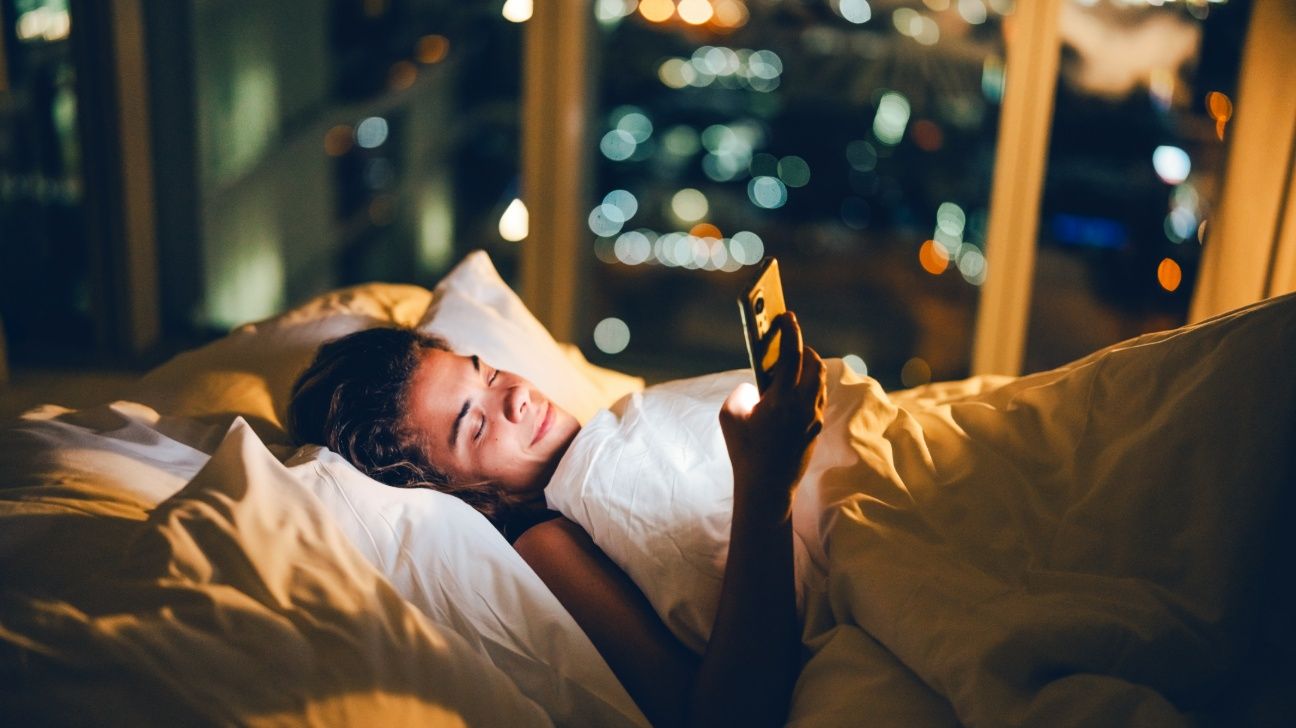
People sleeping with televisions on, smartphones nearby, alarm clock displays, or streetlights filtering through windows face this risk. The study suggests that even light sources people consider minor contributors to a dark sleep environment matter for heart health.
The findings arrive as circadian science gains recognition in cardiology. The American Heart Association now emphasizes sleep quality as essential to cardiovascular wellness, alongside exercise and diet. Sleep disorders like sleep apnea already carry known heart disease links. Light-induced circadian disruption operates through different pathways but produces similar outcomes.
Practical steps reduce nighttime light exposure. Blackout curtains block external light. Removing devices from bedrooms eliminates screens and indicator lights. If you need a nightlight, amber or red wavelengths disrupt circadian rhythms less than blue light. Eye masks provide portable darkness for travel or partners who prefer ambient light.
People with existing heart conditions, those with atrial fibrillation, or those with a family history of heart disease should pay particular attention to their sleep environment. Creating absolute darkness costs little and requires no medication or behavior change beyond basic sleep hygiene adjustments.
The research reinforces what sleep specialists have long advised: optimize your bedroom for sleep. Darkness ranks alongside temperature control and noise reduction as fundamental to restorative rest. For your heart, what happens during sleep matters as much as what you do while awake.