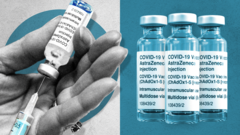
# Vaccine Damage Compensation Scheme Costs Surge Beyond Victim Payouts
The UK's Vaccine Damage Payment Scheme faces a serious cost imbalance. Administrative and medical expenses now exceed £83 million, more than double the compensation actually distributed to people harmed by vaccines, new government figures reveal.
The scheme exists to compensate individuals who suffer severe adverse reactions from vaccines given as part of national immunization programs. Since its creation in 1979, the program has paid out roughly £40 million to affected people. Yet the bureaucratic machinery supporting it costs nearly twice that amount.
This disparity raises questions about resource allocation within a system designed to help vulnerable people. The scheme operates as a no-fault compensation program, meaning claimants don't need to prove negligence. Instead, applicants must demonstrate that a vaccine caused severe disability or death. The burden falls on the individual to navigate medical evidence and administrative processes.
The high cost of medical assessments appears central to the spending surge. Determining causation between a vaccine and reported symptoms requires detailed clinical evaluation from independent medical experts. These assessments are expensive and time-intensive. The scheme employs medical advisors to review each case, creating significant overhead.
Administrative costs compound the problem. Staff manage thousands of claims, process paperwork, and coordinate between claimants, medical professionals, and government agencies. The bureaucratic apparatus created to protect the scheme's integrity also consumes resources that might otherwise reach recipients.
Recent years have seen increased awareness of vaccine safety concerns, driving more applications. Between 2020 and 2023, the scheme received a surge in claims related to COVID-19 vaccines specifically. While most applications remain unproven, the volume increases administrative workload and medical review requirements.
The efficiency question becomes more pressing given limited public health budgets. For every pound paid to a victim, the system spends roughly two pounds on administrative and medical processes. This ratio differs sharply from many other compensation schemes, where overhead typically runs lower.
Parliament's Public Accounts Committee has raised concerns about the scheme's operation in previous inquiries. Investigators noted lengthy delays in claims processing, with some applicants waiting years for decisions. These delays extend the time people live with disability while awaiting compensation.
Reforming the scheme's structure could improve outcomes for claimants. Streamlining medical assessment processes, reducing paperwork requirements, or simplifying eligibility criteria might redirect more money toward victims. Some advocates argue the current system prioritizes administrative caution over timely support for people already suffering vaccine-related harm.
The figures come at a time when vaccine confidence remains fragile in parts of the UK population. Demonstrating that the compensation system works fairly and efficiently could help rebuild public trust in immunization programs. When people know a legitimate safety net exists, vaccination uptake often increases.
The Department of Health and Social Care oversees the scheme. Officials have not announced immediate reforms, though scrutiny of these figures will likely intensify in parliamentary discussions about public health spending priorities.