# Thoughtful Stocking Stuffers for Women: Beyond the Generic Gift
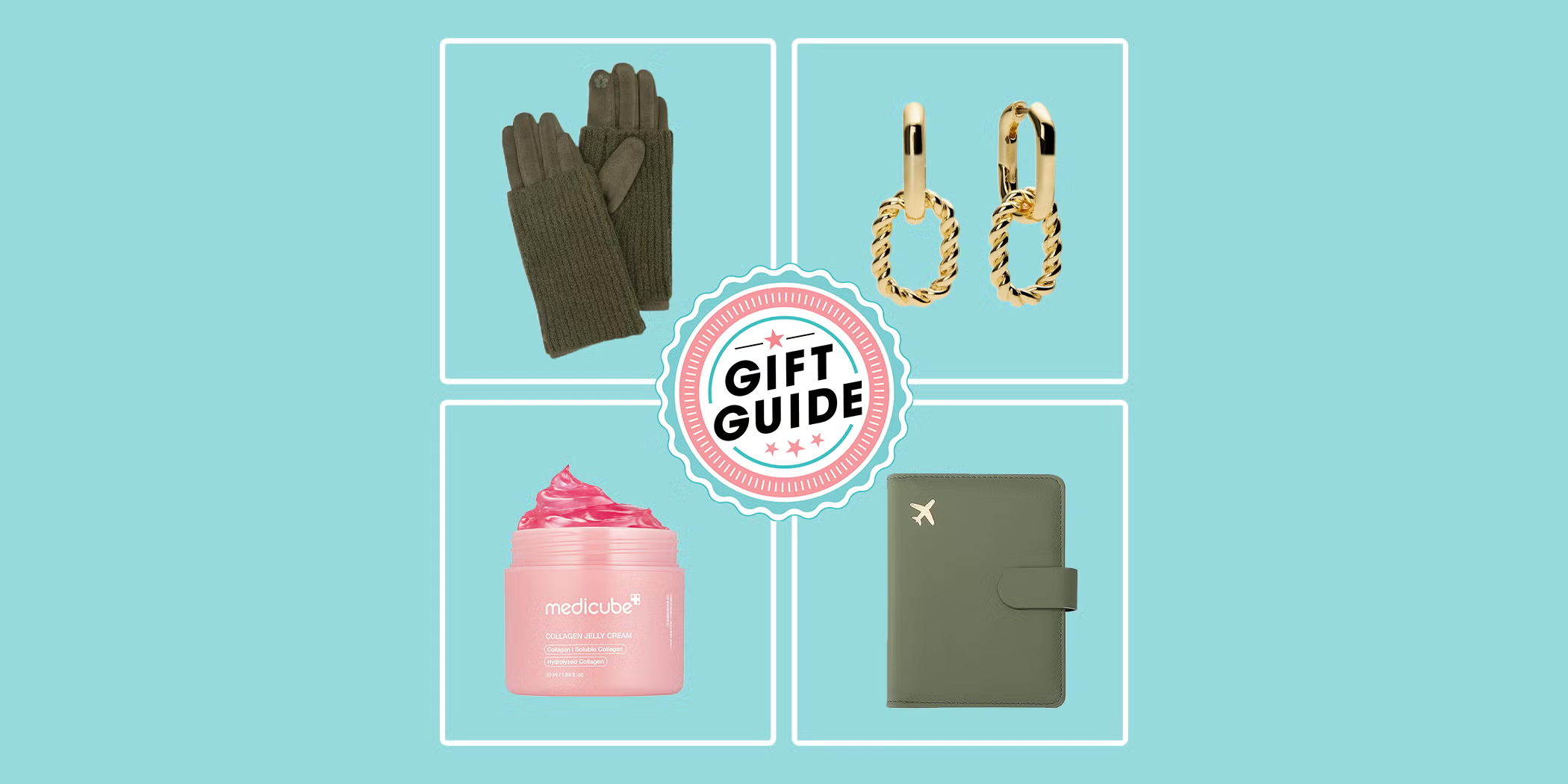
Stocking stuffers offer a chance to personalize gifts in ways that reflect individual preferences and self-care values. Prevention's curated list acknowledges that women's gift preferences span practical comfort items to luxury accessories, each serving a different wellness or lifestyle need.
The appeal of stocking stuffers lies in their scale. Small gifts eliminate pressure for grand gestures while allowing givers to demonstrate attention to detail. A woman who prioritizes comfort might appreciate quality socks designed for specific activities, whether lounging at home or athletic pursuits. Those socks aren't trivial. Research on tactile comfort shows that quality materials directly influence daily mood and stress levels through sensory experience. When your feet feel supported and warm, your nervous system registers safety.
Luxury items in smaller formats, like jewelry or skincare products, serve dual purposes. They function as tangible acts of care while potentially supporting wellness routines. High-quality lip balms, face masks, or hand creams encourage consistent self-care habits. Small rituals build consistency. Someone who receives a luxe moisturizer is more likely to establish a skincare routine than someone without the prompt.
The "treat" framing matters psychologically. Categorizing items as treats, rather than necessities, shifts their emotional weight. Receiving a small indulgence signals that the recipient deserves pleasure outside obligation. This distinction supports mental health by reinforcing self-worth and permission to enjoy life beyond productivity.
When selecting stocking stuffers, consider the recipient's actual lifestyle. A woman who works at a desk benefits from ergonomic tools or items that support focus and comfort during long hours. Someone managing chronic stress might value aromatherapy items or fidget tools that support nervous system regulation. Athletic women appreciate performance-oriented accessories. Those focused on sleep quality respond to items that enhance rest environments.
Prevention's approach suggests diversity within personalization. Rather than defaulting to generic categories like "beauty" or "wellness," the list apparently recognizes that individual women have varied interests and self-care philosophies. A woman might love cozy socks and jewelry equally, or prefer neither in favor of book-related items or practical desk accessories.
The stocking stuffer format also reduces decision fatigue for givers. Instead of selecting one major gift, which requires high-stakes guessing about preferences, multiple smaller items create opportunities for variety. If one item misses, others hit. This approach acknowledges that gift-giving carries emotional weight for both giver and receiver.
Stocking stuffers work best when they reflect genuine observation. The most meaningful small gifts respond to specific things the recipient has mentioned, items they use regularly, or gaps in their current routine. A woman who mentions loving tea receives better service from a luxury tea sampler than from generic spa items. Someone who describes their feet as always cold appreciates premium socks more than most people.
Quality matters at every price point. Inexpensive stocking stuffers often feel thoughtless because they're cheaply made. Small items with genuine craftsmanship signal that the giver invested care, not just money. This distinction resonates emotionally far more than price tags suggest.
The best stocking stuffers ultimately support how women actually live, not how they think they should live. They encourage existing routines, introduce new small rituals, or simply provide consistent daily pleasure through quality and attention to detail.