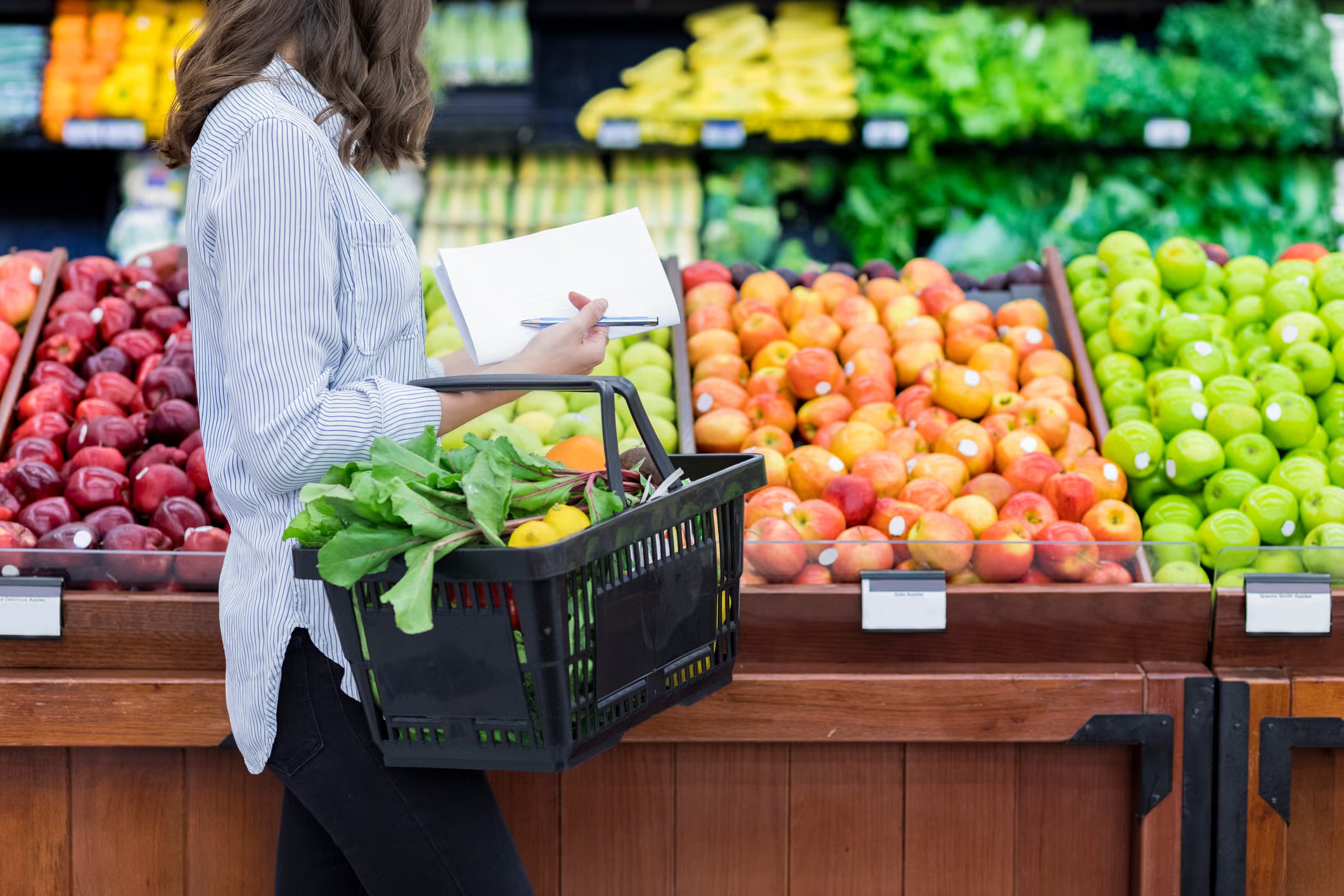
# How Fresh, Frozen, and Canned Produce Compare for Your Health
Most people assume fresh produce sits at the top of the nutritional hierarchy. Frozen vegetables seem like a distant second. Canned fruits and vegetables rank even lower in the public imagination. Registered dietitian nutritionists say this hierarchy doesn't reflect reality.
Fresh produce loses nutrients from the moment it's harvested. Every day it sits in your refrigerator or on a store shelf, degradation accelerates. Light, heat, and oxygen all break down vitamins and minerals. Vitamin C diminishes particularly fast. A study published in the Journal of the Science of Food and Agriculture found that fresh spinach loses about 50 percent of its folate within a week of purchase.
Frozen produce tells a different story. Farmers harvest frozen vegetables and fruits at peak ripeness, then freeze them immediately. This process halts nutrient loss almost entirely. The freezing itself doesn't destroy nutrients. In many cases, frozen produce retains more vitamins and minerals than fresh produce sitting in your crisper drawer for several days. Research from the University of Chester found frozen berries contained similar or higher levels of antioxidants compared to fresh berries.
Canned produce ranks higher than most people realize. The canning process heats vegetables and fruits, which can reduce some water-soluble vitamins like vitamin C. However, this process doesn't eliminate nutrient value entirely. Canned tomatoes, for instance, retain their lycopene content. Some studies show canned tomatoes have more bioavailable lycopene than fresh tomatoes because the heat breaks down cell walls, making the compound easier for your body to absorb. Canned vegetables also typically contain sodium, which concerns some people, though low-sodium options exist.
Dietitian nutritionists emphasize that the best produce is the kind you actually eat. If you're more likely to prepare frozen broccoli than fresh broccoli that wilts in your fridge, frozen wins. If canned beans make it easier to prepare weeknight dinners, that matters more than a marginal nutrient difference.
Practical strategies emerge from this research. Buy fresh produce only when you plan to use it within a few days. Stock your freezer with frozen vegetables and fruits for convenience and nutrient preservation. Keep canned vegetables on hand for quick meals. Combining all three forms throughout your week ensures steady vegetable and fruit consumption without waste.
The real nutritional advantage comes from eating adequate produce consistently. Whether that produce is fresh, frozen, or canned matters far less than eating it regularly. A person who eats frozen mixed vegetables every day outperforms someone who buys expensive fresh produce that spoils before consumption. Registered dietitians consistently recommend finding forms of produce that fit your lifestyle and budget, then committing to eating them.