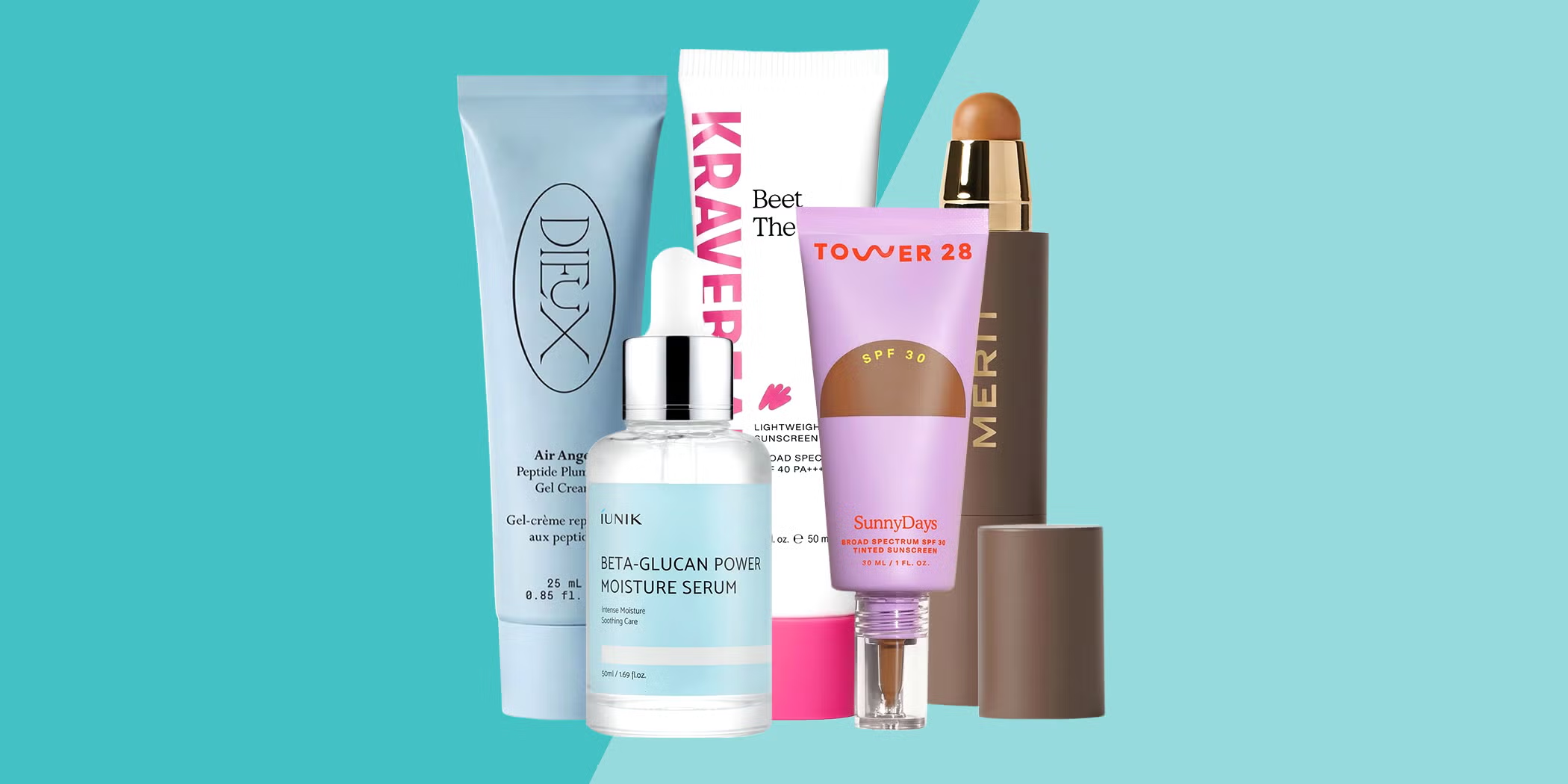
# The 10 Best Skincare Brands for Sensitive, Acne-Prone Skin, According to Beauty Editors
Finding effective skincare when you have sensitive, acne-prone skin requires navigating a minefield of potential irritants. Fragrances, essential oils, heavy occlusives, and harsh actives can trigger inflammation, barrier damage, and breakouts. Prevention's beauty editors have identified ten brands that prioritize gentle formulations without sacrificing efficacy.
The challenge with reactive skin lies in balancing two competing needs: treating acne while protecting a compromised skin barrier. Many acne-fighting ingredients like benzoyl peroxide, salicylic acid, and retinoids carry inherent drying and irritating potential. Brands specifically formulated for sensitive acne-prone skin address this tension through thoughtful ingredient selection and lower concentrations of actives.
Dermatologists recommend looking for fragrance-free products, minimal preservative systems, and ingredients with strong safety profiles in sensitive skin populations. The American Academy of Dermatology notes that people with acne-prone skin also frequently experience sensitivity, making dual-action formulations valuable.
Effective formulas for this skin type typically include:
Gentle exfoliants like polyhydroxy acids (PHAs) instead of harsher scrubs or high-concentration salicylic acid. PHAs work similarly to traditional chemical exfoliants but break down more slowly, reducing irritation potential. Niacinamide, which strengthens the skin barrier while reducing sebum production and inflammation. Azelaic acid, used in dermatology for rosacea and acne rosacea, addresses both sensitivity and breakouts. Barrier-supporting ingredients like ceramides, centella asiatica, and hyaluronic acid. These restore the protective lipid layer that becomes compromised during breakouts and inflammatory responses.
The brands curated by Prevention's editors balance clinical efficacy with skin-friendly formulations. Rather than aggressive multi-active combinations, these lines emphasize strategic ingredient pairing and appropriate concentrations calibrated for sensitive skin.
When shopping for your skin type, dermatologists recommend introducing one new product every two weeks to isolate potential triggers. Those with sensitive, acne-prone skin should patch test on the inner arm or behind the ear before applying to the face. Reactions can take 24 to 48 hours to develop, so patience remains essential.
Another consideration involves the overall routine architecture. Using too many products simultaneously, even gentle ones, can overwhelm reactive skin. A simplified routine of cleanser, targeted treatment, moisturizer, and sunscreen often outperforms elaborate multi-step regimens for sensitive skin. Sunscreen becomes non-negotiable since many acne treatments increase photosensitivity.
Prevention's recommendations reflect a broader shift in skincare toward minimalism and evidence-based formulation rather than ingredient complexity. The best skincare brands for sensitive, acne-prone skin demonstrate restraint in their product design. They recognize that less irritation drives better adherence, faster results, and sustainable long-term skin health. Starting with these vetted options provides a reliable foundation for building an effective routine tailored to your specific needs.