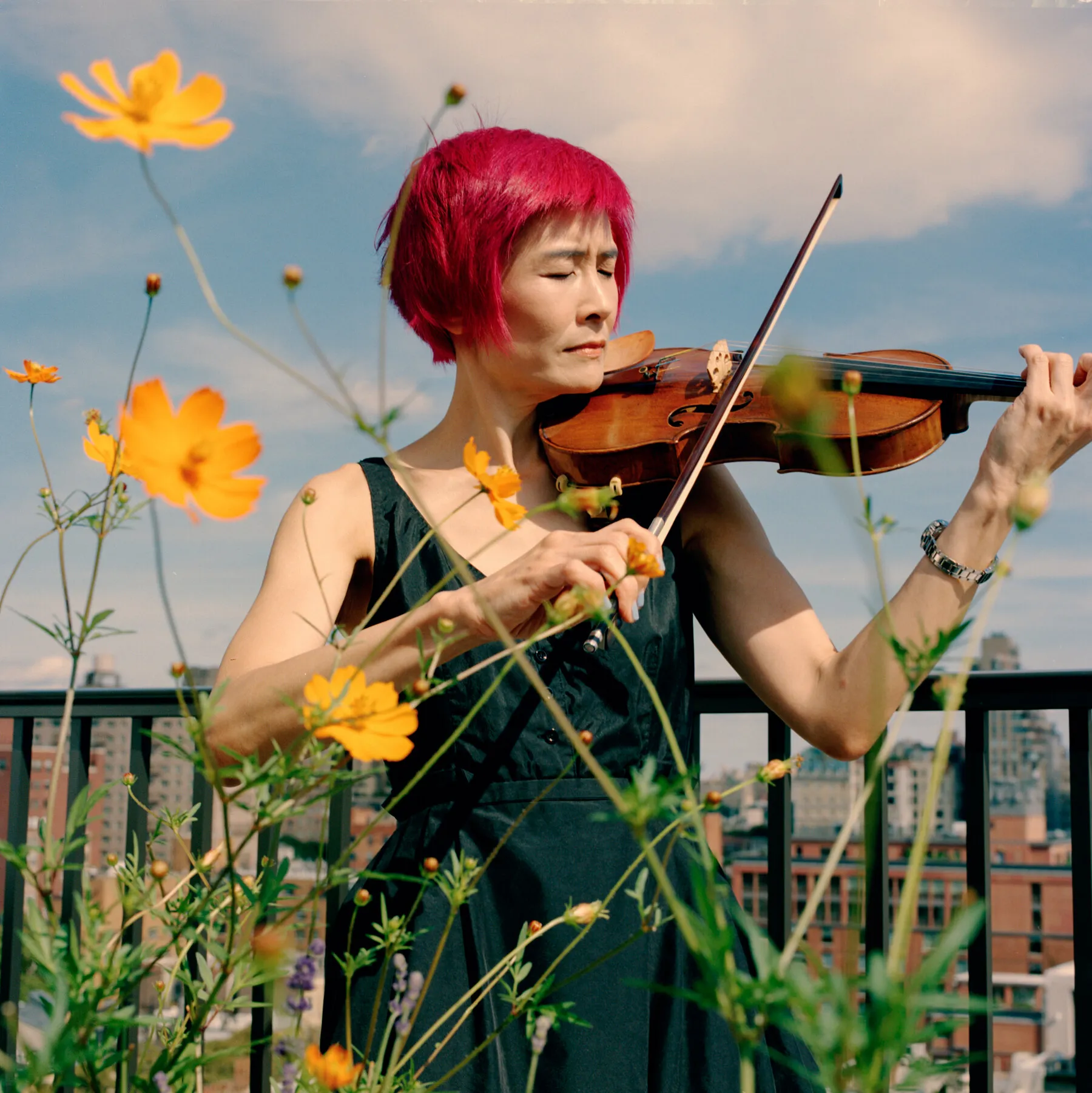
# A Decade in the Dark: Violinist Jennifer Koh's Battle With Rare Neurological Disease
Jennifer Koh, one of the world's most accomplished violinists, spent ten years unable to name the condition destroying her ability to perform. The internationally acclaimed musician faced a medical mystery that doctors couldn't solve, all while maintaining her demanding concert schedule through sheer determination and pain.
Rare neurological disorders pose a particular diagnostic challenge. They affect small populations, meaning most physicians encounter them rarely or never. Patients often visit multiple specialists before finding answers. Koh's decade-long journey reflects a common pattern in medicine: when a condition is uncommon, it remains uncommon in doctors' minds, even when symptoms present clearly.
The experience carries profound implications for performing artists. Musicians depend on precise neurological control. A slight tremor, loss of sensation, or motor dysfunction can end careers. Unlike other professions where symptoms might be managed quietly, musicians perform in front of audiences. Every performance becomes a public test of bodily control. For Koh, continuing to perform while undiagnosed meant pushing through deteriorating physical function with no clear timeline for improvement or even understanding of what was happening.
Rare disease diagnosis typically relies on patient advocacy and persistence. Koh's case illustrates why many people with rare conditions become expert researchers of their own illness. When medical professionals cannot identify a problem, patients often educate themselves, connect with online communities, and cross-reference their symptoms against obscure medical literature. This self-directed investigation complements clinical expertise rather than replacing it, but it highlights gaps in medical education around uncommon conditions.
The psychological toll of undiagnosed illness extends beyond physical symptoms. Living with unexplained neurological changes creates uncertainty about the future. Will the condition progress? Can I continue my career? Will treatment eventually arrive? These questions compound daily for someone whose profession depends on their nervous system functioning flawlessly.
Koh's story also reveals how artists navigate disability within demanding professional environments. Classical music performance carries expectations of perfection. Acknowledging physical limitations or taking time away from performances remains taboo in some circles. Musicians often continue performing through injury and illness, partly from professional obligation and partly from the identity-level stakes involved. Your instrument and your ability to play it become inseparable from who you are.
The resolution of rare disease cases often involves luck, tenacity, and eventually finding the right specialist. Once diagnosed, treatment options may still be limited. Many rare conditions lack established therapies. Patients and doctors work together to adapt existing treatments or participate in experimental approaches. The journey from symptom to diagnosis represents only the beginning of a longer adaptation to living with chronic neurological illness.
Koh's willingness to discuss her decade-long struggle publicly helps other musicians and artists understand that hidden health battles are more common than visible. Her platform amplifies awareness that rare diseases exist, that diagnosis takes time, and that performing professionals face unique pressures when managing chronic illness. Her story validates the experiences of countless others navigating similar medical mysteries while trying to maintain their professional lives.