# A Neuropsychologist Reveals How One Popular Hobby Keeps Your Brain Sharp
Your brain works best when you challenge it regularly. A growing body of neuroscience research shows that engaging in cognitively demanding hobbies creates measurable improvements in mental sharpness, processing speed, and memory retention across the lifespan.
Neuropsychologists have long studied how different activities affect brain function. The mechanism is straightforward: when you push your brain into new or complex territory, you strengthen neural connections and build cognitive reserve, the brain's ability to improvise and find alternate ways of getting a job done when faced with damage or disease. This reserve becomes increasingly valuable as you age.
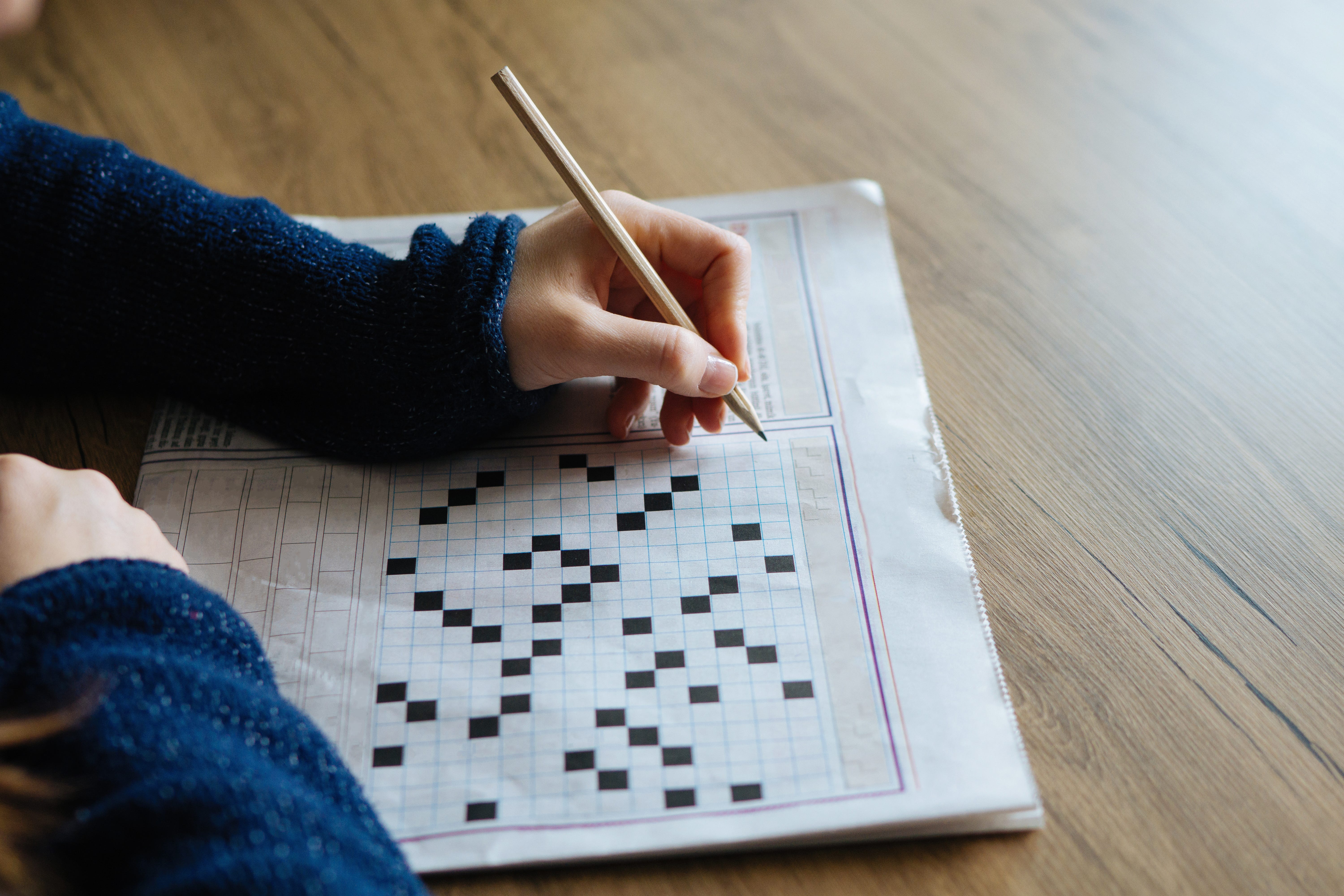
The research is clear on what works. Activities that require sustained attention, problem-solving, and pattern recognition consistently show the strongest benefits. These include pursuits like learning a musical instrument, playing chess, doing puzzles, learning a language, engaging in strategic games, or mastering a craft that demands precision and focus. Each of these hobbies forces your brain to form new neural pathways and strengthens existing connections.
What makes these activities particularly effective is their specificity. Generic mental exercise delivers minimal benefit. Your brain adapts quickly to routine tasks. The hobby must remain challenging and slightly uncomfortable. As you improve at chess, for instance, you need to play stronger opponents. As you advance in language learning, you need to tackle more complex material. This principle of progressive difficulty keeps your brain in what neuroscientists call "the learning zone."
Age matters less than consistency. Studies tracking adults from their 20s through their 80s show that people who maintain cognitively engaging hobbies throughout their lives preserve mental sharpness better than those who rely on passive entertainment or routine work. The benefit compounds over decades. Someone who spends 30 minutes daily on a challenging hobby builds substantially more cognitive reserve than someone who does it sporadically.
The timing of when you start also influences outcomes. Younger brains absorb new information more readily, but older brains show remarkable plasticity when given the right stimulus. Research published in neuroscience journals demonstrates that people who begin challenging cognitive hobbies in their 60s or 70s still gain measurable improvements in memory and processing speed within weeks.
Beyond raw cognitive performance, these hobbies offer secondary benefits. The focus required to master a challenging activity reduces rumination and anxiety. The sense of progress and mastery builds resilience. Social hobbies like group music lessons or chess clubs layer in the mood-boosting effects of connection.
The most practical takeaway involves matching the hobby to your interests and lifestyle. A hobby you resent becomes a chore and loses its neurological benefits. Something you genuinely enjoy remains sustainable long-term, which is where real brain benefits accumulate. Whether it's woodworking, photography, coding, gardening, or playing an instrument, the activity works best when it genuinely engages you.
Start wherever you are. A 45-year-old learning guitar from scratch builds the same neural benefits as a retiree beginning chess. Consistency matters far more than starting early. Your brain responds to the challenge you give it today.