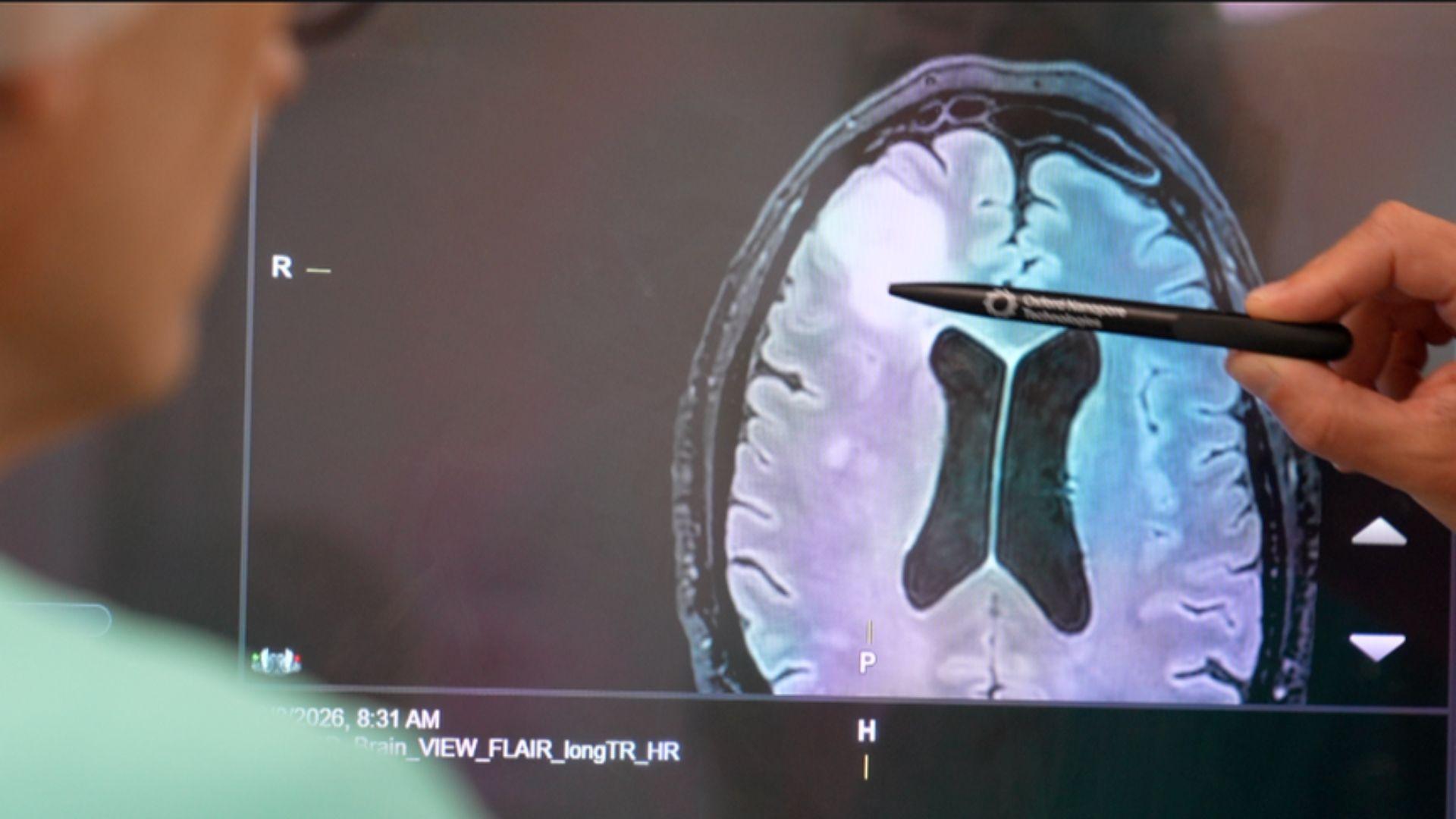
# Fast Brain Tumor Test Cuts Diagnosis Time From Weeks to Hours
The NHS has introduced a breakthrough diagnostic tool that transforms how clinicians identify brain tumours. The new test delivers accurate results in two hours, compared to the traditional eight-week timeline. This acceleration fundamentally changes the patient experience and clinical decision-making in neuro-oncology.
The test works by analyzing tissue samples in real time during surgery. Surgeons traditionally waited weeks for pathology labs to examine tumor samples under microscopes, classify the tissue type, and grade its aggressiveness. This delay forced patients into uncertainty and postponed treatment planning. The new rapid test eliminates that gap.
Brain tumor classification determines everything about a patient's treatment plan. Doctors need to know whether the tumor is benign or malignant, which cell type it originated from, and its grade of malignancy. These factors dictate whether patients receive surgery alone, radiation, chemotherapy, or combinations thereof. Waiting eight weeks for this information meant patients couldn't begin appropriate treatment immediately after surgery, wasting critical time when tumor cells continue dividing.
The technology uses intraoperative analysis, meaning pathologists examine specimens while the patient remains in the operating room. Surgeons can receive the diagnosis before closing the surgical site. This enables them to make real-time decisions about how much tissue to remove and whether they've achieved adequate margins around the tumor.
For patients, the impact extends beyond speed. Faster diagnosis reduces psychological burden. Families no longer endure two months of waiting for answers about prognosis and treatment intensity. Patients gain clarity about their condition before leaving the hospital. They can begin appropriate therapy immediately rather than languishing in a diagnostic holding pattern.
The NHS adoption signals confidence in the test's accuracy and clinical utility. Healthcare systems don't integrate new diagnostic tools without evidence that they work reliably and improve outcomes. This suggests the test meets rigorous standards for sensitivity and specificity, correctly identifying tumor types with the same accuracy as traditional methods, simply far faster.
Brain tumors represent a diverse group of diseases. Some are low-grade gliomas with slow growth and better prognoses. Others are high-grade glioblastomas with aggressive behavior and shorter survival windows. Medulloblastomas, meningiomas, and metastatic cancers (spreading from elsewhere in the body) require different approaches. Misclassification leads to inappropriate treatment and worse outcomes. The test's ability to provide accurate rapid classification addresses a genuine clinical need.
The broader implication reaches beyond individual patients. Healthcare systems operate more efficiently when diagnostic bottlenecks disappear. Operating rooms can manage patient flow better when surgeons don't need to schedule follow-up procedures pending pathology results. Neuro-oncology teams can coordinate radiation and chemotherapy planning immediately rather than scheduling multiple consultations weeks apart.
This represents the kind of incremental medical progress that compounds into real-world impact. The test doesn't cure brain tumors, but it removes delays that compromise treatment timing and patient wellbeing. For a disease where every week matters, compressing the diagnostic phase into hours fundamentally improves care delivery across the NHS system.