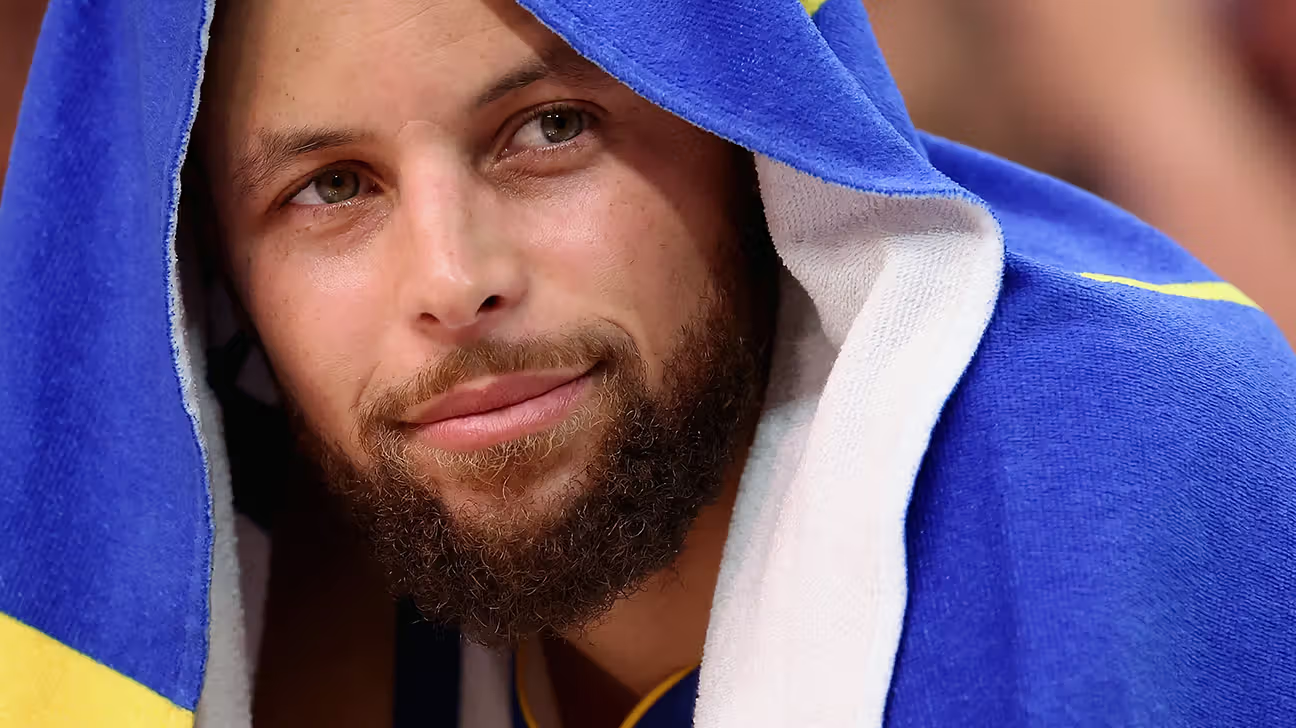
# NBA Star Steph Curry Didn't Realize His Blurry Vision Was a Sign of an Eye Disease
Golden State Warriors point guard Steph Curry has keratoconus, a progressive eye condition where the cornea thins and gradually shifts into a cone shape. He didn't initially understand that his blurry vision signaled the disease, according to recent reporting on his health.
Keratoconus distorts light as it enters the eye, causing blurred and distorted vision. The condition typically emerges during puberty or the late teenage years and can worsen over time, particularly in the first decade after onset. Curry's case highlights how easy it is to miss early warning signs of this relatively uncommon but serious eye disease.
The condition affects roughly one in 375 to one in 2,000 people, according to data from eye health organizations. Some patients experience gradual changes in their vision prescription that they attribute to normal aging or strain. Others notice sudden shifts in vision clarity. Keratoconus can eventually require corneal transplant surgery if it progresses severely, though earlier interventions exist.
Certain risk factors increase keratoconus likelihood. People with down syndrome, Ehlers-Danlos syndrome, Marfan syndrome, and other connective tissue disorders carry elevated risk. Family history matters too. If a parent or sibling has keratoconus, your odds of developing it rise substantially. Frequent eye rubbing during childhood and adolescence may accelerate progression, though scientists debate whether rubbing causes the disease or whether people with keratoconus rub their eyes more because of irritation.
For athletes like Curry, vision changes carry special stakes. Professional basketball demands split-second visual processing, precise depth perception, and sharp focus at varying distances. A point guard orchestrates plays across the entire court while tracking multiple moving players. Even subtle vision degradation could affect performance, which may explain why Curry sought answers.
Modern treatments can halt progression or slow it considerably. Corneal cross-linking, a procedure where the cornea is saturated with vitamin B2 (riboflavin) and exposed to ultraviolet light, strengthens collagen bonds in the cornea. Studies show this treatment stops keratoconus progression in 90 percent or more of patients when caught early. Rigid gas-permeable contact lenses remain the standard treatment for managing vision symptoms, offering better visual correction than regular contacts or glasses.
Refractive surgeries like LASIK carry special risks for keratoconus patients and require careful screening beforehand. Patients with undetected keratoconus who undergo LASIK experience worsened outcomes, as the laser reshaping can accelerate cone formation.
Curry's openness about his condition serves an awareness function. Many people experience subtle vision changes without realizing they need a comprehensive eye exam. Blurred vision, increasing astigmatism, frequent changes in eyeglass prescription, or sensitivity to light warrant evaluation by an eye care specialist. An ophthalmologist or optometrist can detect keratoconus using corneal topography, which maps the cornea's surface shape with precision.
Early detection matters enormously. Corneal cross-linking works best when the disease is caught before significant scarring or thinning occurs. Standard eye exams during childhood and adolescence, particularly for people with family history, can catch keratoconus before symptoms become pronounced.