# When Your Trusted Deodorant Stops Working: Understanding Deodorant Efficacy and the Switch to Natural Alternatives
Deodorant preferences shift over time, and the reasons behind product switching often involve both skin chemistry and product formulation. Old Spice built its reputation on reliability for decades, but many users report diminishing effectiveness after extended use, a phenomenon that extends beyond placebo.
The science of deodorant efficacy reveals why longtime users experience this drift. Antiperspirants and deodorants work through different mechanisms. Antiperspirants contain aluminum compounds that temporarily block sweat glands, while deodorants mask odor through fragrance and antibacterial ingredients. Regular users may develop tolerance to repeated aluminum exposure or the specific bacterial strains in their microbiome may adapt to familiar active ingredients, reducing perceived effectiveness over time.
Aluminum-based antiperspirants also accumulate in underarm tissue with consistent use. Some researchers, including dermatologist Dr. David Delozier from the American Academy of Dermatology, note that aluminum buildup can irritate sensitive skin, creating a cycle where users need stronger formulations for the same results. This irritation drives many people toward gentler formulations, particularly those with sensitive skin or prone to underarm reactions.
Natural deodorants address this problem through different active compounds. Rather than blocking sweat, they typically rely on baking soda, arrowroot powder, and plant-based antimicrobials like tea tree oil or zinc oxide. The tradeoff is straightforward: natural options allow perspiration while controlling odor, requiring users to adjust expectations about sweat itself.
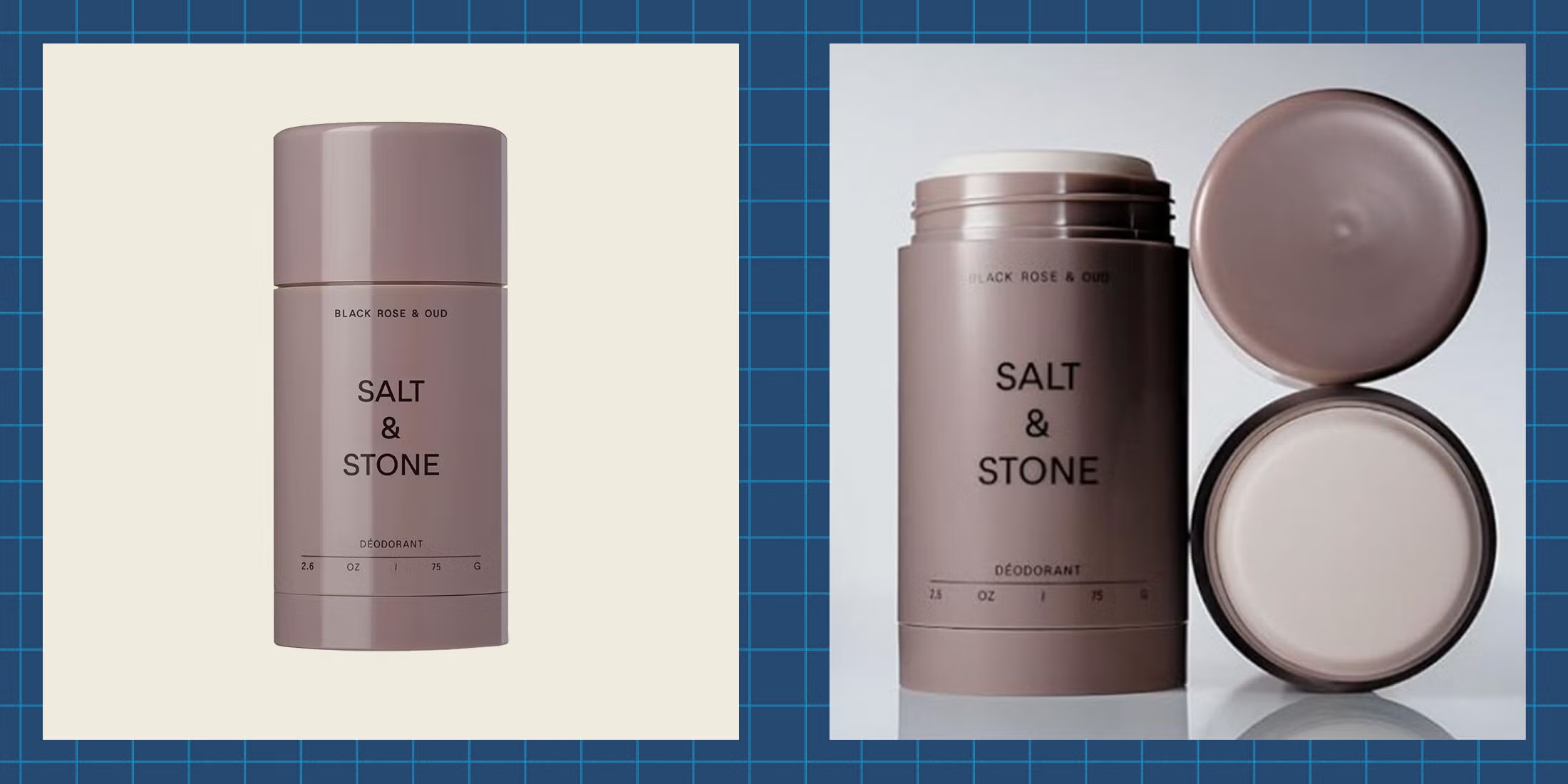
The $20 price point represents a meaningful shift in the deodorant market. Premium natural brands like Native, Schmidts, and Myro have positioned themselves between mass-market conventional options and luxury skincare, targeting consumers willing to pay more for aluminum-free formulations. These products typically last longer than conventional deodorants because they contain higher concentrations of active ingredients and no water-heavy fillers.
For those with genuinely sensitive skin, natural deodorants often perform better. A 2019 study published in the Journal of Cosmetic Dermatology found that aluminum-free deodorants showed lower rates of dermatitis and irritation in participants with reactive underarm skin. However, efficacy varies dramatically between individuals. Some people find natural deodorants insufficient for moderate to heavy sweating, while others report superior performance compared to antiperspirants they've used for years.
The commute consideration matters here. Sweat volume during daily transit differs from gym-level exertion. Natural deodorants generally perform adequately for routine daily activities and moderate sweating, though they typically underperform in high-heat or high-intensity scenarios compared to aluminum antiperspirants.
Switching to natural deodorant often requires a transition period of two to four weeks. During this time, underarms may produce excess sweat as they readjust after years of aluminum-suppressed perspiration. Patience through this phase determines whether users experience long-term success or return to conventional options.
The decision to upgrade reflects changing priorities. Tolerance buildup, skin sensitivity, and preference for gentler formulations drive many users toward premium natural alternatives, even at twice the cost of drugstore deodorants. For those experiencing diminished effectiveness from longtime products, the shift represents solving a real problem rather than chasing marketing claims.