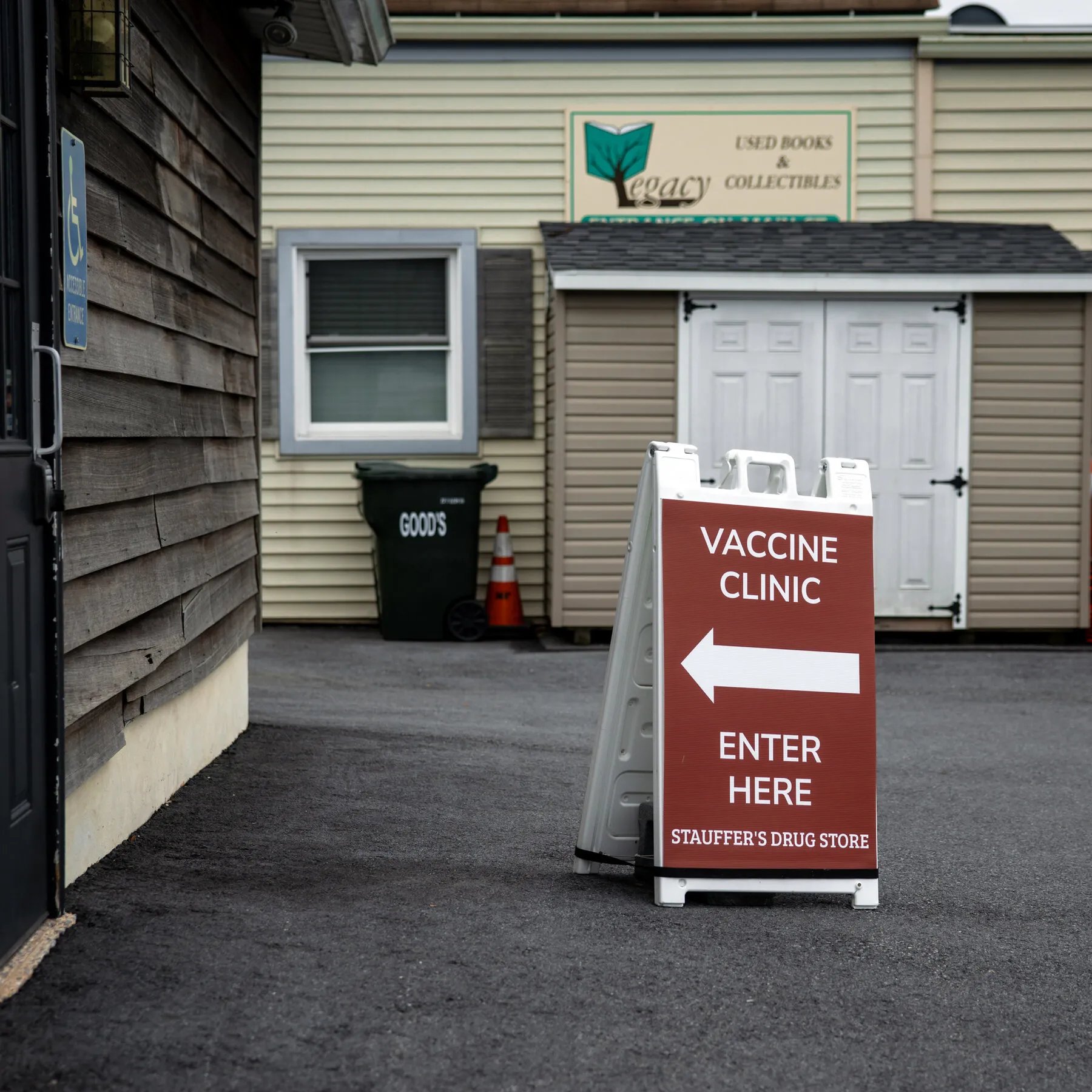
# Pennsylvania Measles Outbreak Reaches 890 Cases Across 39 Counties
Pennsylvania health officials reported 55 new measles cases since Wednesday, bringing the statewide total to 890 cases across 39 counties in 2024. This outbreak represents one of the largest measles resurgences in the state in decades, driven primarily by declining vaccination rates in certain communities.
The Pennsylvania Department of Health has not yet released detailed demographic breakdowns of the current outbreak, but historical patterns suggest cases cluster in areas with lower immunization coverage. Measles spreads through respiratory droplets and infects approximately 90 percent of unvaccinated people exposed to the virus. The disease causes fever, cough, runny nose, red eyes, and the characteristic rash that appears three to seven days after infection begins.
Measles complications can include pneumonia, encephalitis (brain inflammation), and in rare cases, death. The disease poses particular risk to infants under one year old, pregnant women, and immunocompromised individuals who cannot receive the MMR vaccine. Even vaccinated people can face serious complications if they contract measles, though this occurs at dramatically lower rates.
The MMR vaccine provides 97 percent protection against measles after two doses. The Centers for Disease Control and Prevention recommends the first dose at 12 to 15 months of age and the second between ages four and six. Despite decades of safe use involving hundreds of millions of doses, vaccine hesitancy has eroded immunization rates in pockets across Pennsylvania and nationwide.
This Pennsylvania outbreak follows similar measles resurgences in Ohio and other states. Ohio reported its largest measles outbreak since 1989, with cases concentrated in unvaccinated communities. These regional outbreaks reflect a broader national trend. According to CDC data, measles cases have climbed steadily since 2020, when vaccination rates dropped due to pandemic-related disruptions to routine health services.
Health officials urge residents to verify their measles immunity status. Adults born in 1957 or later should have documented evidence of two MMR doses or laboratory confirmation of immunity. People uncertain about their vaccination history can contact their primary care physician or local health department to arrange testing and vaccination if needed.
Healthcare systems across Pennsylvania have activated infection control protocols. Hospitals screen patients for measles symptoms at entry points and isolate confirmed cases to prevent transmission to other patients and staff. Emergency rooms have reported increased visits from parents seeking evaluation for children with rash and fever.
State health officials emphasize that measles prevention requires community-level immunity thresholds above 95 percent. Below that threshold, the virus spreads efficiently through unvaccinated populations. Pennsylvania's current outbreak demonstrates the public health consequences when immunization rates fall below protective levels in specific geographic areas or demographic groups.