# The Essential Vitamins Women Over 40 Need for Healthy Aging
Women over 40 face shifting nutritional demands as their bodies experience hormonal changes, bone density loss, and metabolic shifts. Registered dietitians identify seven vitamins that deserve special attention during this life stage, though whole foods remain the gold standard for nutrient absorption.
Vitamin D becomes increasingly critical after 40. The body's ability to synthesize vitamin D from sunlight decreases with age, while bone health depends on adequate D levels to absorb calcium. Women in this age group require 600 to 800 IU daily, though many fall short. Fatty fish, egg yolks, and fortified dairy provide dietary sources, but supplements often become necessary, particularly for those in northern climates or with limited sun exposure.
B vitamins warrant attention as metabolism slows. Vitamin B12 absorption declines with age due to reduced stomach acid, affecting energy production and cognitive function. B6 and folate support cardiovascular health and mood regulation. Women should prioritize poultry, fish, fortified cereals, and leafy greens, with B12 supplementation often recommended for those over 50.
Iron requirements actually decrease after menopause to 8 milligrams daily (down from 18 during reproductive years), yet many women remain deficient. Red meat, beans, and spinach contain iron, but pairing these foods with vitamin C sources enhances absorption.
Vitamin E functions as an antioxidant, protecting cells from oxidative stress that accelerates aging. Almonds, sunflower seeds, and vegetable oils provide this fat-soluble vitamin. Unlike water-soluble B vitamins, excess E accumulates in body fat, making supplementation unnecessary for most women eating balanced diets.
Calcium remains essential for bone density maintenance as estrogen decline increases osteoporosis risk. While dairy products provide the most bioavailable form, leafy greens, fortified plant-based milks, and almonds offer alternatives. The recommended intake is 1,000 to 1,200 milligrams daily.
Vitamin K regulates bone mineralization and blood clotting. Cruciferous vegetables like broccoli and kale serve as excellent sources. Most women obtain adequate K through diet, making supplements unnecessary unless specific health conditions exist.
Vitamin A supports skin elasticity, immune function, and eye health during aging. Sweet potatoes, carrots, and dark leafy greens provide beta-carotene, which the body converts to A as needed.
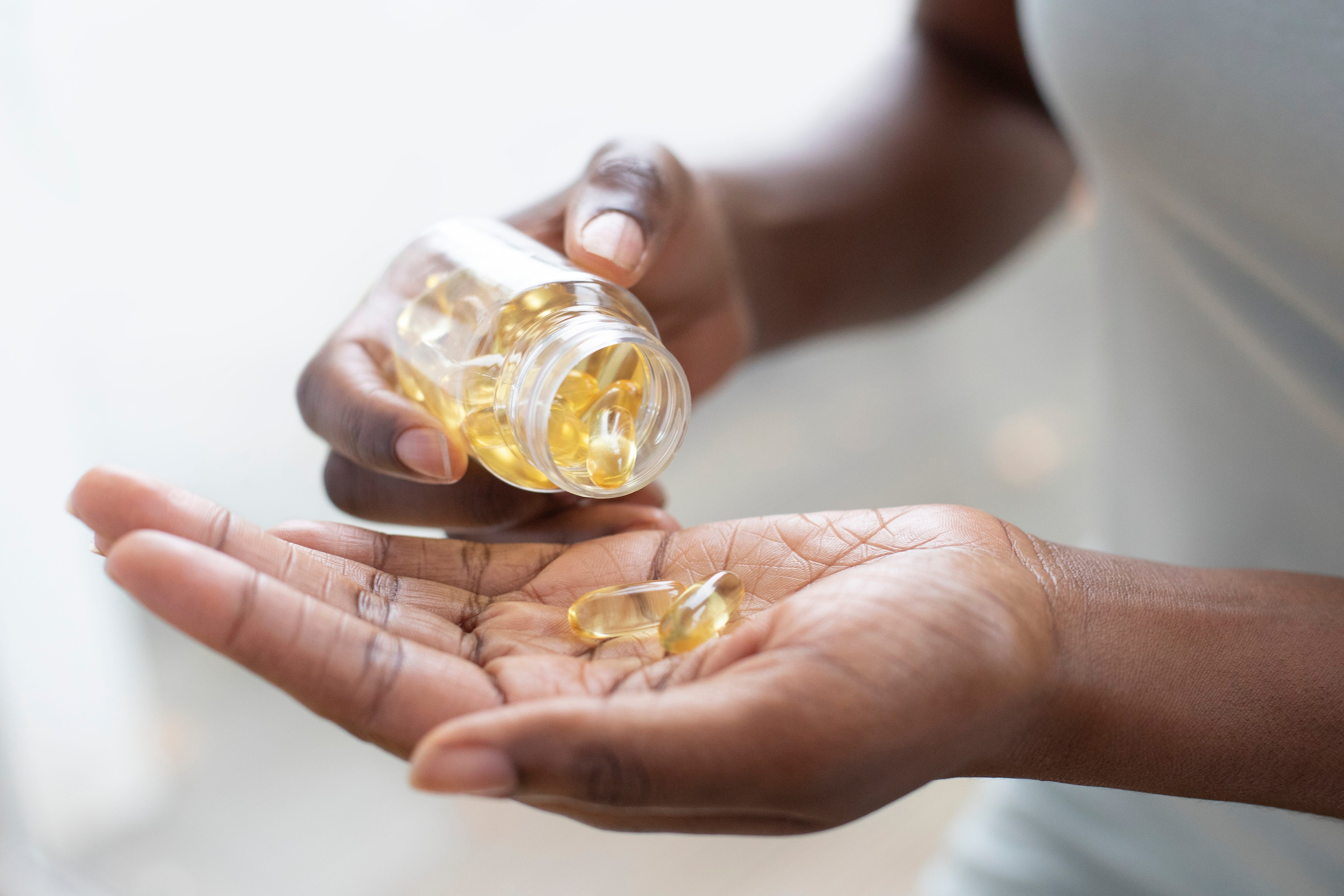
The dietitian consensus emphasizes food first. Whole foods contain fiber, minerals, and phytonutrients that supplements cannot replicate. However, supplementation addresses real gaps. Women with restricted diets, digestive disorders, or specific health conditions often benefit from targeted supplements.
Before starting any supplement regimen, consulting with a healthcare provider or registered dietitian makes sense. They can order micronutrient testing to identify actual deficiencies rather than relying on generic recommendations. Individual needs vary based on genetics, medications, dietary patterns, and health status.
The transition into the second half of life requires intentional nutrition choices. Prioritizing nutrient-dense whole foods first, then adding supplements where evidence supports their use, provides the most effective strategy for supporting vitality and preventing age-related decline.