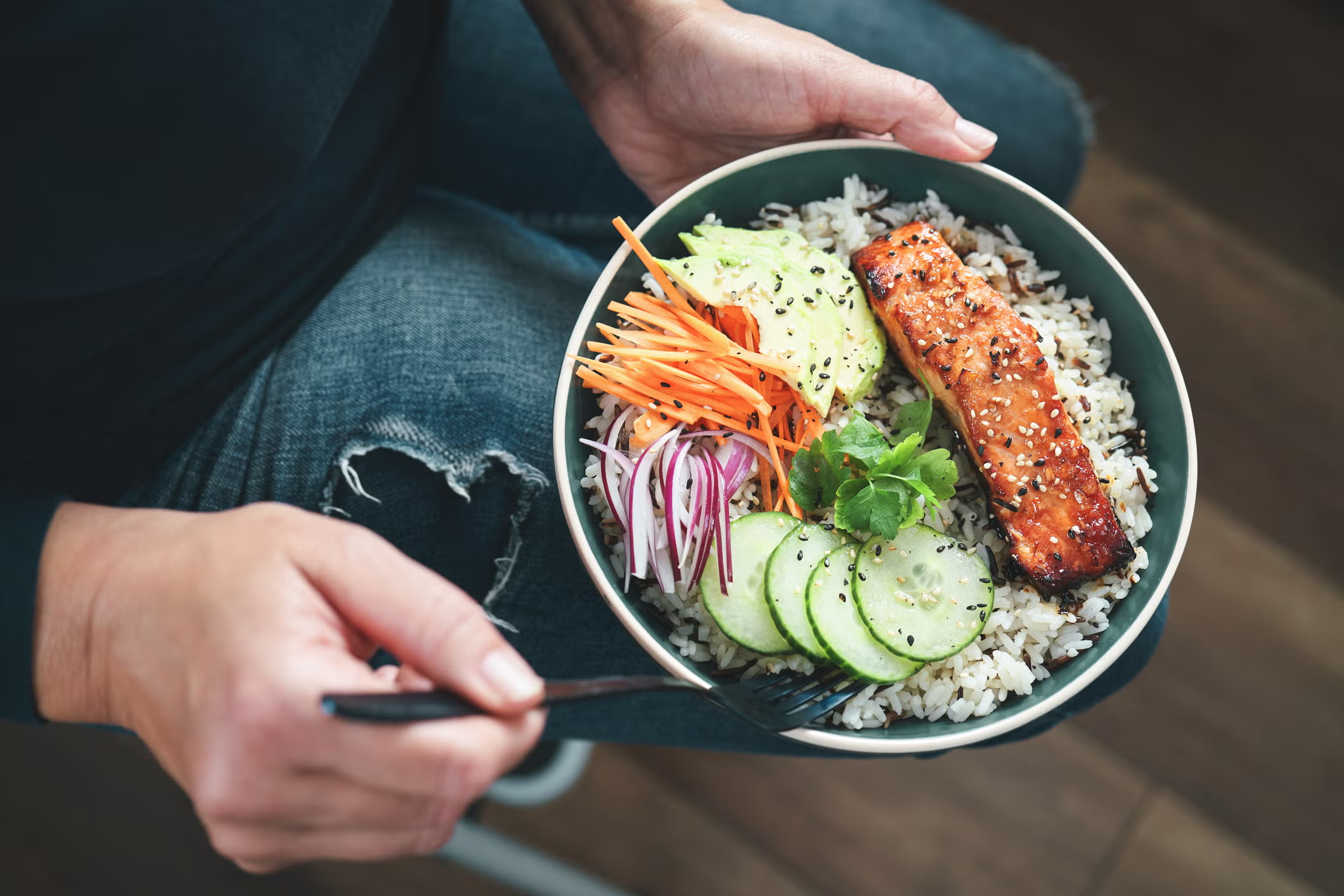
# Wild Salmon vs. Farmed Salmon: Which One Is Better for Your Health?
The salmon debate divides nutrition professionals and consumers alike. Both wild and farmed salmon deliver omega-3 fatty acids and protein, but they differ in several ways that matter for your health.
Wild salmon contains higher levels of omega-3 fatty acids compared to farmed varieties. A serving of wild Atlantic salmon provides roughly 2,600 milligrams of EPA and DHA combined, the two omega-3s linked to heart and brain health. Farmed salmon typically delivers 1,500 to 2,000 milligrams per serving. This difference matters for people seeking to reduce inflammation or support cardiovascular function.
The nutrient density tells another story. Wild salmon has less total fat, making it leaner. This concentration effect means wild salmon delivers more omega-3s per calorie. Farmed salmon contains more vitamin D and astaxanthin, the carotenoid that gives it color. Some farmed operations now add algae-based omega-3 supplements to feed, narrowing the nutritional gap.
Contaminant levels represent a real concern. Wild salmon carries lower concentrations of polychlorinated biphenyls (PCBs) and pesticides because it feeds on a natural diet and swims in open ocean. Farmed salmon, confined to pens and fed pellets, accumulates more PCBs from feed and the environment. Research shows farmed salmon contains 5 to 10 times more PCBs than wild varieties. For occasional consumers, this poses minimal risk. Pregnant women and young children benefit from choosing wild salmon more often.
Sustainability enters the equation for environmentally conscious eaters. Wild salmon fisheries show variable health depending on region and species. Some populations face overharvesting; others remain robust. Farmed salmon farming reduces pressure on wild stocks but creates pollution in coastal ecosystems through waste accumulation and occasional escapes of farm fish into wild populations.
Cost and availability shift the practical calculus. Wild salmon commands premium prices and comes fresh only seasonally in most regions. Frozen wild salmon retains nutrients well and costs less than fresh. Farmed salmon stays affordable and available year-round, making it accessible for people on tight budgets or in food deserts.
Registered dietitian nutritionists recommend a balanced approach. The Academy of Nutrition and Dietetics suggests eating fatty fish twice weekly. Either salmon type delivers this benefit. If budget allows, alternating between wild and farmed maximizes nutritional variety. Someone concerned about contaminants might prioritize wild salmon while accepting its higher cost. Another person focused on sustainability and budget might choose farmed salmon from operations with strong environmental practices.
The reality: both salmon types provide genuine health benefits. Neither is "bad." Wild salmon edges out farmed on omega-3 density and contaminant load. Farmed salmon wins on accessibility and cost. For most people, the best salmon is the one they actually eat consistently. Nutritional benefits from regular omega-3 intake outweigh concerns about choosing one type over the other.
Check sourcing and preparation methods alongside variety selection. Baked or grilled salmon preserves more nutrients than heavy sauces or frying. Look for third-party certifications on farmed salmon packaging if environmental impact matters to you. Wild salmon labeled with specific origins like "Alaska" or "sockeye" typically comes from better-managed fisheries than unlabeled options.