# Daily Habits Quietly Worsening Your Joint Pain
Small, repeated behaviors throughout your day accumulate into real physical damage for people living with joint pain. A growing body of research shows that what feels harmless in the moment—scrolling through your phone, how you sit at your desk, the shoes you wear—compounds into inflammation and increased discomfort over time.
The habits that hurt joints fall into several categories: posture problems, sedentary behavior, inflammatory food choices, inadequate hydration, and sleep disruption. Each one alone creates mild stress on joints. Together, they accelerate wear and inflammation.
Posture represents one of the most damaging daily patterns. When you crane your neck downward to view your phone screen, you place roughly 60 pounds of pressure on your cervical spine with each degree of forward head tilt, according to research in Surgical and Radiologic Anatomy. This "tech neck" position strains neck joints and radiates pain through shoulders and upper back. Similarly, slouching at your desk misaligns your spine and concentrates force on specific joints rather than distributing weight evenly across your skeletal system.
The blue light from screens also disrupts sleep quality. Poor sleep reduces your body's ability to regulate inflammatory cytokines, the molecules that trigger joint pain and swelling. When you scroll before bed, you're not just keeping yourself awake. You're actively preventing the deep sleep your joints need to repair themselves.
Sitting for extended periods without movement creates stiffness and reduces synovial fluid circulation in joints. This fluid nourishes cartilage and lubricates movement. Eight continuous hours at a desk without breaks leaves joints undernourished and vulnerable to pain flare-ups.
Certain everyday food choices accelerate joint inflammation. Ultra-processed foods high in seed oils, refined carbohydrates, and added sugars trigger inflammatory pathways in your body. Omega-6 heavy diets without sufficient omega-3 balance tip your inflammatory state toward pain and swelling.
Dehydration also worsens joint symptoms because cartilage contains 80 percent water. When you drink insufficient fluids throughout the day, your cartilage loses its cushioning capacity and becomes more prone to irritation.
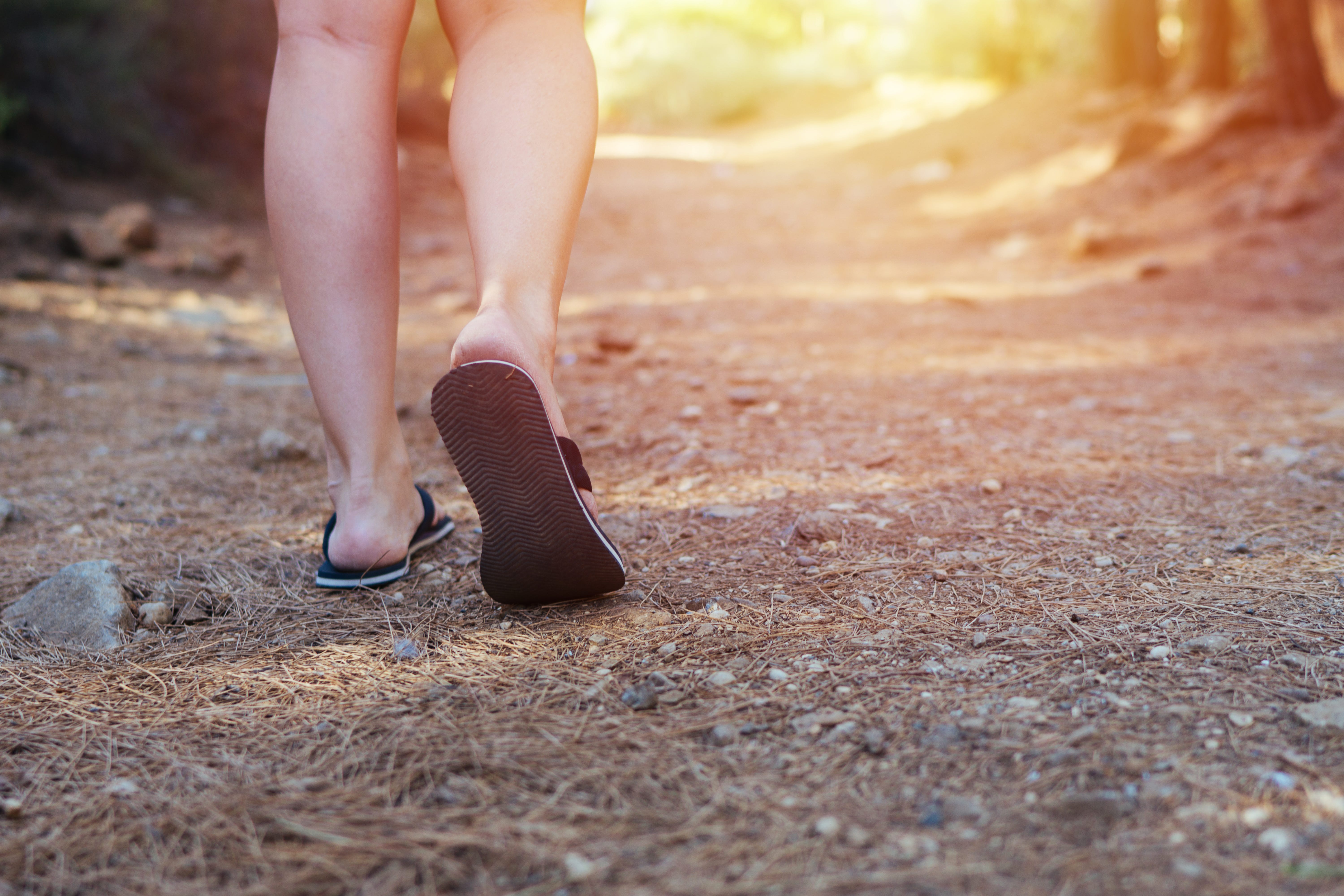
Footwear matters more than most people realize. High heels or unsupportive shoes alter your gait and transfer abnormal pressure to ankle, knee, and hip joints. Even moderate heel height changes how your body distributes weight through your lower joints.
Breaking these patterns requires small, deliberate changes. Set phone reminders to adjust your posture every 30 minutes. Place your screen at eye level. Stop scrolling 30 minutes before bed. Stand and walk for two minutes every hour at work. Swap inflammatory foods for anti-inflammatory choices like fatty fish, berries, and leafy greens. Drink water consistently throughout the day. Choose supportive footwear for daily wear.
These modifications cost nothing and take minimal time, yet they produce measurable improvements in joint pain within weeks. Your joints respond quickly to reduced inflammation and improved mechanical support. The smallest habits create the biggest burden, which means the smallest changes create the biggest relief.