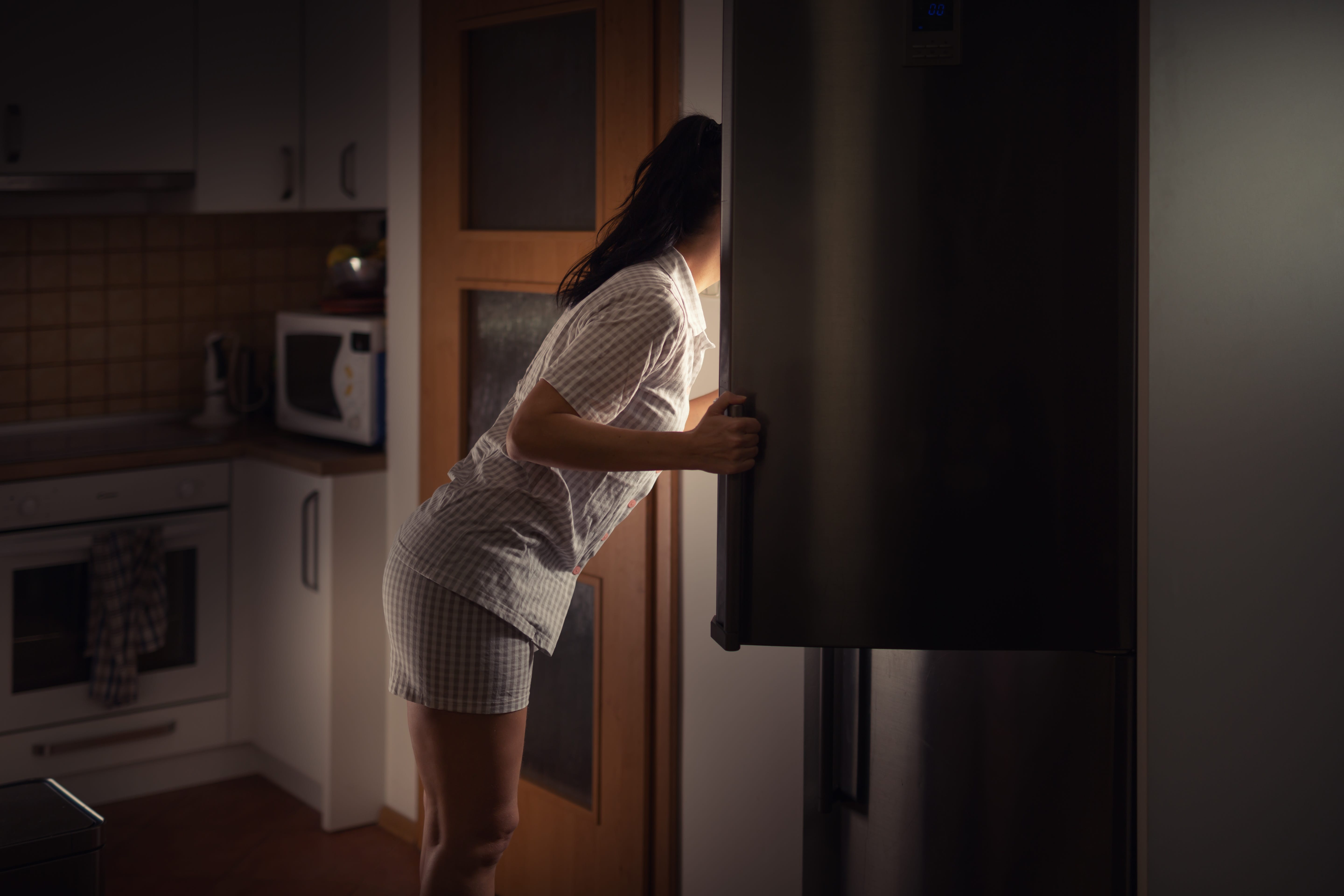
# The Healthy Snacks Dietitians Recommend for Late-Night Cravings
Late-night hunger strikes differently than daytime appetite. Your body's circadian rhythms shift your metabolic needs as evening approaches, and the wrong snack choice can derail sleep quality or leave you reaching for ultraprocessed foods loaded with sugar and salt.
Registered dietitian nutritionists consistently recommend snacks that combine three key macronutrients: protein, fiber, and healthy fats. This combination stabilizes blood sugar, sustains satiety, and prevents the energy crashes that trigger late-night junk food binges.
Protein takes priority at night because it requires longer digestion and keeps you satisfied longer than carbohydrates alone. Greek yogurt with berries delivers 15-20 grams of protein per serving while providing fiber and antioxidants that support sleep quality. String cheese paired with an apple gives you roughly 7 grams of protein plus the fiber and natural sweetness that curbs cravings without spiking insulin.
Nuts and seeds address the healthy fat requirement while adding crunch and satiety. A small handful of almonds (about 23 nuts) contains 6 grams of protein, 3.5 grams of fiber, and heart-healthy monounsaturated fats. Pumpkin seeds offer similar benefits with added magnesium, a mineral linked to improved sleep architecture.
Hummus with vegetables becomes an ideal late-night vehicle for all three macronutrients. Chickpea-based hummus provides plant protein and fiber while the healthy fats from tahini and olive oil promote sustained energy. Pairing hummus with carrots, bell peppers, or celery adds volume and fiber without excessive calories.
Cottage cheese emerges as an underrated option among nutrition professionals. A half-cup serving contains 14 grams of casein protein, which digests slowly and releases amino acids throughout the night. Some research suggests casein supports muscle protein synthesis during sleep, making it particularly useful for people engaging in regular resistance training.
Whole grain toast with almond butter combines all three macronutrient elements while maintaining realistic portion control. The bread provides complex carbohydrates and fiber, the almond butter adds protein and fat, and the combination triggers just enough blood sugar elevation to support serotonin production without disrupting sleep.
Timing matters as much as composition. Dietitians recommend eating your snack 30 to 60 minutes before bed, allowing adequate digestion time while maintaining the satiety benefit through sleep. Snacks consumed immediately before lying down can interfere with sleep onset and increase nighttime reflux.
Portion size requires attention too. Late-night snacks should contain roughly 150-200 calories and never exceed the protein-to-carbohydrate ratio of 1:2. This prevents your digestive system from working overtime while you sleep.
Avoid snacks high in added sugars, caffeine, or excessive sodium close to bedtime. Chocolate, energy bars, and flavored yogurts often contain hidden sugars that spike cortisol and interfere with melatonin production. Even decaffeinated coffee can disrupt sleep in sensitive individuals.
Water intake deserves equal consideration. Thirst often masquerades as hunger, so drinking a glass of water before eating sometimes resolves late-night cravings entirely. This simple practice reduces unnecessary calorie consumption while supporting hydration.
The goal remains simple: fuel your body with foods that satisfy hunger, support sleep quality, and prevent morning regret over your evening choices.