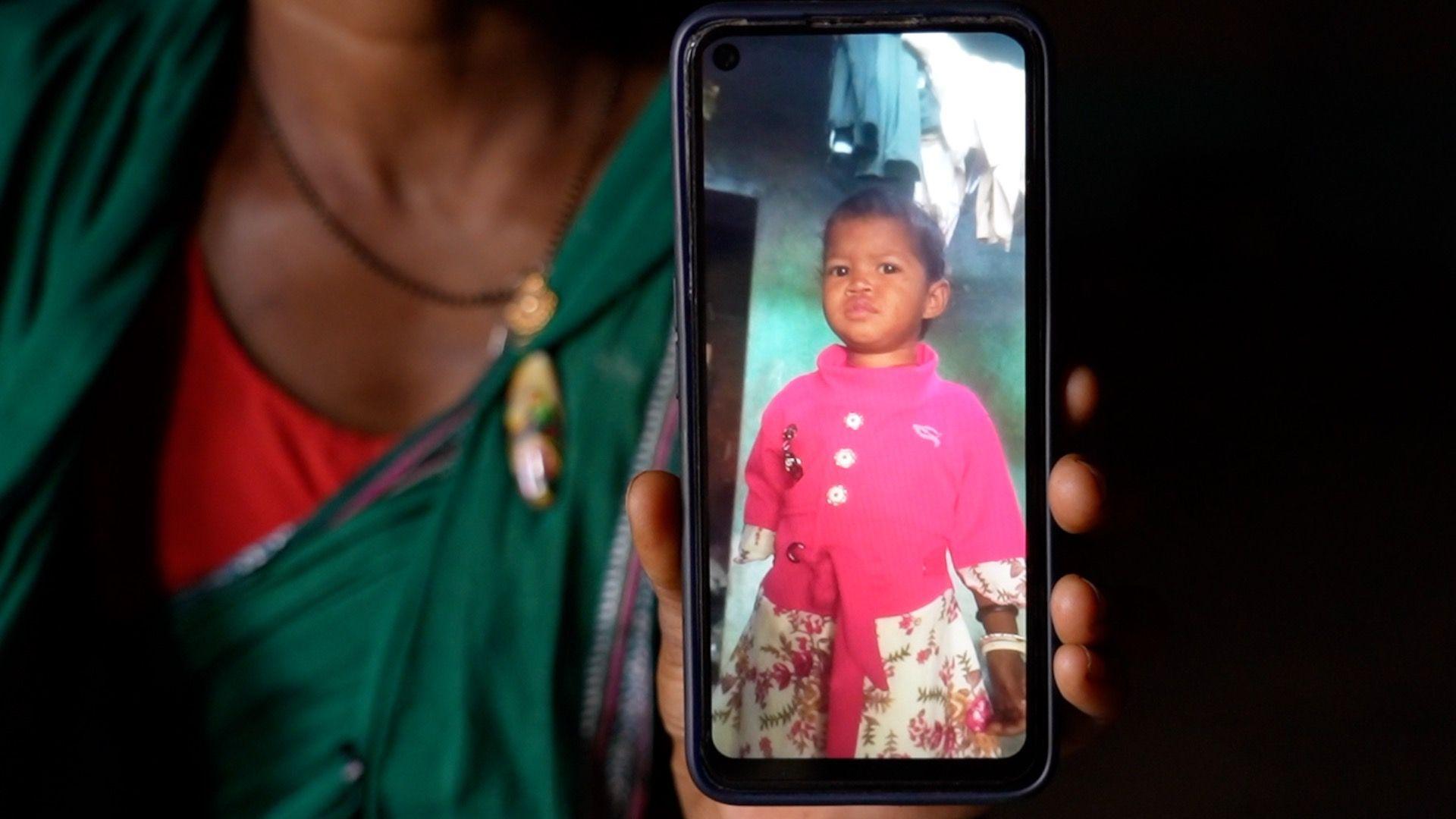
# Children's Deaths in India's Tribal Heartland Spark Urgent Health Response
At least 32 children have died in Balaghat district, a remote tribal region of central India, since May in outbreaks of measles and malaria. The cluster of deaths in this under-resourced area underscores persistent gaps in vaccination coverage and disease prevention in some of India's most vulnerable communities.
Balaghat district, located in Madhya Pradesh state, sits among India's most economically disadvantaged regions. The tribal populations here face entrenched barriers to healthcare, including geographic isolation, limited access to medical facilities, and inconsistent vaccination programs. These conditions create environments where preventable diseases spread rapidly through child populations.
Measles remains one of the most contagious viral diseases known to medicine. A single infected person can transmit the virus to 12 to 18 others in an unvaccinated population. The disease kills through complications including pneumonia, encephalitis, and secondary infections. Two doses of the measles-containing vaccine provide immunity in over 99 percent of recipients, yet vaccination gaps persist in rural tribal areas across India.
Malaria compounds the health crisis in these regions. The mosquito-borne parasitic infection kills through severe anemia, cerebral malaria, and organ failure. Children under five face the highest mortality rates. While antimalarial drugs and bed nets can prevent and treat infection, access remains inconsistent in remote districts like Balaghat.
The deaths highlight India's ongoing struggle with healthcare equity. While the country has made substantial progress in national vaccination coverage over the past two decades, disparities between urban and rural areas remain stark. Tribal communities in particular face language barriers, transportation challenges, and cultural factors that complicate health messaging and service delivery.
Local health authorities responded to the outbreak with emergency vaccination campaigns and malaria testing drives. Anganwadi workers, frontline health workers who serve as the backbone of rural health outreach in India, mobilized to identify and refer sick children to treatment centers. However, these efforts occur against a backdrop of chronic underfunding and staff shortages that plague rural healthcare systems nationwide.
The Balaghat deaths reflect a broader pattern in India's tribal belt. Across districts in Madhya Pradesh, Jharkhand, and Chhattisgarh, similar outbreaks emerge periodically when vaccination coverage drops below critical thresholds. Public health experts emphasize that sustained vaccination programs, clean water access, malaria prevention infrastructure, and nutrition support form an integrated approach necessary to protect vulnerable populations.
Strengthening rural health systems requires investment in training community health workers, improving vaccine supply chains, and building trust with tribal communities through culturally sensitive health education. The deaths in Balaghat serve as a stark reminder that India's healthcare progress remains incomplete so long as preventable diseases continue killing children in its most remote regions.