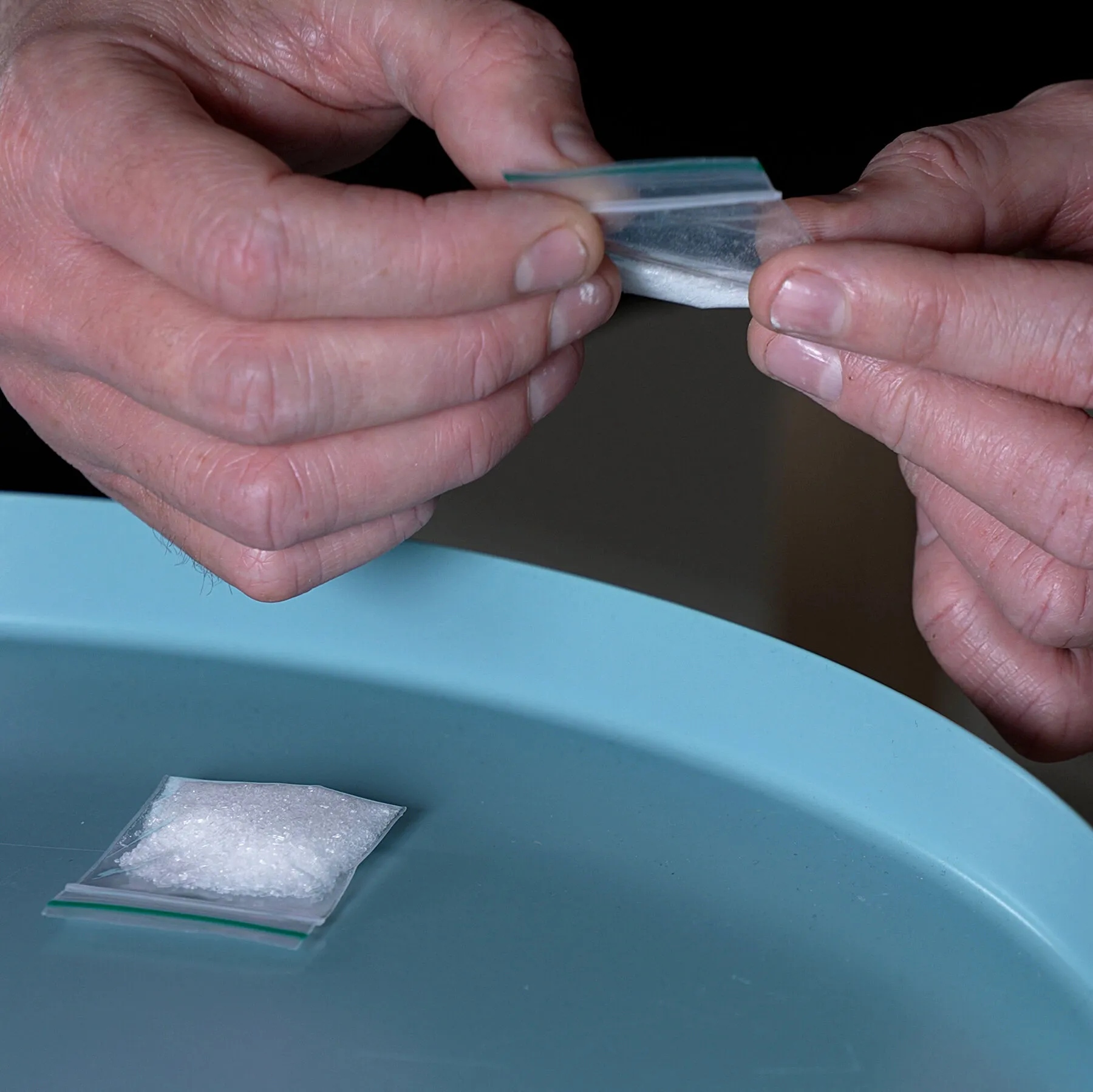
# Ketamine's Growing Availability Raises Concerns About Drug-Facilitated Sexual Assault
Ketamine, a dissociative anesthetic developed in the 1960s, sits at the intersection of legitimate medical use and increasing abuse. The drug produces a rapid loss of consciousness and can induce hallucinations and out-of-body experiences. Recent reporting on an alleged sexual assault case at Cornell University has drawn public attention to ketamine's role in drug-facilitated crimes, highlighting a troubling trend that medical professionals and law enforcement have tracked for years.
The case underscores a reality that substance abuse experts have documented: ketamine availability has expanded significantly. Once confined primarily to veterinary clinics and operating rooms, the drug now appears in recreational settings with greater frequency. Illicit production and diversion from legitimate pharmaceutical channels have made ketamine increasingly accessible to potential abusers. Unlike some controlled substances with tighter restrictions, ketamine's classification and distribution channels have created opportunities for misuse that concern public health officials.
What makes ketamine particularly dangerous in assault contexts is its pharmacology. The drug acts quickly, typically producing unconsciousness within minutes of administration. Users lose the ability to resist or recall events clearly. The dissociative properties mean victims may experience a dreamlike detachment from their bodies, unable to form coherent memories of what occurs. This combination of rapid onset, memory disruption, and physical incapacity makes ketamine a drug of choice for predators seeking to incapacitate victims.
The drug produces additional risks beyond its immediate effects. Ketamine raises heart rate and blood pressure, creating cardiovascular strain. Respiratory depression can occur, particularly when combined with alcohol or other depressants. Emergency room physicians report treating patients who have experienced severe adverse reactions, including seizures and dangerous elevations in body temperature. The long-term neurological effects of repeated ketamine use remain incompletely understood, though emerging research suggests potential cognitive impacts.
Medical and law enforcement communities increasingly emphasize education and detection. Hospitals have developed protocols for testing suspected drug-facilitated assault cases, though ketamine's short detection window (typically 12 to 72 hours in urine) complicates identification. Testing requires specific laboratory requests, as standard drug screening panels do not include ketamine.
Campus security experts and sexual assault advocates have responded by promoting awareness of the drug's risks and signs of intoxication. Universities have strengthened protocols for sexual assault reports and substance-involved incidents. Harm reduction organizations work to educate young people about the dangers of accepting drinks from unfamiliar sources and recognizing warning signs of drugging.
The Cornell case reflects a broader public health challenge. Law enforcement statistics show drug-facilitated sexual assaults have increased over the past decade. Ketamine represents one of several substances involved in these crimes, though its potency and rapid effects make it particularly concerning. Experts stress that addressing the problem requires coordinated effort across medical, educational, law enforcement, and community sectors.
For individuals in social settings, awareness remains essential. Understanding ketamine's rapid onset, recognizing signs of impairment in others, and maintaining vigilance about drink safety represent practical protective measures. College health services and sexual assault prevention programs increasingly include information about ketamine and other club drugs as part of comprehensive safety education.