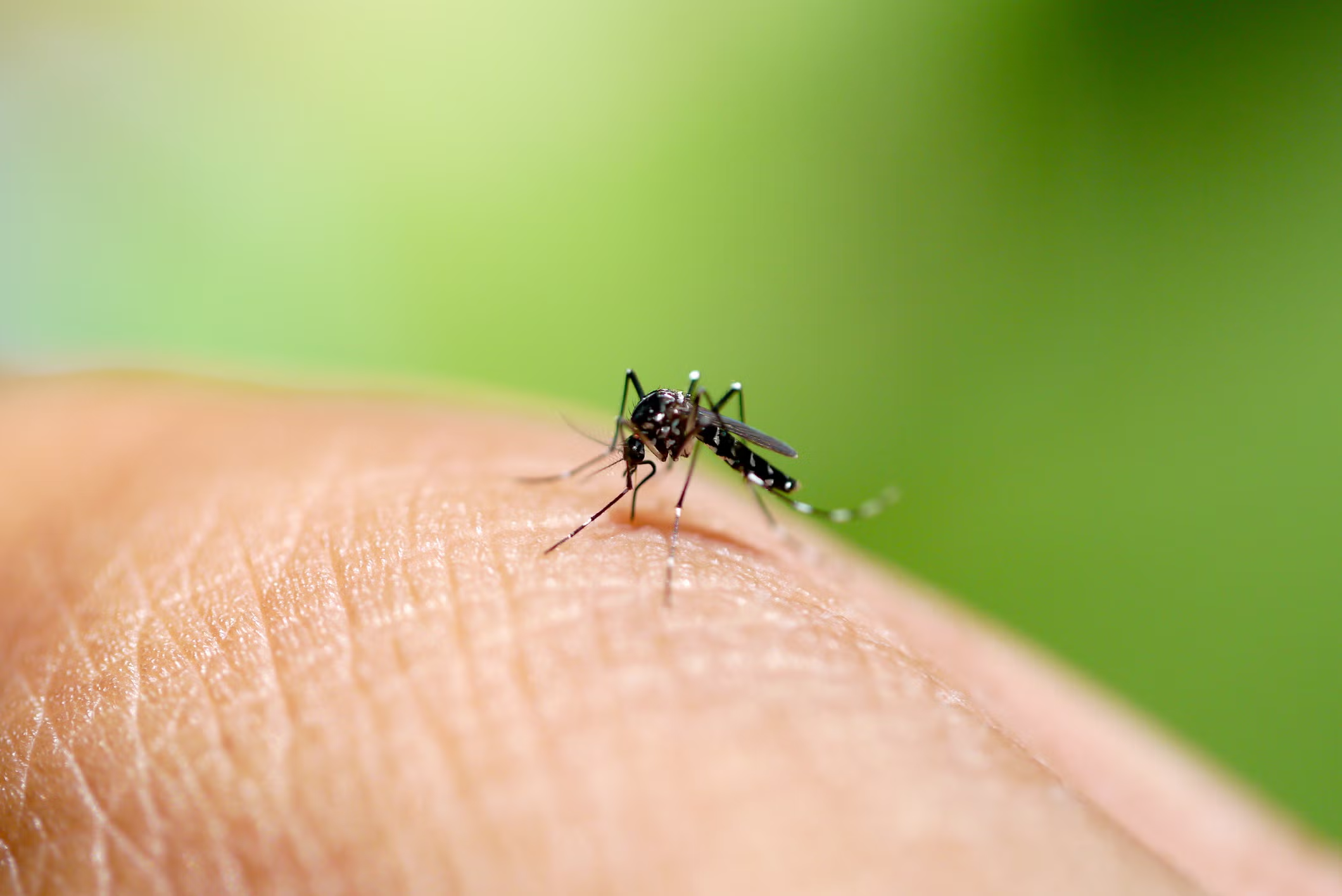
West Nile Virus cases have already appeared in the United States this year, according to Prevention. The mosquito-borne illness produces symptoms that doctors say closely resemble the flu.
Most people infected with West Nile Virus experience mild to moderate symptoms. These include fever, body aches, and fatigue, which can easily be confused with seasonal influenza. The similarity in presentation makes early identification challenging for patients who may not initially suspect mosquito-borne illness.
A smaller percentage of infected individuals develop severe symptoms. Serious cases can include high fever, headache, and neurological complications. In rare instances, West Nile Virus can cause encephalitis or meningitis, inflammation of the brain or spinal cord membranes respectively.
The virus spreads through mosquito bites, particularly from infected Culex mosquitoes that are active during warm months. The CDC tracks West Nile Virus activity across the country each year, with cases typically increasing in late summer and early fall.
Prevention measures focus on reducing mosquito exposure. These include using insect repellent containing DEET, wearing long sleeves and pants during peak mosquito hours, and eliminating standing water around homes where mosquitoes breed.
Most people who contract West Nile Virus recover without treatment. Supportive care such as rest, fluids, and over-the-counter pain relievers can help manage mild symptoms. However, individuals experiencing severe symptoms should seek medical attention immediately.
Doctors recommend that patients experiencing flu-like symptoms during mosquito season consider West Nile Virus as a possible cause, particularly if symptoms persist or worsen. Blood tests can confirm West Nile Virus infection. Currently, no vaccine protects against West Nile Virus in humans, though researchers continue working on vaccine development.