# Ebola Outbreak in Africa Reaches Widest Geographic Expansion on Record
A newly confirmed Ebola case in Nigeria marks a troubling milestone for the virus. Health authorities now report the widest geographic spread of Ebola across Africa in documented history, raising alarm about containment and cross-border transmission risks.
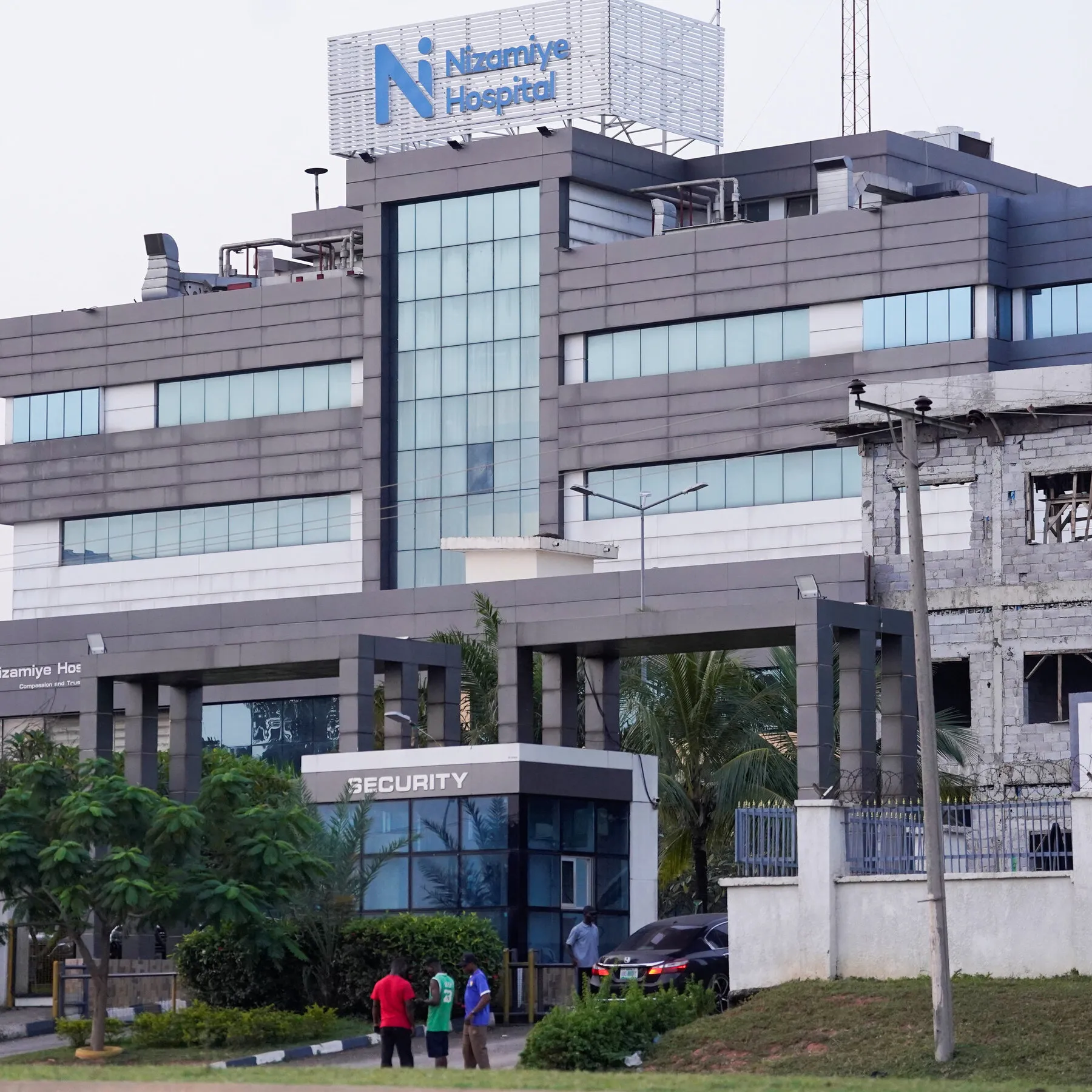
The case represents the first confirmed Ebola infection in Nigeria during this outbreak cycle. Nigerian health officials are conducting urgent epidemiological investigations to trace how the virus entered the country and identify anyone the patient may have contacted. The discovery signals that Ebola has crossed from neighboring regions into a nation of over 200 million people, complicating response efforts across West Africa.
Ebola spreads through direct contact with blood or body fluids of infected people or animals. The virus kills up to 90 percent of infected individuals in some strains, though case fatality rates vary. There is no cure, only supportive care to manage symptoms like fever, weakness, and organ failure. Two vaccines exist, EVD and Ervebo, which the World Health Organization prepositions in at-risk regions for rapid deployment during outbreaks.
The geographic expansion carries serious public health implications. Previous Ebola outbreaks remained relatively contained within specific geographic zones. This outbreak's spread across multiple countries suggests either increased human movement between regions, animal-to-human transmission events in new locations, or lapses in early detection protocols. Nigeria's scale and population density create conditions where a single undetected chain of transmission could seed rapid spread.
West African nations have strengthened surveillance systems since the devastating 2014-2016 epidemic that killed over 11,000 people across Guinea, Liberia, and Sierra Leone. However, gaps persist in border screening, laboratory capacity, and healthcare worker training. Rural areas with limited medical infrastructure remain particularly vulnerable.
Health organizations including the WHO and regional African health ministries are mobilizing response teams. Investigations focus on identifying the patient's contacts, testing symptomatic individuals, and isolating confirmed cases. Border health screenings are being reinforced across West Africa. Healthcare facilities in Nigeria and neighboring countries are being alerted to recognize symptoms and implement infection prevention protocols.
The widest geographic expansion creates ripple effects beyond immediate health concerns. Economic activity faces disruption as travel restrictions emerge. Healthcare systems already stretched by competing demands must allocate resources for Ebola preparedness. Communities may experience hesitancy in seeking medical care if they fear Ebola screening and isolation procedures.
This development underscores why pandemic preparedness remains a global health priority. Ebola circulates in animal reservoirs, particularly in bats and certain primates. Future spillover events will occur unless wildlife trade practices, hunting behaviors, and human settlement patterns change. Investment in rapid diagnostic capacity, vaccine stockpiles, and cross-border coordination tools remains essential for containing outbreaks before they spread widely.
The coming weeks will reveal whether Nigeria's case represents an isolated transmission or the beginning of sustained community spread. Early detection and rapid response remain the only proven tools to prevent the virus from establishing broader footholds in new populations.