# How a Viral Fiber Hack Became a Digestive Lesson
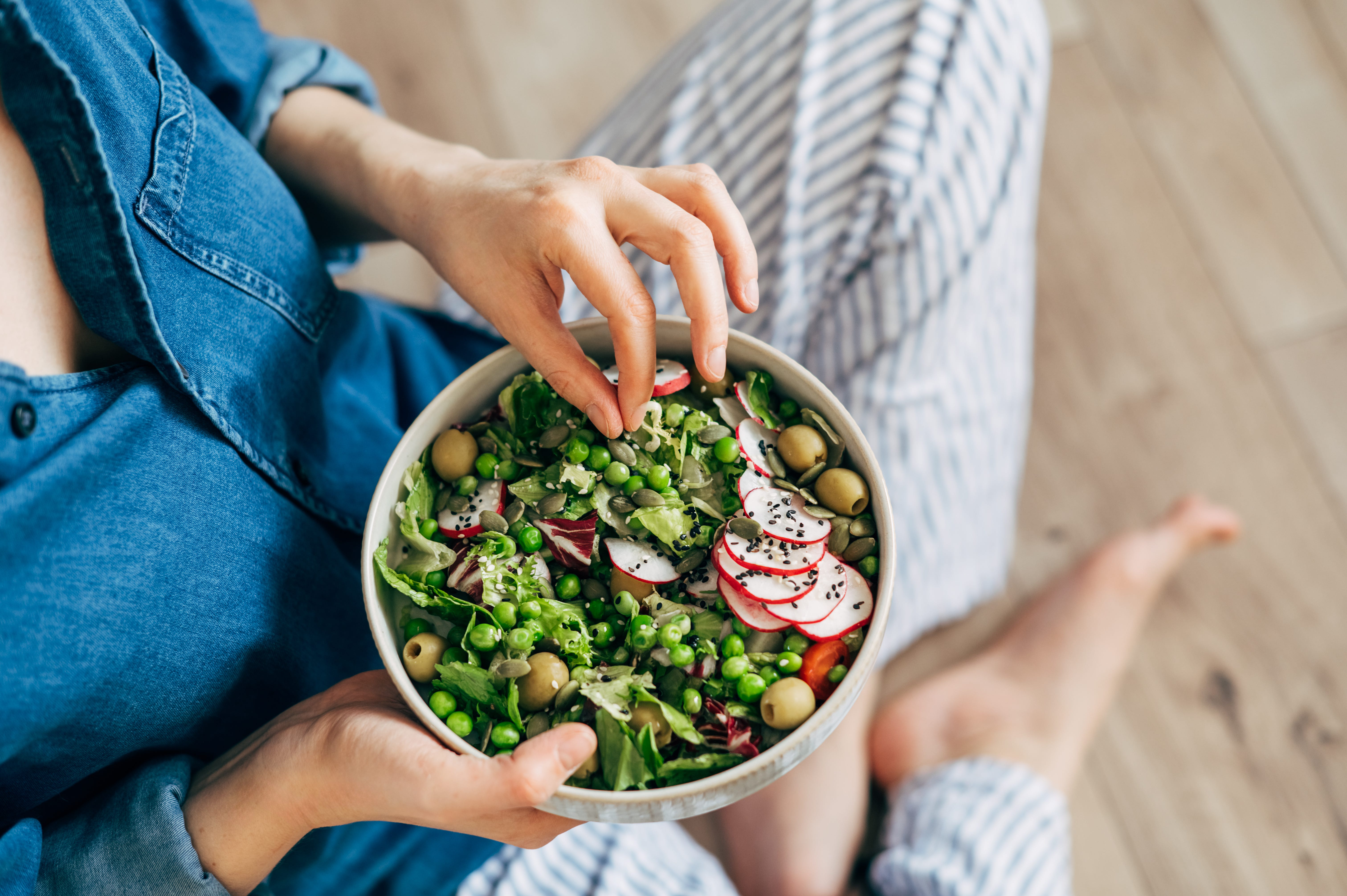
TikTok's "fibermaxxing" trend promises to supercharge your lunch with legume-based salads that deliver dramatic fiber boosts. One journalist decided to test the pea salad recipe that took over social media, only to discover that enthusiasm for fiber and actual digestive tolerance are two very different things.
The appeal makes sense. Pea-based salads are trendy, easy to prepare, and genuinely packed with fiber. A single serving of split peas or chickpeas delivers 8 to 12 grams of fiber, nearly half the daily recommended intake. In an era when most Americans consume only 15 grams of fiber daily (well below the 25 to 38 grams experts recommend), adding legume-heavy meals seems like a straightforward nutritional win. The TikTok version of this trend encourages people to load their plates with peas and call it healthy eating.
The problem emerges when people go from their baseline diet straight to the maximum. Registered dietitians who specialize in gastrointestinal health consistently warn against rapid fiber increases. Your gut microbiome needs time to adapt to higher fiber intake. The bacteria in your digestive system require gradual introduction to these foods to ferment properly. Without this adjustment period, the result becomes bloating, gas, cramping, and sometimes diarrhea. This is what nutritionists call the "fiber spike" effect.
The scientific foundation matters here. Research published in the American Journal of Clinical Nutrition shows that sudden fiber increases cause gastrointestinal distress in nearly 70 percent of people who haven't eaten high-fiber diets previously. Dr. Marvin Singh, a gastroenterologist who frequently addresses fiber-related digestive issues on social media, emphasizes that fiber works best when introduced gradually, paired with adequate water, and combined with existing dietary habits.
The viral pea salad trend overlooks this basic physiology. What works as a long-term eating pattern fails spectacularly when adopted overnight as a single meal. The journalist's experience reflects what happens in millions of TikTok-influenced kitchen experiments. The fiber content that promises wellness delivers instead the opposite: days of physical discomfort that makes people abandon the habit entirely.
The real benefit of high-fiber foods like peas requires patience. Adding an extra 5 grams of fiber per week, drinking 8 to 10 glasses of water daily, and allowing two to four weeks for adaptation produces actual results without the digestive rebellion. Peas remain excellent nutrition. The problem lies not with the food but with the pace of adoption.
Viral wellness trends thrive on promises of immediate transformation. This particular trend crashed against the reality of human digestion. The lesson extends beyond pea salad. Any significant dietary shift works best when introduced methodically, not when copy-pasted from a TikTok video into real life. Your gut will thank you for the gradual approach.