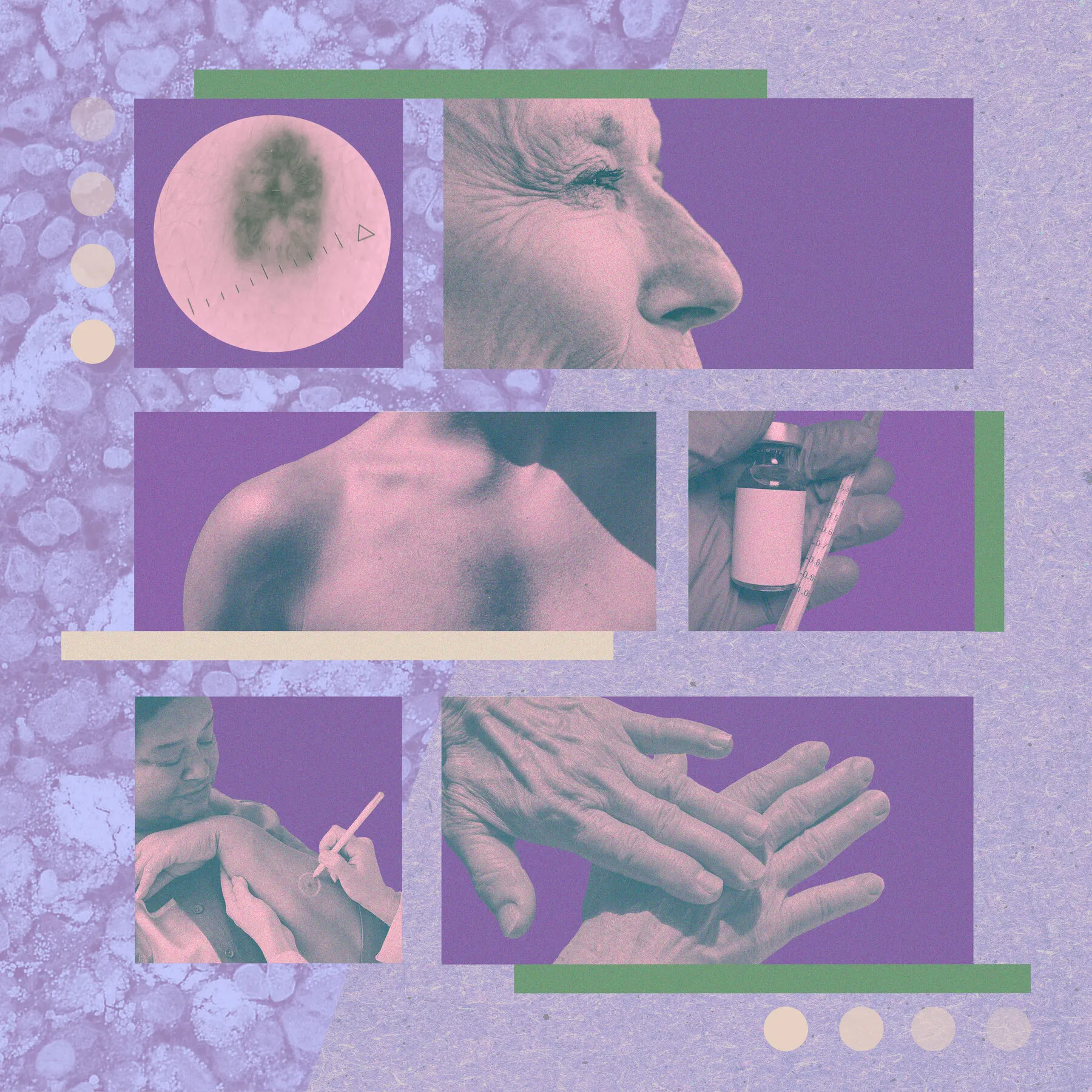
# Melanoma Vaccine Ushers in New Hope for Cancer Patients
A new generation of personalized cancer vaccines is changing how doctors treat melanoma, offering patients a fundamentally different approach than traditional chemotherapy or immunotherapy alone.
The breakthrough centers on combining cancer vaccines with checkpoint inhibitor drugs, a class of immunotherapy that removes the brakes cancer cells place on the immune system. Researchers have found that when patients receive a personalized vaccine tailored to their specific tumor's mutations, followed by immunotherapy, survival rates improve significantly compared to immunotherapy treatment alone.
The vaccine works by training the immune system to recognize and attack cancer cells based on unique mutations found in each patient's tumor. Doctors extract tumor tissue, sequence its DNA, identify the mutations most likely to trigger an immune response, and then create a vaccine targeting those specific abnormalities. This personalization addresses a fundamental limitation of one-size-fits-all cancer treatments: every tumor is different.
Recent clinical trials show the combined approach reduces the risk of melanoma recurrence or death by approximately one-third compared to checkpoint inhibitors alone. For melanoma patients, a cancer that kills over 7,000 Americans annually, this represents a meaningful advancement in preventing cancer from returning after surgery.
The research extends well beyond melanoma. Scientists are now investigating similar vaccine strategies for glioblastoma, the most aggressive brain tumor. Pancreatic cancer, one of the deadliest cancer types with a five-year survival rate under 12 percent, is also being explored. Early-stage trials are underway for colorectal and ovarian cancers.
The approach reflects a broader shift in oncology toward personalized medicine. Rather than treating cancer as a single disease requiring identical protocols, doctors increasingly tailor therapy to each patient's tumor biology. This strategy requires advanced genomics technology and coordination between labs, hospitals, and pharmaceutical companies, but the results justify the complexity.
Challenges remain. Manufacturing personalized vaccines takes time, typically several months, which may not suit patients with rapidly progressing disease. Cost represents another barrier, as these treatments are expensive and insurance coverage remains inconsistent. Researchers are working to streamline production timelines and reduce expenses.
The vaccine's success also depends on the patient's immune system. Elderly patients or those with compromised immunity may not respond as robustly. Researchers continue studying which patient populations benefit most and how to enhance response rates across diverse groups.
Despite these limitations, the convergence of personalized tumor sequencing, synthetic biology, and immunotherapy creates unprecedented opportunity. Patients no longer face a choice between accepting their prognosis or enduring harsh toxicity from traditional chemotherapy. They can access treatments designed specifically for their cancer's genetic makeup.
This represents the fulfillment of precision oncology's promise: using biology to outsmart cancer on its own terms. As vaccine platforms advance and researchers demonstrate efficacy across additional cancer types, treatment paradigms will continue evolving. The next decade may redefine what remission and survival look like for patients facing diagnoses once considered uniformly fatal.