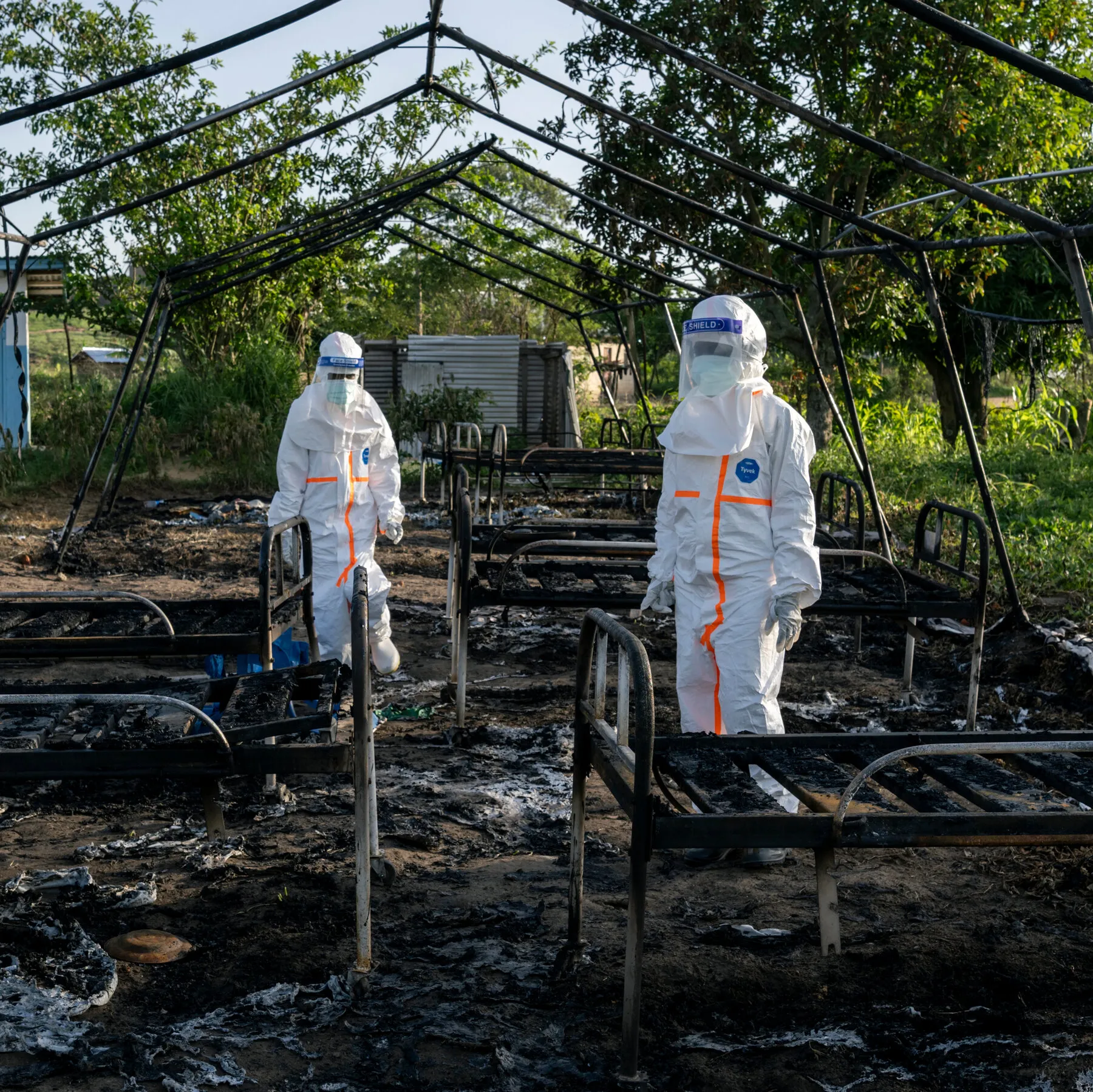
A mob of several hundred people stormed the gates of a treatment center in the Democratic Republic of Congo, demanding the body of a suspected Ebola victim as violence erupted when staff refused to release it. The incident reflects deep tensions between public health officials and communities affected by a rare Ebola strain outbreak in the region.
The confrontation highlights a persistent challenge in outbreak response: the collision between medical protocols and cultural or family practices around death and burial. In many communities across Congo, traditional funeral rites and rapid family access to deceased relatives hold profound cultural importance. Public health authorities, however, maintain strict protocols around handling Ebola victims to prevent transmission of the virus through direct contact with bodies, which remain highly contagious after death.
This outbreak involves a rare Ebola strain circulating in Congo, adding another layer of complexity to an already fraught public health situation. The Democratic Republic of Congo has experienced multiple Ebola outbreaks over the past decade, including the massive 2014-2016 West African epidemic that killed over 11,000 people. Each outbreak teaches health systems painful lessons about the need for community engagement and trust building alongside medical interventions.
The violence at the treatment center underscores how misinformation, fear, and cultural disconnects can undermine outbreak containment efforts. When communities distrust health institutions or feel their practices are being disrespected, they may resist isolation measures, refuse testing, or hide suspected cases. This behavior allows the virus to spread unchecked. Conversely, health workers face real physical danger when tensions escalate, as occurred in this incident.
Successful Ebola response requires sustained dialogue between health authorities and community leaders before crises occur. Programs that train local religious figures, traditional healers, and family elders to communicate accurate health information have shown results in previous outbreaks. These approaches acknowledge cultural values while explaining why modified burial practices protect families and communities from infection.
The burning of the treatment center also threatens ongoing outbreak response efforts. Facilities damaged by violence require time and resources to repair, disrupting care for affected patients and preventing new admissions. Staff safety concerns may also lead to reduced operations or personnel withdrawals, further compromising outbreak containment.
Congo's health system remains fragile after years of conflict and chronic underfunding. Outbreaks emerge in regions with limited access to hospitals, poor infrastructure, and communities with reasonable skepticism of government institutions that have historically neglected their health needs. Building genuine trust requires investment in local health systems, transparent communication about outbreak response, and respect for community perspectives on death and grief.
Moving forward, controlling this rare Ebola strain depends less on the technology of containment and more on the human work of relationship building. Health authorities and community members must find pathways forward that honor both medical necessity and cultural dignity. Without this balance, outbreaks spread faster and communities suffer deeper wounds.