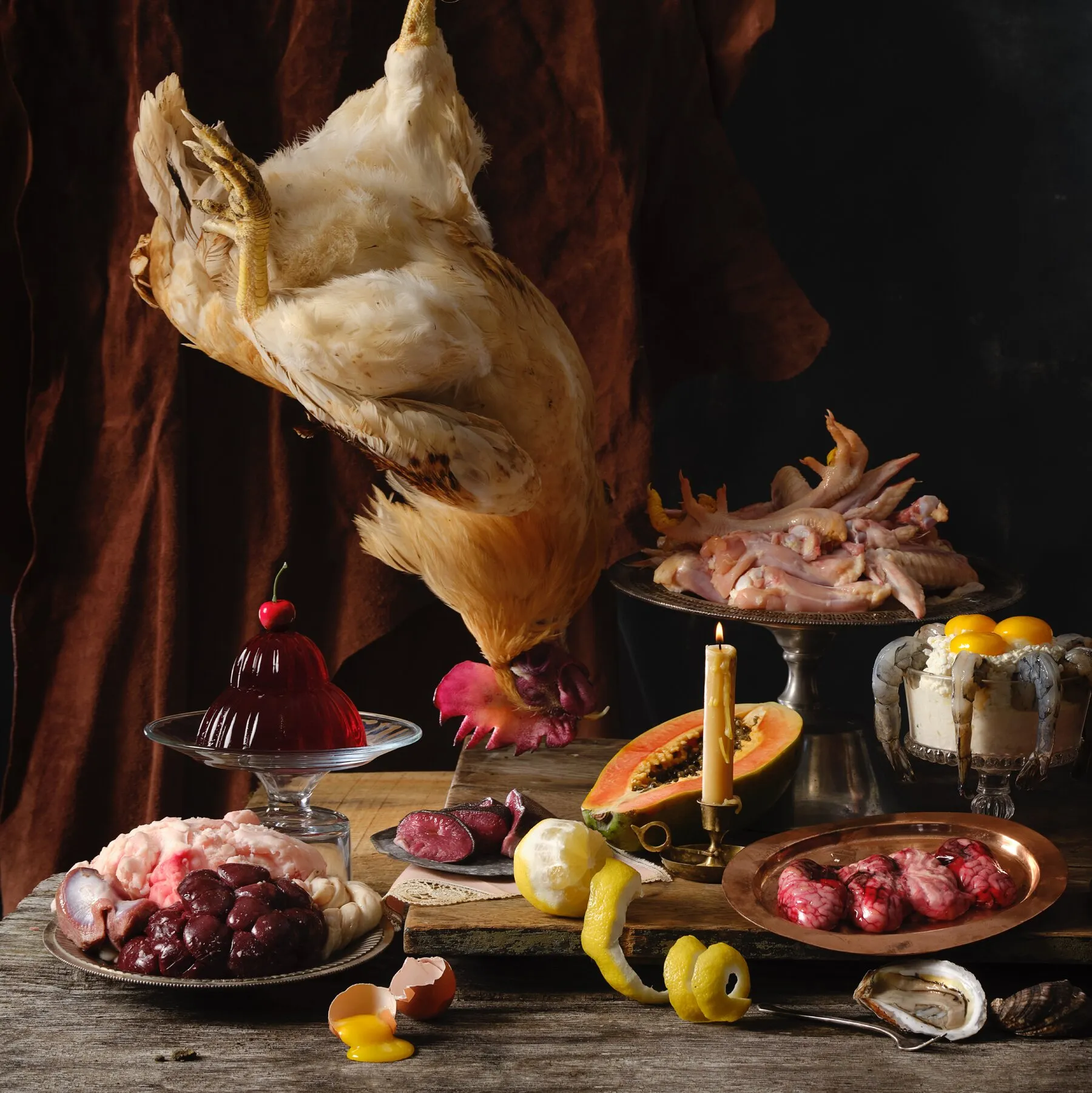
# Inside the World of 'Dark Nutrition': Why Americans Are Rejecting Conventional Dietary Advice
A growing number of Americans are abandoning mainstream nutritional guidance in favor of alternative dietary philosophies that operate outside the bounds of conventional nutrition science. This movement, often termed "dark nutrition," represents a significant cultural shift in how people think about food, health, and the institutions they've traditionally trusted.
The rejection of established dietary recommendations stems from multiple factors. Many people feel failed by decades of conflicting nutritional advice. The food pyramid became the MyPlate. Low-fat diets fell out of favor. Eggs cycled from dangerous to protective. This whiplash has eroded public confidence in official health institutions. When the U.S. Department of Agriculture and the American Heart Association have changed positions repeatedly, consumers reasonably question whether anyone truly understands nutrition.
Social media amplifies alternative dietary movements. Platforms like TikTok, Instagram, and YouTube allow practitioners without formal credentials to reach millions. People share personal testimonies about carnivore diets, elimination protocols, and supplement stacks. These narratives feel authentic and relatable in ways that peer-reviewed research often does not. The algorithmic feed rewards engagement over accuracy, creating echo chambers where fringe ideas gain mainstream visibility.
Financial incentives matter too. Supplement companies, wellness influencers, and alternative health practitioners profit from selling doubt about conventional nutrition. Someone selling an $80-per-month supplement program has stronger incentive to question established science than researchers publishing in journals generate no revenue. This commercial landscape rewards certainty and sensationalism over nuance.
The psychological appeal runs deep. Conventional nutrition science relies on probabilistic statements: eating vegetables reduces disease risk by X percent. This doesn't guarantee individual results. Alternative nutrition often makes absolute promises: this diet will heal you, this supplement will transform your body. People naturally gravitate toward certainty, even false certainty.
Legitimate scientific uncertainty also plays a role. Nutrition research remains genuinely difficult. Most studies rely on self-reported food intake, which is notoriously unreliable. Randomized controlled trials cost millions and take years. Observational studies show associations, not causation. Registered Dietitian Nutritionists and academic researchers know this complexity. They communicate carefully, using words like "associated with" and "may help." To audiences desperate for clear answers, this hedging reads as weakness.
The consequences matter. Some alternative dietary approaches cause real harm. Elimination diets can trigger disordered eating patterns. Certain supplement regimens interact dangerously with medications. Trusting unproven treatments instead of evidence-based medicine delays diagnosis of serious conditions. People spend thousands on ineffective interventions while neglecting basics like sleep, movement, and stress management that research repeatedly validates.
Yet dismissing everyone in the dark nutrition space as foolish misses something important. Some skepticism toward institutional nutrition advice is warranted. Conflicts of interest do exist within mainstream nutrition science, often funded by food companies. Individual variation in dietary response is real and under-researched. The bioindividuality that alternative practitioners emphasize reflects actual science, even if their specific recommendations often don't.
Moving forward requires rebuilding trust through transparency. Researchers need to communicate uncertainty honestly rather than presenting preliminary findings as fact. Media literacy around nutrition science must improve. People need to learn how to evaluate sources, understand study design limitations, and distinguish correlation from causation. Registered Dietitians should become more accessible and affordable, offering personalized guidance grounded in evidence rather than one-size-fits-all recommendations.
The solution isn't choosing between institutional nutrition and alternative practitioners. It's developing a more sophisticated public understanding of what nutrition science actually can and cannot tell us.