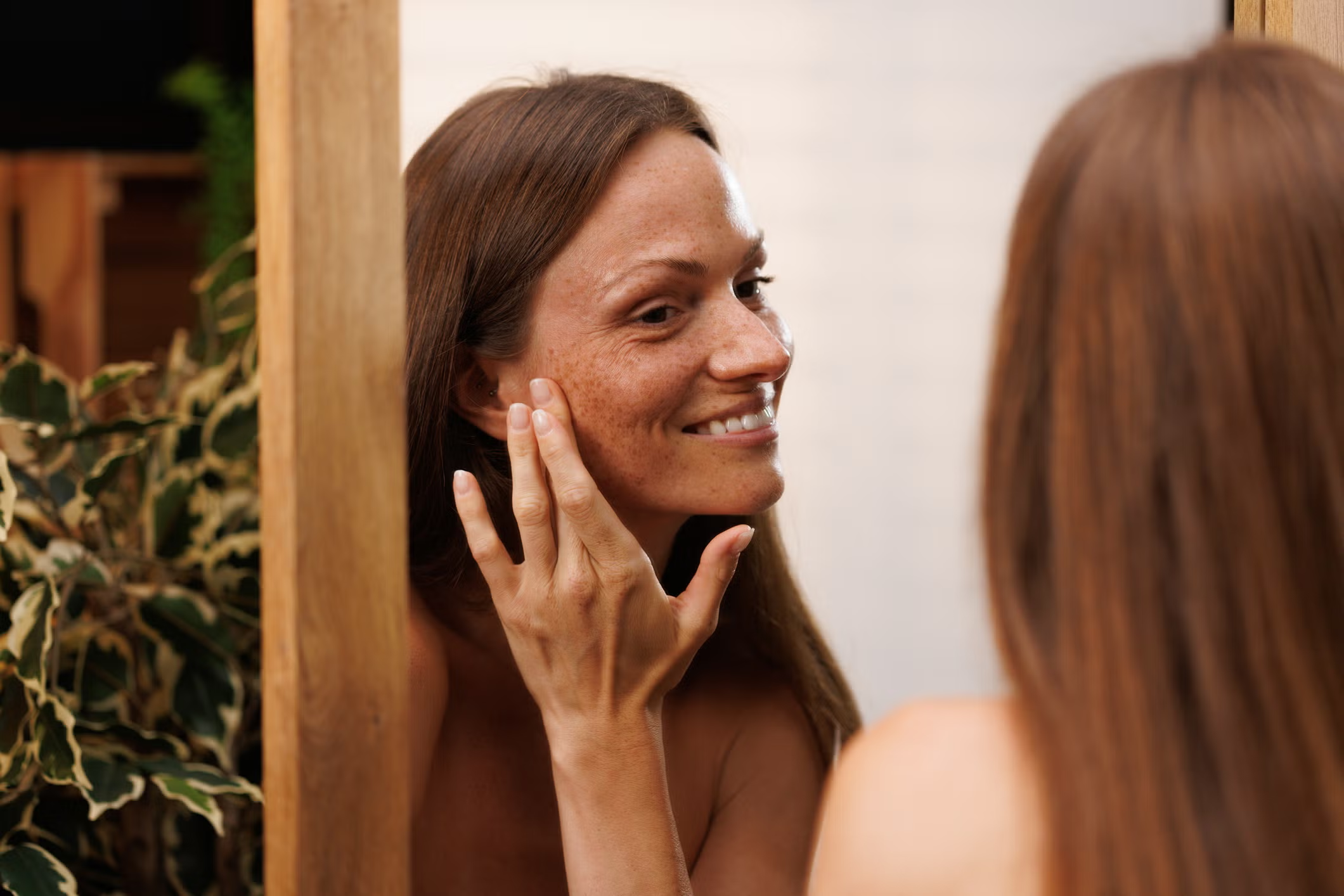
We've heard it a thousand times: wear your SPF. And yes, Mona Gohara, M.D., a board-certified dermatologist in Connecticut and an associate clinical professor of dermatology at Yale School of Medicine, confirms that daily broad-spectrum sunscreen with a minimum SPF of 30 is indeed the single best form of prevention against dark spots. But here's what most of us miss: sunscreen alone is incomplete armor. According to Dr. Gohara, dark spots are areas where extra melanin pigment accumulates, and while sun exposure is by far the biggest culprit, it's not the only player in this game. The research is clear—up to 80% of signs of aging come from unprotected sun exposure—but that statistic shouldn't lull us into thinking SPF is a cure-all.
The real strategy requires layering. Dr. Gohara explains that antioxidants like vitamin C work hand in hand with daily SPF to prevent and repair toxic free-radical damage. She specifically recommends using a vitamin C serum with L-ascorbic acid underneath your sunscreen, since SPF should be your last skincare step before makeup. Formulas that pair L-ascorbic acid with vitamin E and ferulic acid have evidence for reducing UV-induced skin damage, including dark spots. Additionally, niacinamide has been shown to help improve hyperpigmentation by reducing the transfer of pigment packets into surrounding surface skin cells. This isn't supplementary—it's essential.
But prevention is only half the battle. Hyperpigmentation happens for a multitude of reasons beyond UV exposure, including hormone fluctuations, acne, and skin injuries over time. Oral contraceptives and other forms of hormone therapy can trigger melasma in people with a genetic tendency toward it. Medications such as the antibiotic minocycline, the heart medication amiodarone, and some chemotherapy drugs can cause discoloration. A topical retinoid like tretinoin also makes your skin more prone to sun damage. This means anyone on these medications needs to be even more vigilant about sun protection.
Post-inflammatory hyperpigmentation deserves special attention. Darker skin tones are especially prone to PIH due to having more active melanin production, but anyone with sensitive skin can develop it. Dr. Gohara warns against common skincare mistakes like picking at your skin or going overboard with potentially irritating active ingredients. Stinging, peeling, and irritation from aggressive treatments can create the very marks you're trying to prevent.
For existing dark spots, prescription-strength tretinoin and hydroquinone are among the best-established options, though hydroquinone should be used with dermatologist guidance. Chemical exfoliators like glycolic, lactic, and azelaic acid can help gradually fade surface discoloration. The takeaway? Start early with consistent sun protection and antioxidants, be gentle with your skin, and consult your dermatologist if spots change or new pigmentation appears unexpectedly.