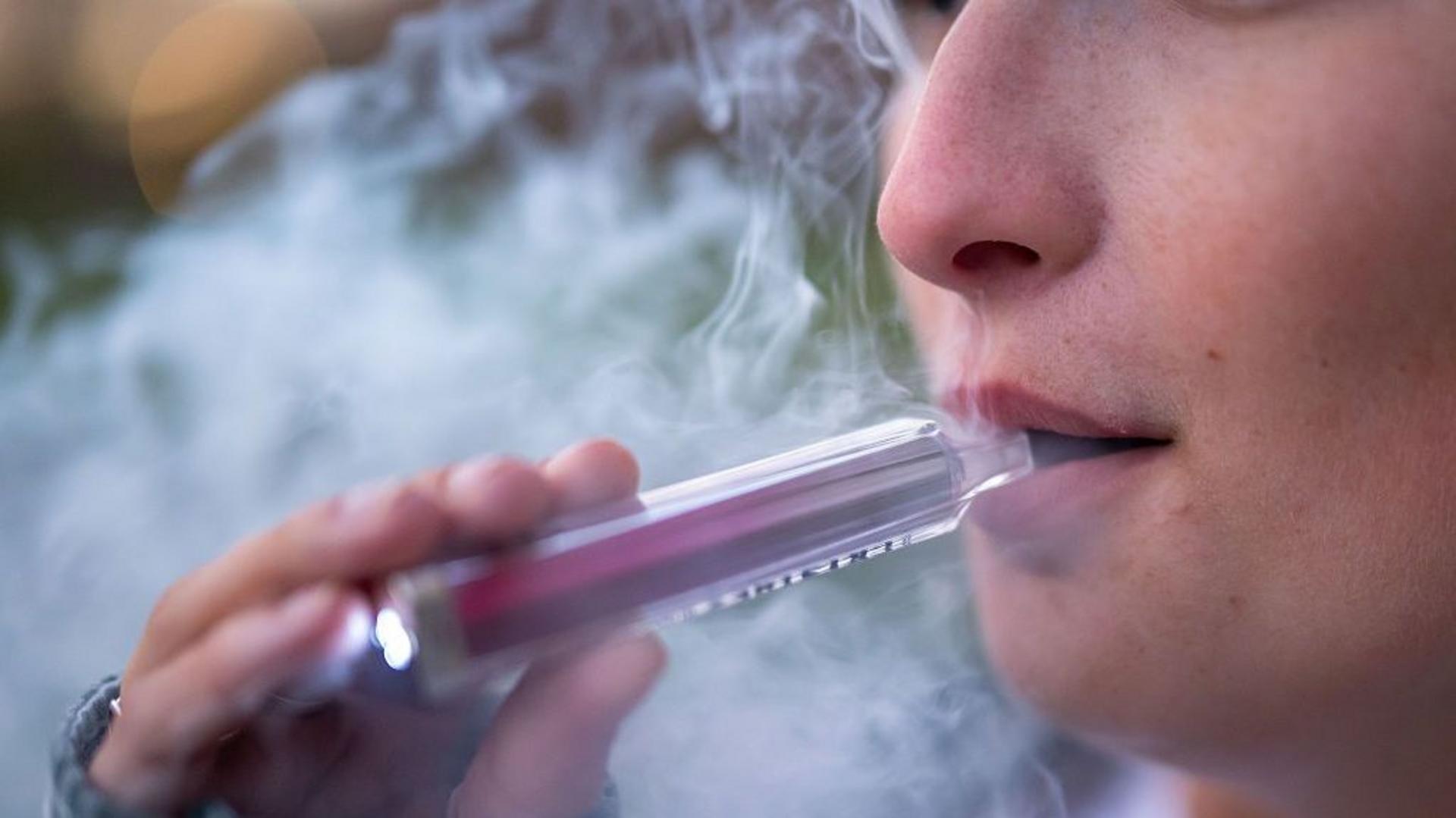
More than one million people in the UK who have never smoked now vape, according to Office for National Statistics survey data, and that number has risen year-on-year. Vaping was originally marketed as a tool to help smokers quit cigarettes, but non-smokers are increasingly taking up the habit.
Gracey Mungulu, now 21, resisted vaping initially but started at age 16 after seeing it become common among classmates. She now buys a refillable vape daily, spending £35 per week. She uses it as a "mindless action" to manage social anxiety, finding comfort in the hand-to-mouth motion and having something to hold.
GP Dr Helen Wall explains that patients often describe vaping as psychological dependence on something to regulate emotions. Malin Andersson, 33, started vaping during a stressful break-up and described it as "a dopamine hit" and "literally an adult's version of a dummy." She quit in May after becoming frustrated with her constant reliance on her vape.
Alex, 26, developed a habit starting from occasional social vaping that became a constant presence in her daily life. When she quit vaping while traveling, she began smoking cigarettes instead, which experts do not recommend.
Prof Sarah Jackson from University College London's Alcohol and Tobacco Research Group notes that a 2024 UCL study found nicotine use had risen among young adults in England while cigarette smoking declined. She suggests some vapers may have otherwise become smokers, though others face increased risk from vaping who would not have smoked.
Nearly one in six people aged 25-34 in the UK may use e-cigarettes daily or occasionally, the ONS report shows. About 5.4 million people aged 16 and over vape in Britain, while 4.9 million adults smoke.
The NHS warns non-smokers and those aged 17 and under never to vape. The long-term effects of vaping remain unclear, though it is less harmful than cigarettes. A recent survey found fewer than half (45%) of healthcare providers in England offered vaping cessation support.