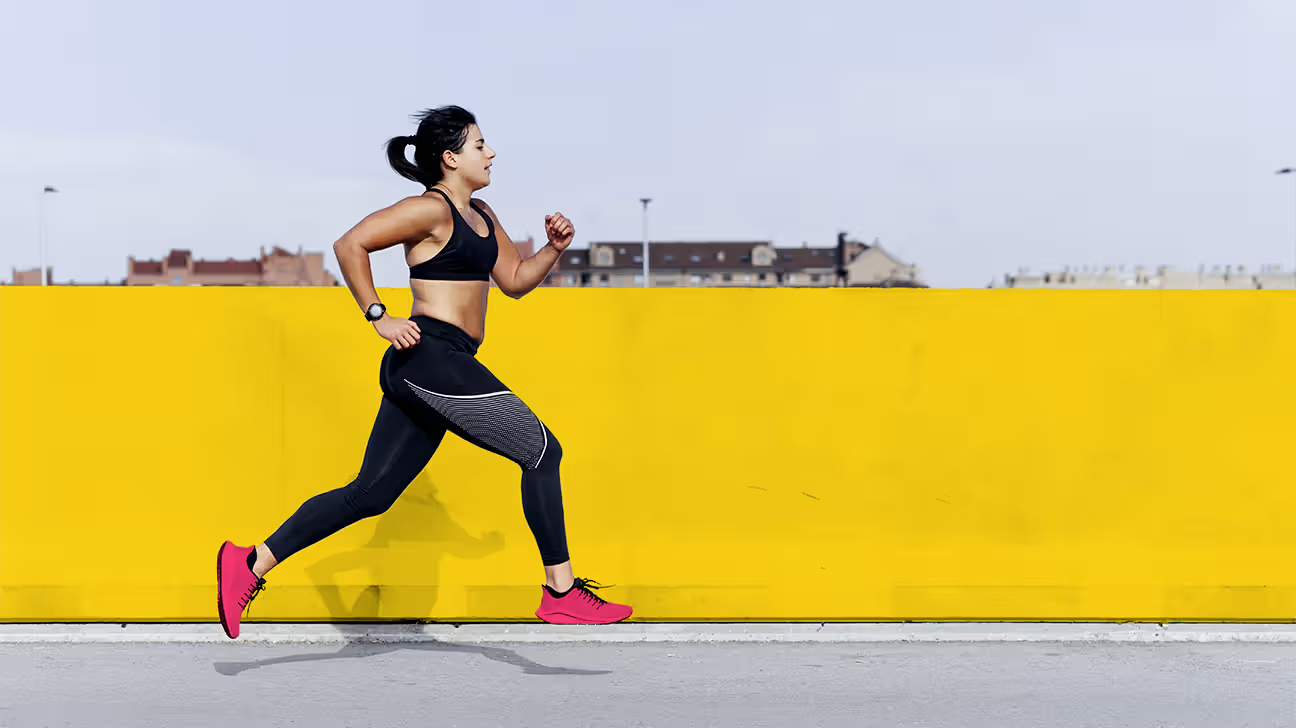
Side stitches, medically called exercise-related transient abdominal pain (ETAP), affect up to 70% of runners each year. Scientists have not reached consensus on the exact cause, but researchers think several factors may contribute.
A 2022 review suggests that side stitches may result from your right foot hitting the ground while you breathe out, which could irritate the phrenic nerve and bother the lining of your abdomen, particularly on the lower right side. Since most people are right-foot dominant, this may explain why stitches more commonly occur on the right side. Experts also theorize that increased blood flow around the diaphragm during running could trigger the pain. Poor posture may play a role as well, according to older research from 2010.
Large meals or beverages consumed shortly before running may increase risk, though experts remain uncertain about the mechanism.
When a side stitch strikes, slowing down provides immediate relief. You can stretch by raising your arms overhead, leaning to the opposite side, and breathing deeply. Applying gentle pressure to the cramped area while breathing deeply may also help.
Prevention strategies include practicing mindful breathing during exercise. A 2022 review found that slower breathing during exercise might reduce stress and increase pleasant feelings, though the study did not specifically mention side stitches. Research from 2014 suggests building core strength and abdominal muscles may help prevent stitches. Avoid large meals or beverages a couple of hours before running, maintain proper posture, stay hydrated, and gradually increase your running speed rather than starting with a sprint.
Seek medical attention if you experience pain under your breastbone with difficulty breathing, persistent pain after running, or severe stomach pain, as these may indicate more serious conditions.