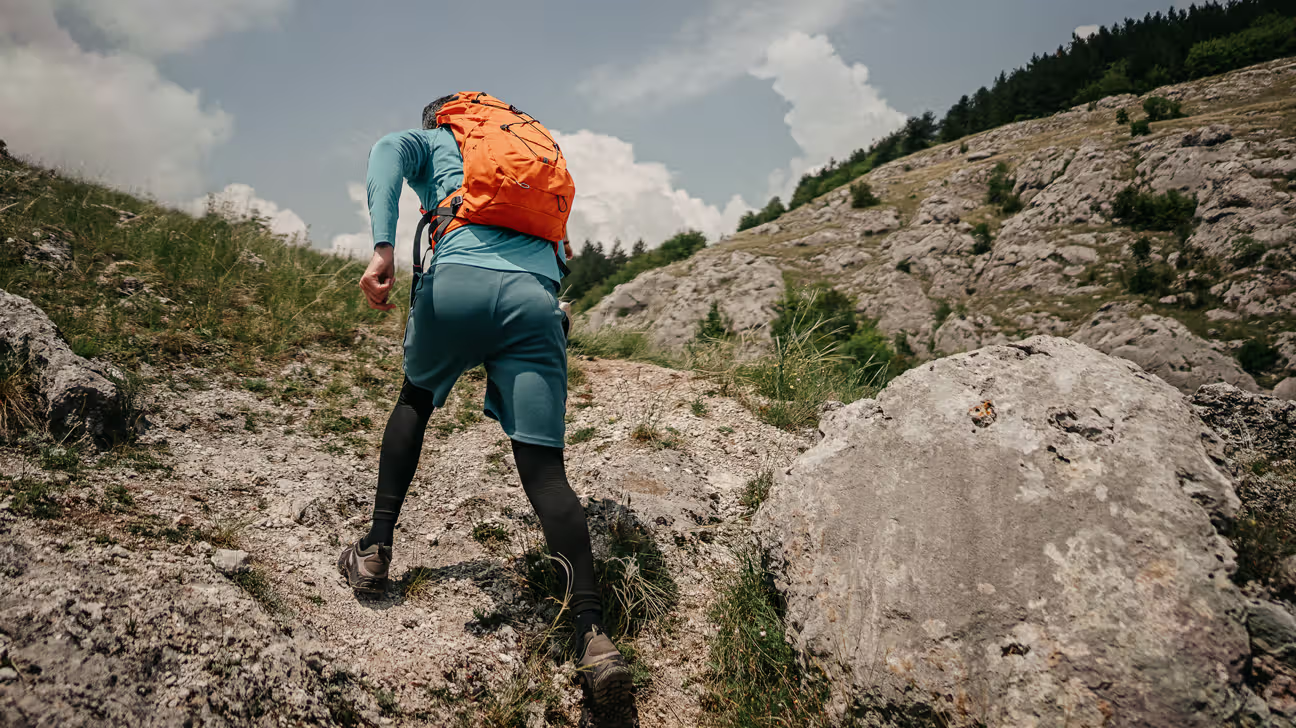
Rucking, which involves walking with a weighted backpack, combines resistance training with cardiovascular exercise to build strength and endurance while burning calories. The practice originated in the military and has become a civilian fitness option.
Beginners should start with a backpack weighing 10 to 15 percent of their body weight, keeping shoulders back and core engaged while maintaining steady pace. Weight and distance should increase gradually as fitness improves.
The workout targets legs, back, and core muscles. It also improves posture and core stability, which can help combat postural changes from pregnancy and daily activities like lifting groceries or carrying children.
Rucking requires no gym membership or special equipment beyond a sturdy backpack with padded straps. People can ruck anywhere while doing other activities, such as walking a dog or pushing a stroller, making it accessible and time-efficient for busy schedules.
Safety practices include warming up and cooling down, staying hydrated, wearing supportive footwear, listening to your body for pain or discomfort, and being mindful of terrain. Heavier weights can affect balance and increase injury risk, so progression should be gradual.