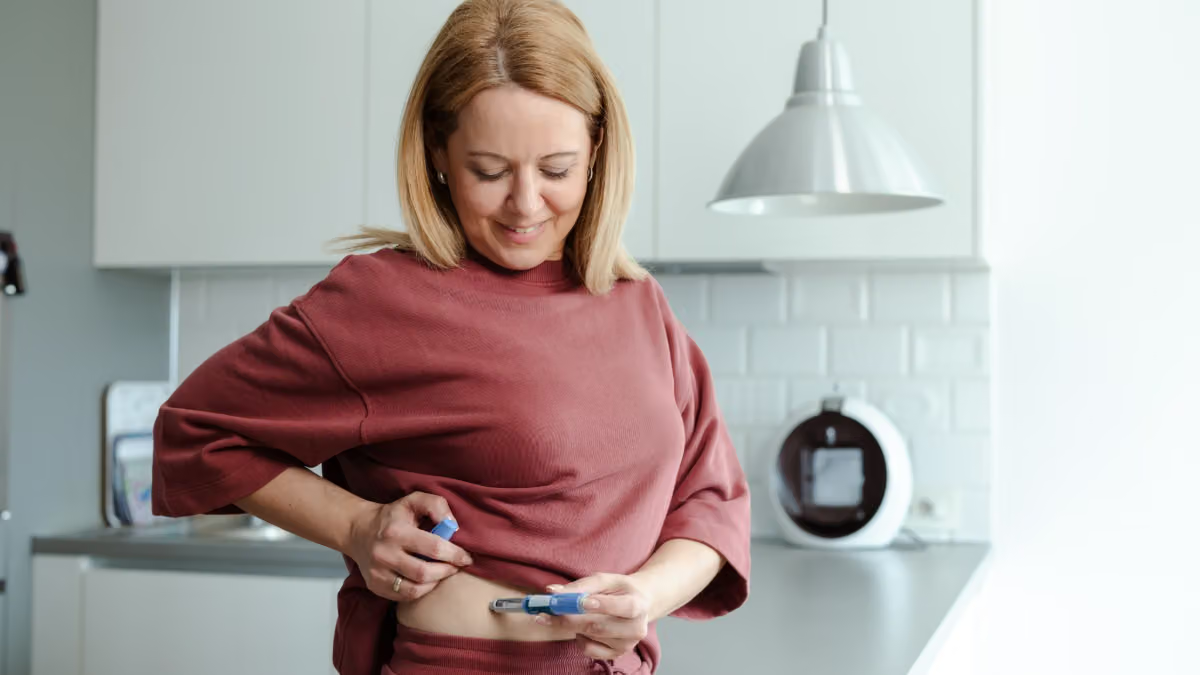
Researchers presenting findings at the American Heart Association Scientific Sessions 2026 found that GLP-1 medications appear more effective than metformin for treating prediabetes in people with obesity.
The study analyzed medical records of 256,000 adults with prediabetes and obesity in the United States. About 76% were women with an average age of 52. Half took GLP-1 drugs containing semaglutide, tirzepatide, liraglutide, or dulaglutide. The other half took metformin.
People taking GLP-1 drugs had a 1.5 times higher chance of reversing high blood sugar to healthy levels compared to metformin users. GLP-1 users also showed a 31% lower risk of developing type 2 diabetes and 41% lower risk of death from any cause. The medications were associated with 15% fewer heart attacks, 20% fewer strokes, 25% fewer cases of heart failure, and 8% fewer cases of atrial fibrillation.
Vinicius de Sousa Barzon Serra, MD, a study author and research fellow in cardiovascular medicine at Mayo Clinic in Scottsdale, Arizona, stated, "This research may add to the case for considering GLP-1 medications earlier for certain patients, rather than waiting until they develop type 2 diabetes."
Serra emphasized that metformin remains effective and framed the findings as expanding options rather than replacing existing treatment. "This is less about replacing one medication with another and more about discussing additional options with specific patients," he said.
David Cutler, MD, a family medicine physician at Providence Saint John's Health Center in Santa Monica, California, called the findings "quite impressive" and said they elevate comfort in prescribing GLP-1 drugs as front-line treatment.
Robert Eckel, MD, former president of the American Heart Association and an endocrinologist at the University of Colorado School of Medicine, noted that costs and access to GLP-1 medications remain important factors despite the positive outcomes.
The researchers noted their study is observational and cannot prove cause-and-effect relationships. They also relied on prescription records without data on medication frequency or dosage, and grouped all GLP-1 drugs together without examining individual differences between medications. The research has not yet been published in a peer-reviewed journal.