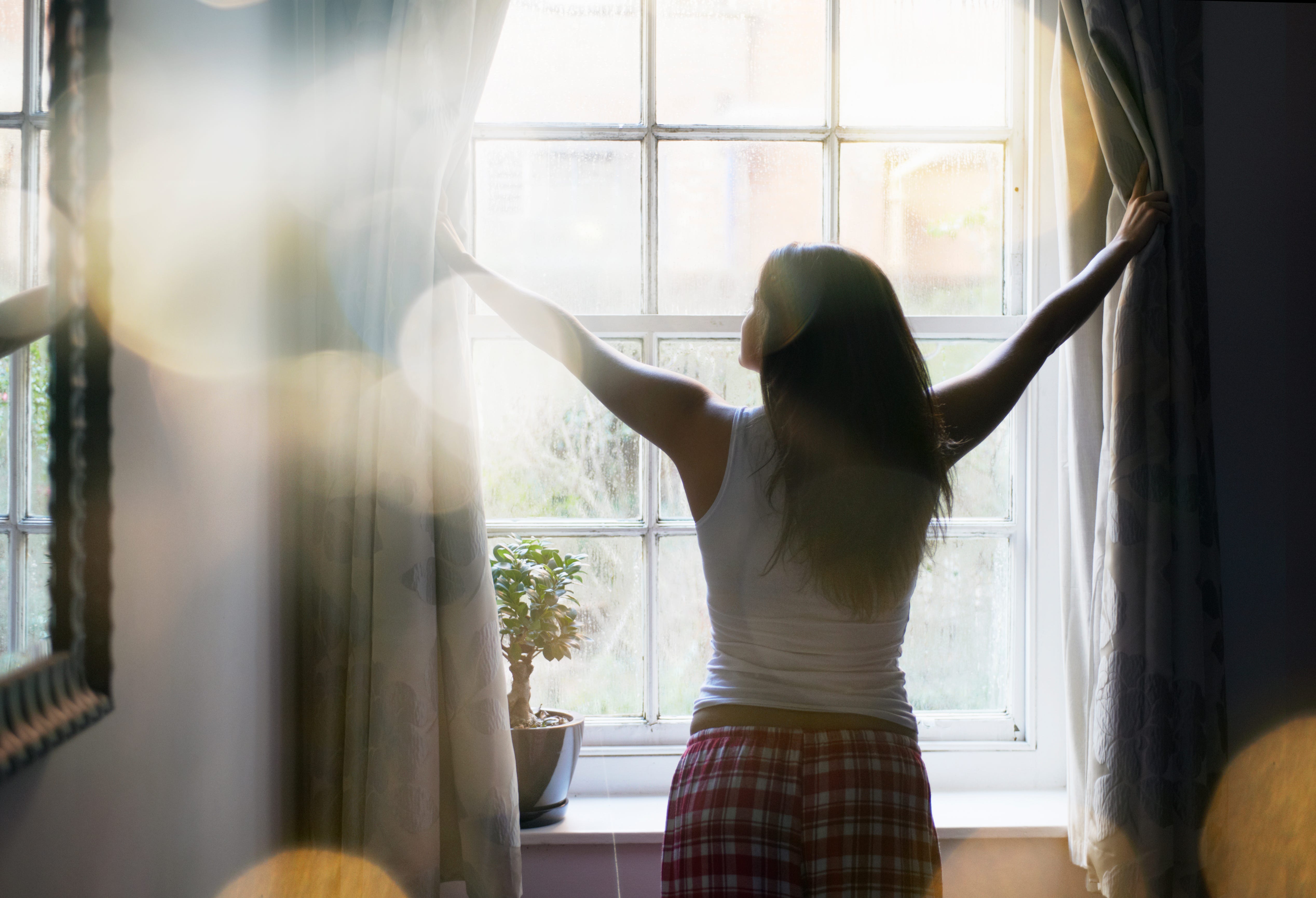
A study tracking nearly 90,000 dementia-free participants found that people exposed to at least 0.7 hours (about 42 minutes) of bright daylight per day were roughly 17% less likely to develop dementia over an eight-year follow-up period compared to those receiving less daylight. Researchers measured daytime light exposure using wrist trackers and confirmed the link held even after accounting for physical activity, diet, obesity, and cardiovascular health.
David Perlmutter, M.D., a board-certified neurologist, explains that light exposure activates the brain's master circadian clock, which coordinates sleep-wake cycles, hormonal signaling, and metabolism. When circadian rhythms are properly synchronized, the brain receives more restorative sleep, during which it removes metabolic waste and manages inflammation. Disrupted circadian rhythms may alter how the brain's immune cells, called microglia, respond to environmental signals.
The study found that vitamin D levels did not affect the results, suggesting the benefits of daylight exposure involve more than vitamin D production. The protective effect appeared particularly strong among individuals carrying the APOE4 gene variant, which increases Alzheimer's disease risk.
Dr. Perlmutter recommends making outdoor light exposure intentional, ideally in the morning to synchronize your internal clock. As winter daylight shortens, he suggests scheduling outdoor activities during available daylight hours and taking outdoor breaks during the workday. Light therapy lamps may help if outdoor light is unavailable, though he notes there is no evidence these devices can prevent dementia. He cautions against interpreting the 42-minute figure as a "magical cutoff" and warns against excessive ultraviolet exposure.
As an observational study, the research identified associations between light exposure and dementia risk but cannot prove cause and effect. Wrist-worn devices may not accurately reflect long-term exposure or the amount of light reaching the eyes. Dr. Perlmutter emphasizes that light exposure works alongside other protective factors including regular exercise, diverse nutrition, quality sleep, social connection, and avoiding smoking.